15 Best Fruits And Vegetables For Thick Hair Naturally
By: Priyanka Maheshwari Thu, 15 Oct 2026 9:45:50
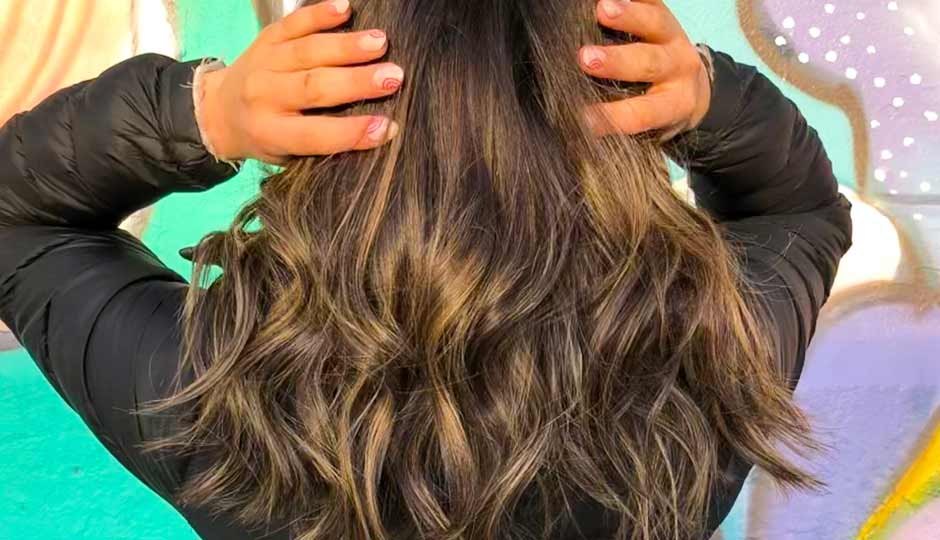
Thick, healthy, and voluminous hair is something many people desire. However, factors such as nutritional deficiencies, stress, hormonal changes, genetics, ageing, and improper hair care can contribute to hair thinning, hair fall, and reduced hair density. While shampoos, oils, and hair masks can help maintain the appearance of your hair, a balanced, nutrient-rich diet is essential for supporting healthy hair growth from within.
Including the right fruits and vegetables in your daily diet can help provide essential nutrients such as vitamins A, C, and E, folate, iron, and antioxidants. These nutrients support scalp health, help protect hair follicles from oxidative stress, and contribute to the normal production of keratin, the protein that makes up hair.
If you want to improve your hair's thickness naturally, adding nutrient-rich foods to your meals is a practical place to start. From vitamin C-rich oranges to iron-containing spinach and antioxidant-rich berries, several fruits and vegetables can support healthy hair when consumed as part of a balanced diet.
Here are 15 of the best fruits and vegetables to include in your diet for thicker, stronger, and healthier-looking hair.
1. Carrots
Carrots are rich in beta-carotene, which the body converts into vitamin A. Vitamin A helps maintain normal skin and supports the health of the scalp.
Benefits for hair:
- Supports normal scalp skin health.
- Helps maintain the body's normal production of sebum, which lubricates the scalp and hair.
- Provides antioxidants that support overall cellular health.
How to eat: Add grated carrots to salads, blend them into smoothies, or enjoy steamed carrots as part of lunch or dinner.
2. Oranges
Oranges are excellent sources of vitamin C, which plays an important role in collagen production and helps the body absorb iron from plant-based foods. Both are relevant to maintaining healthy hair.
Benefits for hair:
- Helps improve iron absorption from foods such as spinach and lentils.
- Supports collagen formation.
- Supplies antioxidants that help protect cells from oxidative stress.
How to eat: Enjoy one whole orange as a snack or add orange segments to a fruit bowl. Whole fruit is generally preferable to juice because it contains more fibre.
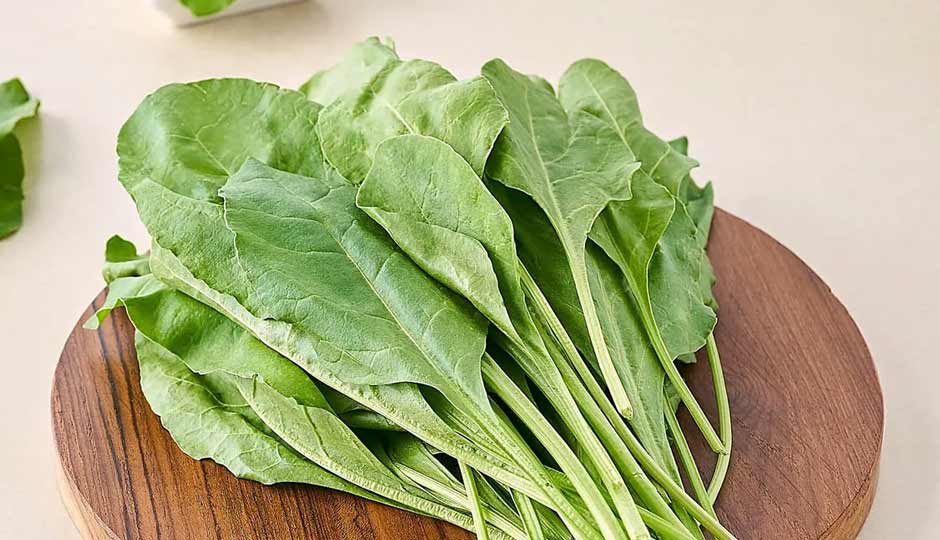
3. Spinach
Spinach is one of the most useful leafy vegetables to include in a hair-friendly diet. It provides folate, iron, vitamin C, and beta-carotene. Iron is particularly important because iron deficiency can contribute to hair loss.
Benefits for hair:
- Supplies iron needed for normal red blood cell production.
- Provides folate, which supports normal cell division.
- Contains vitamin C and carotenoids that contribute to overall nutritional health.
How to eat: Prepare spinach dal, lightly cooked saag, vegetable soups, or spinach-based curries. Pair it with lemon juice or another vitamin C-rich food to improve non-haem iron absorption.
4. Strawberries
Strawberries contain vitamin C and antioxidants. Vitamin C helps the body produce collagen and absorb iron from plant foods, making strawberries a useful addition to a balanced diet.
Benefits for hair:
- Supports collagen production.
- Helps the body absorb dietary iron.
- Provides antioxidants that protect cells from oxidative damage.
How to eat: Add fresh strawberries to yoghurt, oatmeal, or smoothies. Choose whole strawberries rather than sweetened strawberry drinks.
5. Avocados
Avocados provide vitamin E, folate, fibre, and unsaturated fats. These nutrients help support overall health and make avocados a nutritious addition to meals.
Benefits for hair:
- Provides vitamin E, which acts as an antioxidant.
- Supplies healthy fats that help meet the body's energy needs.
- Contributes folate to a balanced diet.
How to eat: Add sliced avocado to toast and salads, or blend a small portion into a smoothie without adding excessive sugar.
6. Guava
Guava is a particularly good vitamin C-rich fruit and is widely available in India. Vitamin C helps with iron absorption and collagen formation, both of which are important for normal body function.
Benefits for hair:
- Helps the body absorb iron from plant-based meals.
- Supports collagen production.
- Provides fibre and antioxidants.
How to eat: Enjoy a fresh guava as a mid-morning snack or add chopped guava to a fruit salad. Wash it thoroughly before eating.
7. Sweet Potatoes
Sweet potatoes are rich in beta-carotene, which the body converts into vitamin A as needed. Adequate vitamin A is essential for normal skin health, including the skin of the scalp.
Benefits for hair:
- Supports normal scalp skin maintenance.
- Supplies carbohydrates for energy.
- Provides fibre and antioxidant compounds.
How to eat: Bake, steam, or roast sweet potatoes. Avoid relying on high-dose vitamin A supplements for hair growth, as excessive vitamin A can actually cause hair loss.
8. Papaya
Papaya provides vitamin C, beta-carotene, and other beneficial plant compounds. It is an easy fruit to include in a regular diet, especially in warmer climates.
Benefits for hair:
- Provides vitamin C for collagen production and iron absorption.
- Supplies beta-carotene, a precursor to vitamin A.
- Contributes antioxidants and dietary fibre.
How to eat: Eat fresh papaya at breakfast or as an afternoon snack. Combine it with nuts or plain yoghurt for a more filling option.
9. Pomegranate
Pomegranate contains polyphenols and other antioxidant compounds. Although direct evidence that pomegranate increases hair thickness is limited, it can contribute to a varied, nutrient-rich diet.
Benefits for hair:
- Provides antioxidant plant compounds.
- Supplies fibre when the seeds are eaten whole.
- Adds variety to a balanced diet that supports general health.
How to eat: Sprinkle the seeds over salads, mix them into yoghurt, or eat them on their own instead of drinking large quantities of juice.
10. Berries
Blueberries, blackberries, and raspberries provide vitamin C, fibre, and various antioxidant compounds. They can help you meet your daily fruit requirements while supporting overall nutritional health.
Benefits for hair:
- Supplies vitamin C that helps the body absorb plant-based iron.
- Provides antioxidants.
- Adds fibre and variety to everyday meals.
How to eat: Add a handful of fresh or frozen berries to porridge, smoothies, or plain yoghurt. No special berry variety has been proven to make hair grow thicker on its own.
11. Broccoli
Broccoli provides vitamin C, folate, fibre, and several other nutrients. Its vitamin C content makes it a helpful vegetable to pair with iron-containing plant foods.
Benefits for hair:
- Supports collagen formation through vitamin C.
- Helps improve iron absorption when eaten alongside plant-based iron sources.
- Provides folate for normal cell division.
How to eat: Steam broccoli lightly, add it to stir-fries, or include it in vegetable soups. Avoid overcooking it if you want to preserve more of its vitamin C.
12. Bell Peppers
Red and yellow bell peppers are rich in vitamin C. They are especially useful for people who eat mostly plant-based meals because vitamin C improves the absorption of non-haem iron.
Benefits for hair:
- Supports normal collagen production.
- Helps the body absorb iron from foods such as beans and leafy greens.
- Supplies antioxidants and other essential nutrients.
How to eat: Add chopped bell peppers to salads, vegetable pulao, sandwiches, or stir-fries. Pair them with lentils, chickpeas, or beans for a balanced meal.
13. Green Peas
Green peas provide plant-based protein, folate, fibre, and some iron. Protein is particularly important because hair is primarily made of keratin, a structural protein.
Benefits for hair:
- Contributes protein to help meet daily nutritional needs.
- Supplies folate and other nutrients involved in normal cell function.
- Adds plant-based iron to the diet.
How to eat: Include peas in vegetable curries, pulao, soups, or mixed-vegetable dishes. Combine them with other protein sources such as lentils, dairy, eggs, tofu, or beans according to your dietary preference.
14. Beetroot
Beetroot contains folate, fibre, and beneficial plant pigments. While it is often promoted as a hair-growth food, there is limited evidence that eating beetroot directly increases hair thickness.
Benefits for hair:
- Supplies folate for normal cell function.
- Contributes fibre and dietary variety.
- Can be part of a balanced diet that includes adequate iron and protein.
How to eat: Enjoy boiled beetroot in salads, grate it into vegetable dishes, or add it to homemade soups. Remember that beetroot itself is not a substitute for treating iron deficiency.
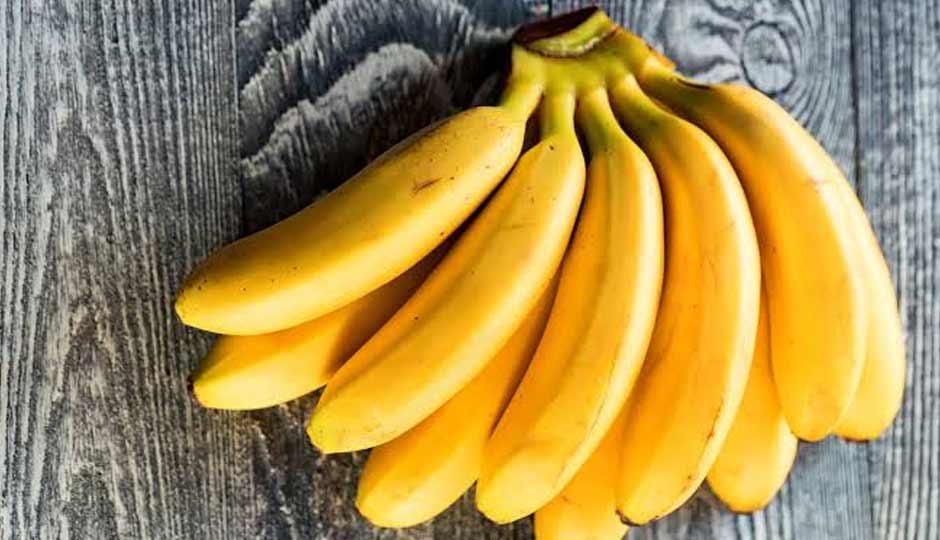
15. Bananas
Bananas provide carbohydrates, vitamin B6, potassium, and fibre. They are a convenient source of energy and can help make a balanced breakfast or snack more satisfying.
Benefits for hair:
- Supplies vitamin B6, which supports normal protein metabolism.
- Provides energy to support the body's daily needs.
- Makes it easier to add fruit to a regular eating routine.
How to eat: Eat a banana with nuts, milk, yoghurt, or oats. Pairing fruit with protein and healthy fats makes a more balanced snack than eating fruit alone.