- Home›
- Healthy Living›
- 15 Detailed Health Benefits Of Palak (Spinach)
15 Detailed Health Benefits Of Palak (Spinach)
By: Priyanka Maheshwari Thu, 15 Oct 2026 9:45:42
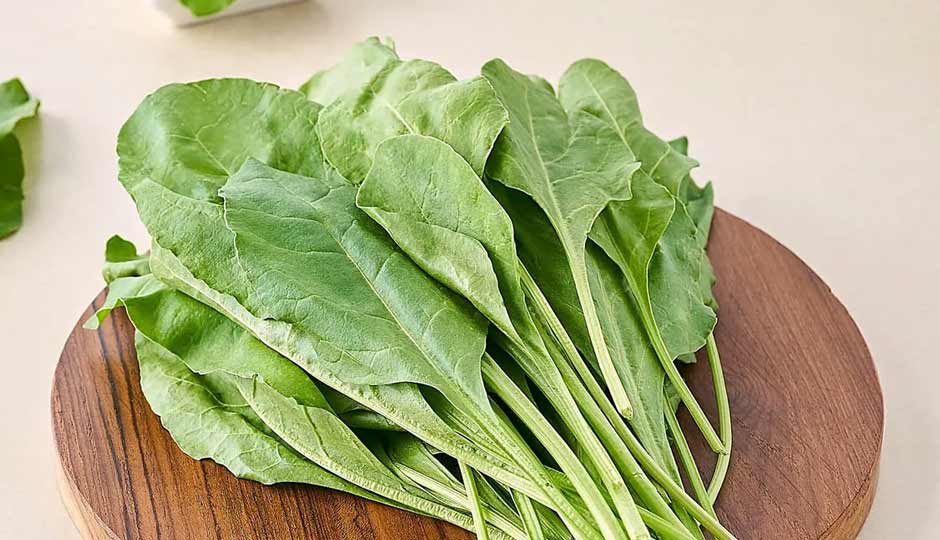
Palak, commonly known as spinach, is one of the most nutritious green leafy vegetables and an essential part of a healthy diet. Widely used in Indian cuisine, palak is a versatile vegetable that can be enjoyed in salads, soups, smoothies, curries, dals, and traditional dishes such as palak paneer. It is valued for its rich nutritional profile, which includes vitamins, minerals, antioxidants, dietary fibre, and plant-based compounds that support overall health.
Spinach is particularly rich in vitamin K, vitamin A precursors, folate, vitamin C, and minerals such as iron and magnesium. It also contains lutein and zeaxanthin, two antioxidants that are important for eye health. Regularly including palak in a balanced diet may help support heart health, digestion, healthy bones, immunity, and normal blood function.
Another important advantage of palak is that it is low in calories while providing several essential nutrients. This makes it a useful addition to meals for people who want to maintain a healthy weight without compromising nutritional quality. However, spinach also contains oxalates, which can affect mineral absorption and may be a concern for people prone to certain types of kidney stones.
Let's explore the 15 major health benefits of palak and understand why this leafy green deserves a place in your daily diet.
1. Supports Healthy Blood Formation
One of the best-known health benefits of palak is its contribution to normal blood formation. Spinach contains iron and folate, two nutrients that play important roles in producing healthy red blood cells.
Iron is required to make haemoglobin, the protein in red blood cells that carries oxygen throughout the body. Folate, also known as vitamin B9, supports the production and development of red blood cells.
Including palak in your meals can help contribute to your daily intake of these nutrients. However, the iron in spinach is non-haem iron, which the body absorbs less efficiently than the iron found in animal foods.
How to get the benefit: Combine cooked palak with vitamin C-rich foods such as lemon, tomatoes, or amla to improve the absorption of plant-based iron.
Important: Palak alone may not correct iron-deficiency anaemia. If you experience persistent fatigue, weakness, dizziness, or breathlessness, consult a healthcare professional and consider appropriate blood tests.
2. Promotes Healthy Eyesight
Palak is an excellent vegetable to include in a diet that supports eye health. It contains lutein, zeaxanthin, and beta-carotene, which contribute to maintaining healthy vision.
Lutein and zeaxanthin are carotenoids that accumulate in the retina, particularly in the macula. They help filter some high-energy blue light and protect eye tissues against oxidative stress. Beta-carotene is converted into vitamin A in the body, and vitamin A is essential for normal vision, especially in low-light conditions.
Regularly eating spinach alongside other colourful vegetables may help you obtain a wider range of nutrients needed for healthy eyes.
How to get the benefit: Add lightly cooked palak to dals, vegetable curries, or omelettes. Eating spinach with a small amount of healthy fat, such as olive oil, may help the body absorb its fat-soluble carotenoids.
3. Helps Strengthen Bones
Another important health benefit of palak is its contribution to bone health. Spinach is particularly rich in vitamin K, a nutrient involved in the production of proteins that regulate normal bone metabolism.
Vitamin K helps activate osteocalcin, a protein involved in binding calcium within bone tissue. Spinach also provides magnesium, which contributes to maintaining healthy bones and normal muscle function.
Although palak contains calcium, its high oxalate content reduces how much calcium the body can absorb from it. Therefore, spinach should not be considered the primary dietary source of calcium.
How to get the benefit: Include palak as part of a varied diet containing calcium-rich foods such as milk, yoghurt, calcium-fortified alternatives, or other suitable sources.
Note: People taking warfarin or certain other vitamin K-sensitive anticoagulants should maintain a consistent intake of vitamin K-rich foods and discuss major dietary changes with their healthcare provider.
4. Supports Heart Health
Palak contains several nutrients that contribute to normal cardiovascular function, including potassium, magnesium, folate, and dietary nitrates.
Potassium helps regulate fluid balance and supports normal blood pressure. Magnesium contributes to normal muscle and nerve function, including the function of the heart muscle. Naturally occurring nitrates in leafy vegetables may also help the body produce nitric oxide, which supports blood vessel relaxation and healthy blood flow.
In addition, spinach contains antioxidants that help protect cells against oxidative stress.
Eating palak as part of a diet rich in vegetables, fruits, whole grains, and legumes can support overall cardiovascular health. However, spinach is not a substitute for prescribed treatment for high blood pressure or heart disease.
How to get the benefit: Prepare palak with moderate amounts of oil and salt, and combine it with whole grains, beans, or other vegetables for a balanced meal.
5. Aids Healthy Digestion
Palak provides dietary fibre and water, both of which support normal digestive function. Fibre helps add bulk to stool and can promote regular bowel movements when consumed as part of a fibre-rich diet.
Adequate fibre intake is also associated with a healthier gut environment because certain types of dietary fibre can be used by beneficial gut bacteria.
Adding spinach to meals can therefore help increase your overall vegetable and fibre intake. However, palak is only one contributor to digestive health; eating a variety of vegetables, fruits, pulses, and whole grains is important.
How to get the benefit: Add cooked palak to moong dal, vegetable soups, khichdi, or whole-grain dishes. Increase fibre intake gradually and drink enough water to help your digestive system adjust.
6. Helps Support the Immune System
Palak contains nutrients that are important for the normal functioning of the immune system, including vitamin C, vitamin A precursors, folate, and iron.
Vitamin C supports various cellular functions involved in immune defence and helps protect cells from oxidative damage. Vitamin A is important for maintaining the health of the skin and the lining of the respiratory and digestive tracts, which act as barriers against harmful organisms.
Folate and iron also contribute to normal cell development and immune function.
Eating palak regularly can help provide these nutrients, but no single food can prevent all infections or guarantee stronger immunity.
How to get the benefit: Combine palak with a variety of nutrient-rich foods, including citrus fruits, guava, lentils, nuts, seeds, and other vegetables.
7. Supports Healthy Weight Management
Palak is a useful vegetable for people looking to manage their weight. It is naturally low in calories and provides water, fibre, and several essential micronutrients.
Foods with a high volume and relatively low calorie content can help make meals more filling without adding excessive calories. When spinach replaces some higher-calorie ingredients in a dish, it can also improve the meal's overall nutrient density.
However, eating palak by itself does not cause fat loss. Healthy weight management depends on overall eating habits, physical activity, sleep, and other individual factors.
How to get the benefit: Prepare palak sabzi with moderate oil, add it to soups, or combine it with dal and whole grains. Be mindful of the calorie content of rich gravies, cream, butter, and large amounts of paneer used in some spinach dishes.
8. Provides Antioxidant Protection
Palak contains several antioxidant compounds, including vitamin C, beta-carotene, lutein, zeaxanthin, and various polyphenols.
Antioxidants help protect cells against oxidative stress, which occurs when the production of reactive molecules exceeds the body's ability to manage them. Oxidative stress is associated with several processes involved in ageing and chronic disease.
Eating a wide variety of antioxidant-containing vegetables can help support the body's natural defence systems. Although spinach contains beneficial compounds, research does not establish that eating palak alone prevents or treats specific diseases.
How to get the benefit: Eat palak alongside other colourful plant foods, such as carrots, tomatoes, berries, citrus fruits, and bell peppers, to obtain a broad range of protective plant compounds.
9. Supports Healthy Skin
Palak provides nutrients that contribute to maintaining healthy skin. Vitamin C supports collagen production, while beta-carotene can be converted into vitamin A, which is essential for normal skin-cell development.
Collagen is a structural protein that helps maintain the strength and elasticity of skin. Antioxidant compounds in spinach also help protect cells against oxidative stress.
Including palak in a balanced diet can contribute to overall skin health, but it is not a guaranteed remedy for acne, pigmentation, wrinkles, or other skin conditions.
How to get the benefit: Include palak in balanced meals containing protein, healthy fats, fruits, and other vegetables. Adequate hydration, sun protection, and a suitable skincare routine are also important for maintaining healthy skin.
10. Supports Normal Brain Function
Palak contains folate, iron, magnesium, and antioxidants that contribute to normal cellular function and overall health.
Folate is required for DNA synthesis and normal cell division. Iron supports oxygen transport, which is important for the brain and other organs. Magnesium participates in many biochemical processes involved in nerve and muscle function.
Spinach also provides plant compounds that have attracted scientific interest for their possible role in supporting cognitive health. However, evidence that eating palak directly improves memory, prevents dementia, or boosts intelligence remains limited.
How to get the benefit: Include palak as one component of a balanced eating pattern that also provides adequate protein, healthy fats, whole grains, and other nutrient-rich foods.
11. May Help Support Healthy Blood Sugar Levels
Palak is low in carbohydrates and contains fibre, making it a useful addition to meals for people who want to manage their blood sugar levels.
Non-starchy vegetables such as spinach can add volume and nutrients to a meal without contributing a large amount of carbohydrate. Replacing some refined, calorie-dense ingredients with vegetables may also improve the overall quality of the diet.
However, palak is not a diabetes treatment, and its effects depend on the complete meal, portion sizes, medication, physical activity, and individual health.
How to get the benefit: Combine palak with protein-rich foods such as dal, beans, tofu, or eggs, as appropriate, and choose whole grains over refined grains when possible.
People taking diabetes medication should continue following their prescribed treatment plan rather than relying on spinach to control blood glucose.
12. Supports Healthy Muscles and Nerve Function
Palak contains magnesium, potassium, and calcium, minerals that contribute to normal muscle contraction, nerve signalling, and fluid balance.
Magnesium participates in hundreds of enzyme reactions and helps regulate muscle and nerve function. Potassium is essential for electrical signalling in nerves and muscles, while calcium is involved in muscle contraction.
Eating palak can help contribute to the intake of these nutrients, especially when combined with other vegetables, legumes, dairy products, nuts, and seeds.
How to get the benefit: Add palak to lentil dishes, soups, or whole-grain meals. If you experience frequent muscle cramps or weakness, remember that these symptoms can have several causes and are not necessarily due to a nutritional deficiency.
People with chronic kidney disease may need to limit potassium-rich foods according to their healthcare professional's advice.
13. Contributes to Healthy Pregnancy Nutrition
Palak can be a nutritious addition to a pregnancy diet because it provides folate, iron, fibre, and other essential nutrients.
Folate is especially important before conception and during early pregnancy because it supports the development of the baby's neural tube. Adequate iron is also necessary during pregnancy because blood volume increases and iron requirements rise.
Although spinach contains both folate and iron, the amount absorbed varies, and it should not be relied upon as the sole source of either nutrient.
How to get the benefit: Eat thoroughly washed and appropriately cooked palak as part of a balanced pregnancy diet. Pairing it with vitamin C-rich foods may improve the absorption of its non-haem iron.
Important: People who are pregnant should follow medical advice on folic acid supplementation and iron requirements. Eating palak does not replace recommended prenatal supplements.
14. Helps Maintain Healthy Blood Vessels
Palak contains naturally occurring dietary nitrates, which the body can convert into nitric oxide through a series of biological processes.
Nitric oxide helps blood vessels relax and supports normal circulation. This is one reason leafy green vegetables have received attention in research on cardiovascular health.
Spinach also supplies folate, which is involved in normal homocysteine metabolism. Maintaining healthy homocysteine levels is one part of normal nutrient metabolism, although lowering homocysteine alone does not necessarily reduce cardiovascular risk.
How to get the benefit: Eat palak regularly as part of a varied diet that includes other leafy greens, fruits, legumes, and whole grains. Avoid relying on spinach alone to manage blood pressure or circulatory conditions.
15. Supports Overall Nutritional Health
One of the greatest benefits of palak is its ability to provide several essential nutrients in a relatively low-calorie food.
Spinach contains vitamin K, folate, vitamin C, carotenoids, magnesium, potassium, and dietary fibre. These nutrients participate in numerous bodily processes, including normal blood formation, immune function, bone maintenance, nerve signalling, and cellular protection.
Its versatility also makes it easy to incorporate into different dietary patterns, whether you prefer traditional Indian meals, soups, salads, or smoothies.
How to get the benefit: Rotate palak with other leafy greens such as methi, amaranth leaves, and mustard greens. Eating a variety of vegetables helps provide a broader range of nutrients than relying on one food alone.