20 Benefits Of Mustard Oil For Skin And Hair
By: Priyanka Maheshwari Tue, 17 Nov 2026 10:07:17
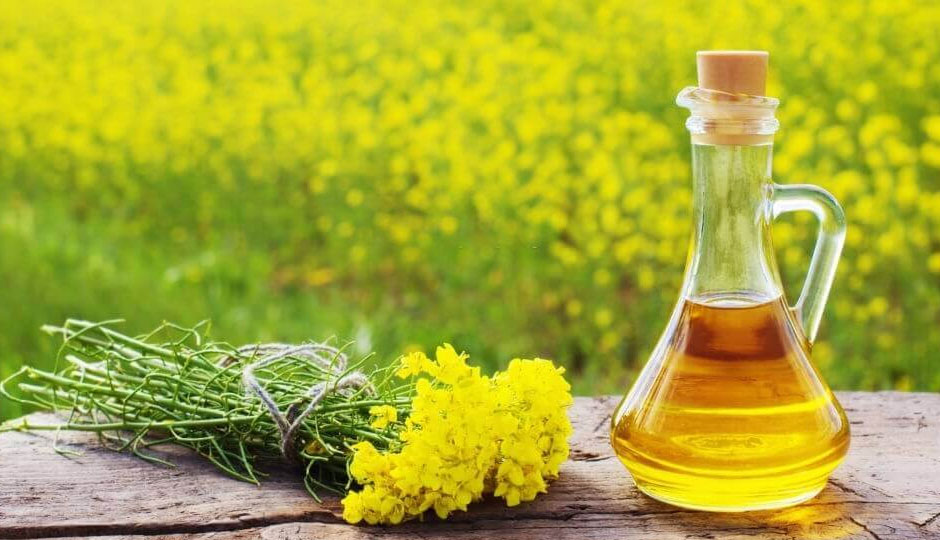
Mustard oil has been used in traditional Indian households for generations as a natural remedy for skin care, hair nourishment, and body massage. Extracted from mustard seeds, this golden-yellow oil is known for its warming properties and contains healthy fatty acids, vitamin E, and antioxidant compounds that may help support skin and hair health. From massaging the scalp to moisturising dry skin, mustard oil has several traditional uses in everyday beauty routines.
Rich in monounsaturated and polyunsaturated fatty acids, mustard oil can help soften dry skin, improve the feel of rough hair, and reduce moisture loss. Its traditional use in winter is particularly popular because it provides a warming sensation during massage.
However, mustard oil is not suitable for everyone. It can irritate sensitive skin, cause allergic reactions, and may not be appropriate for direct application to the face or scalp. Understanding its benefits, correct application methods, and precautions is important before adding it to your beauty routine.
Let's explore the detailed benefits of mustard oil for skin and hair and how to use it safely.
Benefits of Mustard Oil for Skin
1. Helps Moisturise Dry Skin
One of the most popular traditional uses of mustard oil is moisturising dry skin. Its fatty acid content helps soften rough skin and may reduce moisture loss when applied as an oil-based moisturiser.
Regular body massage with a suitable amount of mustard oil may help improve skin softness, especially during winter when cold weather and low humidity can make the skin dry.
How to use: Apply a small amount to slightly damp skin after bathing. Massage gently and remove any excess oil if the skin feels greasy.
2. May Help Improve Skin Softness
Mustard oil contains fatty acids that help condition the skin. When massaged gently, it can make rough areas such as elbows, knees, heels, and ankles feel softer.
Its emollient properties help improve the skin's surface texture by making dry and flaky areas feel smoother.
How to use: Apply a thin layer to rough areas and massage gently. Avoid using it on cracked, inflamed, or irritated skin.
3. Contains Antioxidant Compounds
Mustard oil contains vitamin E and other naturally occurring antioxidant compounds. Antioxidants help protect cells from oxidative damage caused by free radicals.
Oxidative stress is one of the factors associated with premature skin ageing. However, there is limited clinical evidence that applying mustard oil directly to the skin reduces wrinkles or reverses ageing.
4. Provides Warmth During Body Massage
Mustard oil is traditionally used for body massage, particularly during colder months. Its warming sensation makes it a popular choice for winter massage routines.
Gentle massage can temporarily promote relaxation and make the skin feel comfortable. However, the warming sensation does not mean that mustard oil treats joint pain, improves circulation permanently, or cures muscle problems.
How to use: Warm a small amount slightly using a safe indirect heating method. Always check the temperature before applying it to your skin.
5. Helps Condition Rough Skin
Dryness can make the skin look dull, rough, and uneven. Mustard oil may help improve its appearance by providing lubrication and reducing surface dryness.
Its fatty acids help soften the outer layer of the skin, making it feel smoother and more supple.
It can be used on dry body areas, provided your skin tolerates it.
6. May Support the Skin's Natural Moisture Barrier
The skin's natural barrier helps prevent excessive water loss and protects against external irritants. Mustard oil contains lipids that can provide an additional layer of lubrication.
For people with dry skin, this may help reduce the uncomfortable feeling of tightness. However, mustard oil is not a proven treatment for damaged skin barriers or conditions such as eczema.
7. Traditionally Used for Winter Skin Care
During winter, cold temperatures and low humidity can increase skin dryness. Mustard oil has traditionally been used in India as a body massage oil to help maintain skin softness.
Applying a small amount after bathing may help condition dry areas and reduce roughness.
However, people with sensitive skin should be particularly careful because mustard oil can cause irritation.
8. May Help Improve the Appearance of Dull Skin
Dry skin often appears dull because of inadequate surface moisture. Mustard oil may help improve the appearance of dry skin by adding a layer of lubrication.
Although it does not bleach or brighten the skin, it can make dry areas look healthier and feel smoother.
9. May Help Soften Cracked Heels
Mustard oil is traditionally used as a home remedy for dry feet and cracked heels. Its moisturising properties may help soften hardened skin.
How to use:
- Wash your feet with lukewarm water.
- Pat them dry.
- Apply a small amount of oil to the heels.
- Wear clean cotton socks.
For deeply cracked heels, a urea-based foot cream is generally a better-supported option.
10. Helps Make Skin Massage More Comfortable
Mustard oil provides lubrication, allowing hands to move smoothly over the skin during massage. This reduces friction and makes body massage more comfortable.
Gentle massage may also help you relax after a tiring day.
Benefits of Mustard Oil for Hair
1. Helps Condition Dry and Rough Hair
Mustard oil contains fatty acids that can help coat the hair strands and improve their softness.
Applying a small amount to dry hair lengths may help reduce friction and make hair easier to manage.
It is particularly useful as a traditional pre-shampoo conditioning treatment for people whose hair tolerates heavier oils.
2. May Help Reduce Hair Breakage
Dry hair is more likely to become rough, tangled, and prone to breakage. Mustard oil can provide lubrication that reduces friction while combing.
This may help minimise mechanical breakage, particularly when used with gentle hair-care practices.
However, it does not treat hair loss caused by hormonal changes, nutritional deficiencies, genetics, or medical conditions.
3. Helps Nourish the Hair and Scalp
Mustard oil contains fatty acids, including oleic acid, linoleic acid, and erucic acid.
These components give the oil its conditioning properties. Applying a small quantity to the hair may help reduce dryness and improve manageability.
However, there is insufficient clinical evidence that mustard oil delivers nutrients directly to hair follicles or improves follicle health.
4. May Help Reduce Dryness of the Hair
Environmental factors such as sunlight, pollution, frequent shampooing, and heat styling can make hair dry.
Mustard oil forms an oily coating around hair strands, which may help reduce friction and improve their smoothness.
How to use: Apply a few drops to the middle and ends of your hair before shampooing.
5. Makes Hair Look Shinier
Mustard oil can coat the hair surface and make it appear smoother and shinier.
When hair strands are less rough, they reflect light more evenly, creating a naturally glossy appearance.
For best results, use a small amount rather than applying excessive oil.
6. May Help Improve Hair Manageability
Tangled hair can lead to unnecessary breakage during combing and styling.
Mustard oil provides lubrication that makes hair strands easier to separate and manage.
It may be particularly helpful for people with thick, coarse, or naturally dry hair.
7. Traditionally Used for Scalp Massage
Mustard oil has been used for generations as a traditional scalp massage oil.
A gentle scalp massage can provide relaxation and temporarily improve the feeling of scalp comfort.
However, there is no convincing human clinical evidence that mustard oil massage stimulates new hair growth or increases hair density.
8. Contains Naturally Occurring Antioxidants
Mustard oil contains tocopherols (forms of vitamin E), carotenoids, and other naturally occurring compounds.
These substances have antioxidant properties. Antioxidants help counter oxidative processes, although it has not been established that applying mustard oil protects human hair follicles from oxidative damage.
9. May Help Reduce Friction Between Hair Strands
Hair friction can contribute to tangling, roughness, and breakage.
Mustard oil coats the hair strands and provides lubrication, which may reduce friction during combing.
Using a wide-toothed comb and avoiding aggressive brushing can further help protect hair from damage.
10. Helps Provide a Traditional Pre-Shampoo Hair Treatment
Mustard oil can be used as a pre-shampoo treatment to condition dry hair before washing.
Applying it to the hair lengths for a short period may make hair feel softer after washing.
People with oily scalps, dandruff, or scalp irritation should be cautious because heavy oil application may worsen discomfort in some cases.