
20 Benefits Of Olive Oil For Skin And Hair
By: Priyanka Maheshwari Tue, 17 Nov 2026 10:07:21
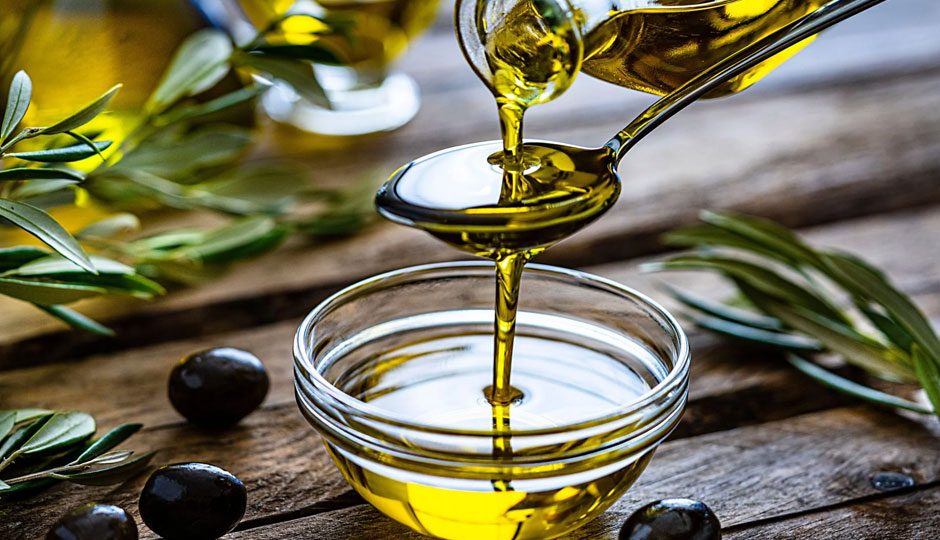
Olive oil has been used for centuries as a natural beauty ingredient because of its nourishing, moisturising and antioxidant properties. Extracted from fresh olives, this golden oil is rich in healthy fatty acids, vitamin E, polyphenols and other beneficial plant compounds that help nourish the skin and hair. It is particularly popular in natural skincare and haircare routines because it helps maintain moisture, improve softness and protect against dryness.
Extra virgin olive oil is considered one of the best varieties for beauty applications because it undergoes minimal processing and retains many of the naturally occurring antioxidants found in olives. Its moisturising properties make it useful for people dealing with dry skin, rough elbows, cracked heels and dry hair. When applied correctly, olive oil can help improve the appearance and texture of skin and hair.
Olive oil is also valued for its versatility. It can be used as a body moisturiser, hair massage oil, makeup remover and ingredient in homemade beauty treatments. However, it may not suit everyone, particularly people with oily, acne-prone or sensitive skin. It is important to understand its benefits, limitations and correct methods of application before adding it to your beauty routine.
Here are 20 amazing benefits of olive oil for skin and hair, along with practical ways to use it.
10 Benefits of Olive Oil for Skin
1. Deeply Moisturises Dry Skin
One of the biggest benefits of olive oil for skin is its moisturising ability. It contains oleic acid and other fatty acids that help soften the skin and reduce moisture loss. These properties make it particularly useful for people experiencing dry, rough or flaky skin.
Olive oil creates a protective layer on the skin's surface, helping retain existing moisture. It can make dry areas such as elbows, knees, hands and legs feel smoother and softer.
How to use: Apply a few drops of olive oil to slightly damp skin after bathing. Massage gently until it spreads evenly.
2. Helps Soften Rough and Uneven Skin Texture
Environmental pollution, harsh soaps, excessive bathing and cold weather can make skin rough and uncomfortable. Olive oil helps soften the skin by providing nourishing fatty acids that support the skin's moisture barrier.
Regular application may improve the feel and appearance of rough skin, especially on dry body areas. It can also help reduce the uncomfortable tightness associated with dehydration.
How to use: Massage a small amount onto rough areas before bedtime and wash gently the following morning if needed.
3. Provides Antioxidant Protection
Olive oil, particularly extra virgin olive oil, contains antioxidants such as vitamin E and polyphenols. These compounds help protect against oxidative stress caused by free radicals.
Free radical damage is associated with premature skin ageing and environmental skin damage. Antioxidants help protect skin cells from oxidative stress, although applying olive oil is not a substitute for sunscreen or a proven anti-ageing skincare product.
How to use: Use a small amount as an occasional moisturising treatment if your skin tolerates it.
4. Helps Improve Skin Softness and Smoothness
Dryness can make skin appear dull, rough and uneven. Olive oil helps improve skin softness by reducing moisture loss and conditioning the outer skin layer.
Its fatty acids help make the skin feel more supple and comfortable. With regular use, it may improve the appearance of dry patches and rough areas.
How to use: Apply a few drops to damp skin and massage gently in circular motions.
5. Helps Nourish Dry Hands and Cuticles
Frequent handwashing, detergents and sanitising products can remove natural oils from the skin, leaving hands dry and cuticles rough.
Olive oil can help condition the skin around the nails and soften dry cuticles. Its moisturising properties make it a useful ingredient in a simple hand-care routine.
How to use: Massage a few drops of olive oil into your hands, nails and cuticles before sleeping.
6. Helps Improve the Appearance of Cracked Heels
Cracked heels often develop because of dry skin, prolonged standing and pressure on the feet. Olive oil can help soften rough heel skin and reduce dryness.
Its moisturising properties make it useful as part of a regular foot-care routine. However, deep cracks may require specialised heel creams containing ingredients such as urea.
How to use: Apply olive oil to clean, slightly damp heels before bedtime. Wear cotton socks to help retain moisture.
7. Works as a Natural Makeup Remover
Olive oil can dissolve oil-based makeup products, including certain foundations, lipsticks and waterproof cosmetics. Its oily texture helps loosen makeup and dirt from the skin's surface.
It can be used as an occasional makeup-removing oil, but it should be followed by a gentle cleanser to remove leftover oil and makeup residue.
How to use: Apply a small amount to a cotton pad or clean fingertips, gently massage over makeup and rinse with a suitable cleanser. Avoid getting it into your eyes.
8. Helps Reduce the Appearance of Dryness-Related Fine Lines
Dry skin can make fine lines appear more noticeable. Olive oil helps moisturise the outer skin layer, making the skin look temporarily smoother and more supple.
Its antioxidant compounds may also help protect against oxidative stress. However, there is limited clinical evidence that applying olive oil directly reduces wrinkles or reverses skin ageing.
How to use: Apply a small amount to dry areas as an occasional moisturising treatment. Use sunscreen during the day for better protection against premature ageing.
9. Helps Soothe Dry and Rough Lips
Lips have a delicate outer protective layer and can easily become dry, particularly during winter. Olive oil can help soften dry lips by providing a layer of moisture-retaining lipids.
It may improve the appearance of flaky lips and make them feel more comfortable.
How to use: Apply a tiny amount of olive oil to clean lips. For persistent dryness, a fragrance-free petroleum jelly-based lip balm is another effective option.
10. Helps Protect the Skin's Moisture Barrier
The skin barrier plays an important role in maintaining hydration and protecting the skin from external irritants. Olive oil contains fatty acids that can help condition the outer skin layer.
However, olive oil is not suitable for everyone. Its high oleic acid content may disrupt the skin barrier in some people, particularly those with eczema-prone or sensitive skin.
How to use: If you have normal, non-sensitive body skin, test a small amount first. For compromised skin barriers, a ceramide-based moisturiser is generally a safer choice.
10 Benefits of Olive Oil for Hair
11. Helps Moisturise Dry Hair
Olive oil is a popular natural ingredient for treating dry and rough hair. Its fatty acids help coat the hair strands, improving softness and reducing the rough feeling associated with dryness.
It is particularly useful for people with thick, coarse, curly or chemically treated hair that tends to lose moisture easily.
How to use: Take a small amount of olive oil, warm it slightly between your palms and apply it to the lengths and ends of your hair. Leave it for 20–30 minutes before washing with shampoo.
12. Adds Natural Shine to Hair
Dull hair often results from dryness, rough cuticles and product buildup. Olive oil can help smooth the hair surface, allowing it to reflect light more evenly.
This can make hair appear shinier, smoother and healthier. It is particularly helpful for hair that looks dull because of excessive dryness.
How to use: Apply two or three drops to the ends of clean, slightly damp hair. Avoid using too much, as it can make hair greasy.
13. Helps Reduce Hair Breakage
Dry and damaged hair is more likely to become brittle and break during brushing, styling or washing. Olive oil helps condition hair strands, reducing friction and improving manageability.
Its lubricating properties may help minimise mechanical damage caused by combing and styling.
How to use: Massage a small quantity into the hair lengths before washing. Concentrate on dry ends rather than applying excessive oil to the scalp.
14. Helps Manage Frizzy Hair
Frizz commonly occurs when hair becomes dry, damaged or exposed to humidity. Olive oil coats the hair strands and helps smooth their outer surface.
This can make unruly hair easier to manage and reduce the appearance of flyaways. It is especially useful for thick, wavy and curly hair.
How to use: Rub one or two drops between your palms and gently smooth them over frizzy hair ends.
15. Helps Soften Rough Hair Ends
Split ends and rough hair tips are common problems caused by heat styling, chemical treatments and everyday wear and tear.
Olive oil can temporarily coat and soften damaged hair ends, making them appear smoother and less noticeable. However, it cannot permanently repair split ends.
How to use: Apply a few drops to the bottom portion of your hair before shampooing or use a tiny amount as a finishing treatment.
16. Makes Hair Easier to Detangle
Knotted hair can become damaged when brushed aggressively. Olive oil provides lubrication that reduces friction between hair strands.
This makes it easier to separate tangled hair and may help reduce breakage during combing.
How to use: Apply a small quantity to tangled lengths, gently separate knots using your fingers and then use a wide-tooth comb.
17. Helps Protect Hair During Washing
Hair can become rough and more vulnerable to friction when wet. Applying a small amount of olive oil to the lengths before shampooing may help reduce friction and improve hair manageability.
Some of its fatty acids can interact with the hair fibre, although coconut oil has stronger research support for reducing protein loss during washing.
How to use: Apply olive oil to the middle lengths and ends 20–30 minutes before washing. Shampoo thoroughly to remove excess oil.
18. Helps Condition Dry Scalp
A dry scalp may feel tight, uncomfortable and flaky. Olive oil can provide temporary lubrication and soften dry skin.
However, not all scalp flaking is caused by dryness. Dandruff and seborrhoeic dermatitis are different conditions, and applying olive oil may worsen them in some people.
How to use: If your scalp is simply dry and not affected by dandruff or inflammation, test a very small amount before using it as an occasional pre-shampoo treatment.
19. Helps Improve Hair Manageability
Unmanageable hair can be difficult to style because of dryness, tangles and rough texture. Olive oil helps condition the hair surface, making strands easier to comb and style.
It can also help reduce static and improve the overall appearance of dry hair.
How to use: Apply a few drops to your hair lengths after washing. Adjust the quantity according to your hair thickness and texture.
20. Provides Conditioning for Chemically Treated Hair
Hair colouring, bleaching, straightening and repeated heat styling can leave hair dry and damaged. Olive oil may help condition these strands by coating the hair surface and improving softness.
It can make chemically treated hair feel smoother and easier to manage. However, it cannot reverse structural damage caused by bleaching or chemical processing.
How to use: Use olive oil as a pre-shampoo conditioning treatment once a week. Apply it mainly to the lengths and ends.