
6 Kitchen Ingredients That Help To Keep Skin Healthy
By: Priyanka Maheshwari Sat, 02 May 2026 10:28:35
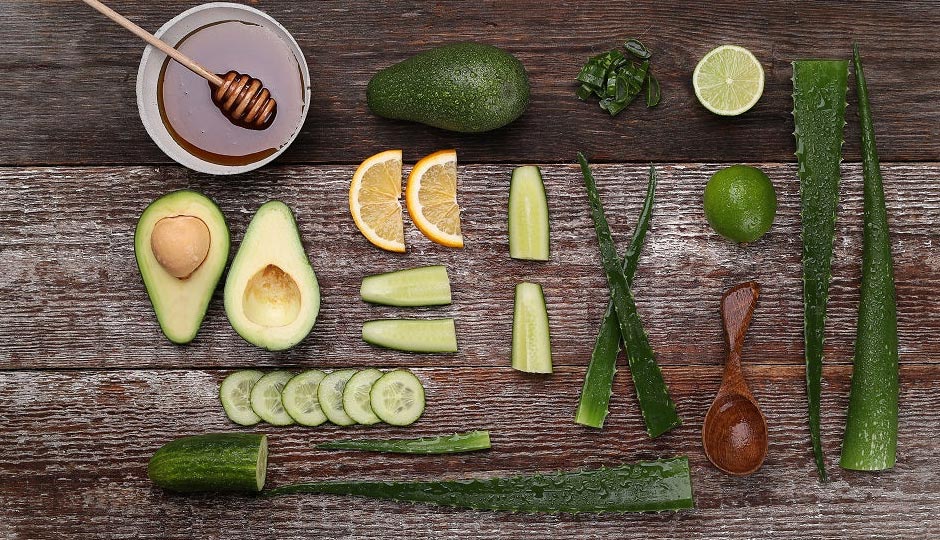
Many people still turn to familiar kitchen ingredients when their skin feels dull, dry, or irritated. It’s a habit rooted in convenience, affordability, and tradition—especially in Indian households where everyday routines are often influenced by Ayurvedic practices. Using what’s already at home can feel simpler than choosing from complex skincare products with long ingredient lists.
That said, “natural” doesn’t always mean suitable for everyone. Skin reacts differently, and something that works well for one person may not suit another. Dermatologists generally advise keeping expectations realistic and focusing on safety. Here’s a more balanced, skin-safe perspective on common kitchen skincare remedies.
Why Kitchen Skincare Still Appeals
Modern skincare often focuses on active ingredients and targeted solutions. Still, many people prefer simple, home-based options. Ingredients like turmeric, honey, curd, and aloe vera are easy to find and straightforward to use.
While these remedies can support basic cleansing, hydration, or soothing, they are not substitutes for medical treatments or solutions for persistent skin concerns. Sunscreen and proper diagnosis remain essential parts of any routine.
# Turmeric and Gram Flour Ubtan
A blend of turmeric and gram flour has long been used for skin cleansing.
Gram flour acts as a gentle exfoliant
Turmeric is known for its anti-inflammatory properties
Curd or milk is often added for a smoother texture
Before trying: This mixture can help remove surface oil and impurities, but turmeric may irritate sensitive skin. A patch test is recommended before applying it to the face.
# Honey for Soft Skin
Raw honey is commonly used as a simple face mask.
Helps retain moisture on the skin
Can feel soothing on dry or tight skin
Keep in mind: Apply a thin layer on clean skin for 10–15 minutes, then rinse with lukewarm water. It can improve softness but won’t treat conditions like acne or eczema.
# Curd and Oats for Gentle Exfoliation
Curd and oats are often combined for mild exfoliation.
Curd contains lactic acid
Oats provide gentle physical exfoliation
Worth noting: This mix may help remove dead skin cells, but overuse can disrupt the skin barrier. Using it once a week is usually sufficient.
# Sandalwood and Rose Water Mask
A traditional summer remedy in many homes, this combination is known for its cooling feel.
Sandalwood provides a soothing sensation
Rose water adds light hydration and freshness
Before trying: It may help calm skin after heat exposure, but sandalwood can cause irritation or allergic reactions in some individuals. Use with caution.
# Coconut Oil for Moisturising
Cold-pressed coconut oil is widely used as a natural moisturiser.
Helps reduce dryness
Forms a protective layer to lock in moisture
Keep in mind: It may not suit oily or acne-prone skin, especially on the face, as it can feel heavy and potentially clog pores.
# Aloe Vera for Light Hydration
Fresh aloe vera gel is a popular soothing remedy.
Provides a cooling effect
Offers lightweight hydration
Worth knowing: It may help calm mild redness, but even natural aloe can irritate sensitive skin. Patch testing is still important.
Using Kitchen Skincare Safely
Even natural remedies require careful use. Dermatologists generally recommend:
Always perform a patch test before first use
Stop immediately if irritation occurs
Avoid replacing prescribed treatments with home remedies
Use sunscreen daily, regardless of your routine