- Home›
- Healthy Living›
- 12 Effective Home Remedies For High Blood Pressure
12 Effective Home Remedies For High Blood Pressure
By: Priyanka Maheshwari Wed, 05 Aug 2026 11:13:06
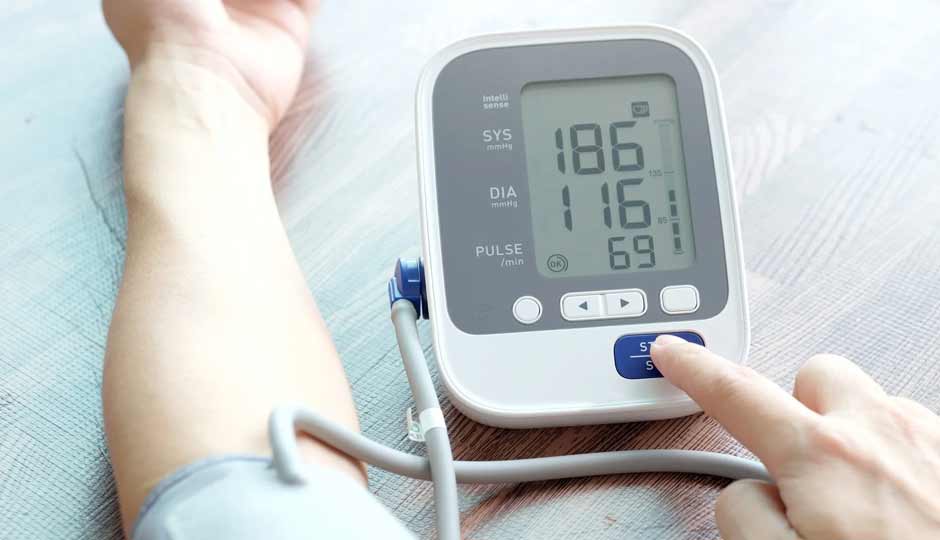
High blood pressure, also known as hypertension, is one of the most common health conditions affecting millions of people worldwide. It occurs when the force of blood pushing against the walls of the arteries remains consistently higher than normal. Often referred to as the "silent killer," high blood pressure usually develops without noticeable symptoms, making it difficult to detect until it causes serious health problems.
If left untreated, hypertension can significantly increase the risk of heart disease, stroke, kidney damage, vision loss, and other life-threatening complications. Factors such as an unhealthy diet, excessive salt intake, lack of physical activity, obesity, stress, smoking, alcohol consumption, and family history can all contribute to high blood pressure. Although the condition is common, it can often be prevented and managed through healthy lifestyle changes, regular blood pressure monitoring, and prescribed medications when necessary.
Along with medical treatment, many natural home remedies and healthy habits can support better blood pressure control. Eating a balanced diet rich in fruits and vegetables, reducing sodium intake, staying physically active, managing stress, maintaining a healthy weight, and getting enough sleep are all effective ways to promote heart health. Understanding the causes, symptoms, and natural ways to manage high blood pressure is the first step toward protecting your cardiovascular health and leading a healthier, longer life.
Here are some of the most effective natural ways to help manage high blood pressure:
1. Reduce Salt Intake
Aim for less than 2,300 mg of sodium per day, or even 1,500 mg if advised by your doctor.
Avoid packaged snacks, instant noodles, processed meats, pickles, and fast food.
Use herbs, lemon juice, garlic, and spices to add flavor instead of extra salt.
2. Eat More Potassium-Rich Foods
Potassium helps balance sodium and relax blood vessels.
Bananas
Oranges
Coconut water (if you don't have kidney disease)
Spinach
Sweet potatoes
Tomatoes
Beans and lentils
3. Eat a Heart-Healthy Diet
Include:
Whole grains (oats, brown rice)
Fresh fruits and vegetables
Low-fat dairy
Nuts and seeds
Fish and lean protein
Limit:
Sugary drinks
Fried foods
Excess sweets
Saturated and trans fats
4. Exercise Regularly
Aim for at least 150 minutes of moderate exercise each week, such as:
Brisk walking
Cycling
Swimming
Yoga
Even a 30-minute walk most days can make a meaningful difference.
5. Maintain a Healthy Weight
Losing even 5–10% of your body weight (if you're overweight) can help reduce blood pressure.
6. Manage Stress
Chronic stress can contribute to higher blood pressure.
Try:
Deep breathing for 5–10 minutes daily
Meditation
Gentle yoga
Spending time outdoors
Listening to calming music
7. Limit Alcohol and Avoid Tobacco
If you drink alcohol, do so in moderation.
If you smoke, quitting is one of the best things you can do for your heart and blood vessels.
8. Get Enough Sleep
Aim for 7–9 hours of quality sleep every night. Poor sleep is associated with higher blood pressure.
9. Try Garlic
Some studies suggest that garlic may modestly lower blood pressure.
Use fresh garlic in cooking.
Garlic supplements should only be taken after discussing them with your healthcare provider, especially if you take blood thinners.
10. Drink Hibiscus Tea
Some research indicates that hibiscus tea may produce a small reduction in blood pressure in some people. However, it should not replace prescribed treatment, and it can interact with certain medications.
11. Reduce Caffeine if Sensitive
If your blood pressure rises noticeably after coffee or energy drinks, reducing caffeine intake may help.
12. Monitor Your Blood Pressure at Home
Check it regularly and keep a record to share with your healthcare provider.
When to Seek Medical Care