- Home›
- Healthy Living›
- 12 Home Remedies To Treat Knuckle Pain Naturally
12 Home Remedies To Treat Knuckle Pain Naturally
By: Priyanka Maheshwari Wed, 30 Sep 2026 10:18:41
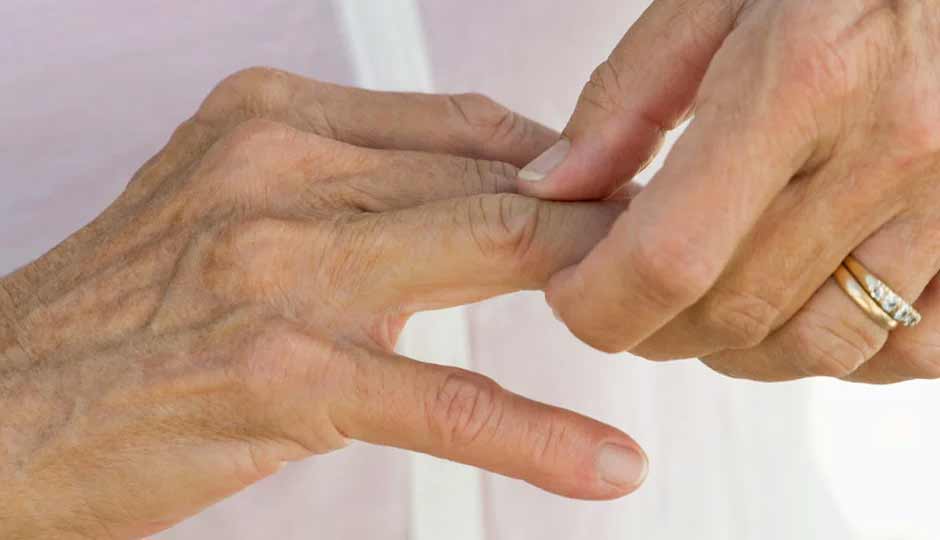
Knuckle pain can make everyday activities such as writing, typing, cooking, gripping objects or opening jars uncomfortable. It may affect one or several finger joints and can sometimes be accompanied by stiffness, swelling, tenderness or reduced movement. Common causes include overuse, minor injuries, muscle or tendon strain, inflammation and conditions such as osteoarthritis or rheumatoid arthritis.
For mild knuckle pain caused by temporary strain or overuse, some simple home-care measures may help reduce discomfort and stiffness. However, home remedies should not replace medical evaluation when pain is severe, persistent, recurrent or associated with significant swelling or other concerning symptoms.
1. Apply a Cold Compress
A cold compress can be useful when knuckle pain is accompanied by swelling or occurs after a minor injury.
How to use it:
Wrap a few ice cubes in a clean towel or use a cold pack.
Place it over the affected knuckle for about 10–15 minutes.
Repeat several times throughout the day as needed.
Avoid applying ice directly to the skin.
Cold therapy can temporarily reduce pain and help control swelling.
2. Try a Warm Compress
Warmth may be more comfortable when the main problem is stiffness rather than fresh swelling or injury. Heat can help relax surrounding tissues and make stiff fingers easier to move.
How to use it:
Soak a clean towel in comfortably warm water and wring it out.
Place it over the affected hand for 10–15 minutes.
Alternatively, soak the hand in warm water for a few minutes.
Stop if heat increases swelling or discomfort.
3. Give Your Hands Adequate Rest
Repeated gripping, typing, lifting, gardening or other hand-intensive activities can aggravate knuckle pain. Giving the affected hand a temporary break can allow irritated tissues to recover.
Try to:
Reduce activities that trigger pain.
Avoid repeatedly making a tight fist.
Take regular breaks while typing or doing manual work.
Use both hands when lifting heavier objects.
Rest does not necessarily mean keeping the fingers completely still for prolonged periods. Gentle movement is generally useful when it does not increase pain.
4. Perform Gentle Finger Exercises
Gentle movements can help maintain flexibility and prevent stiffness.
Simple exercise:
Place your hand comfortably on a table.
Slowly straighten your fingers.
Gently bend them into a loose fist.
Hold for a few seconds.
Slowly release and straighten the fingers.
Repeat 5–10 times.
Do not force a painful joint or continue an exercise that causes significant discomfort.
5. Try Gentle Hand Massage
A light massage around the hand may feel soothing when the pain is related to muscle tension or stiffness.
How to do it:
Apply a small amount of a plain moisturizer or massage oil.
Gently massage the palm and the area surrounding the affected knuckles.
Use small circular movements for 5–10 minutes.
Avoid vigorous pressure directly over a swollen or injured joint.
6. Keep Your Hands Warm
Cold temperatures can make already-stiff fingers feel more uncomfortable. Keeping the hands warm may help some people manage stiffness.
You can:
Wear gloves in cold weather.
Use warm water to gently loosen stiff fingers.
Keep your hands covered when exposed to cold environments.
If your fingers become unusually cold, pale, blue or numb, however, this should not simply be treated with home remedies and may require medical assessment.
7. Maintain a Healthy Diet
A balanced diet supports overall musculoskeletal health. Include foods containing protein, calcium, vitamin D, healthy fats, fruits and vegetables.
Good choices include:
Milk, yogurt and other calcium-rich foods
Eggs
Lentils and beans
Nuts and seeds
Green leafy vegetables
Fruits
Fatty fish, if included in your diet
There is no specific food that can cure knuckle pain, but a nutritious diet can contribute to overall health.
8. Stay Hydrated
Adequate fluid intake is important for general health and normal body function. Instead of relying on sugary drinks, choose water and other nutritious fluids throughout the day.
Hydration alone will not treat an underlying joint condition, but maintaining adequate fluid intake is part of good overall self-care.
9. Use Ergonomic Hand Positions
Poor hand positioning during work can contribute to repetitive strain. If you spend several hours typing or using a mouse, keep your wrists in a comfortable, neutral position and avoid excessive pressure on the fingers.
You can also:
Take short breaks every 30–60 minutes.
Stretch your fingers gently.
Avoid gripping a mouse or phone too tightly.
Adjust your keyboard and workstation to a comfortable position.
10. Consider a Finger or Hand Support
If movement aggravates mild knuckle pain, a suitable finger or hand support may temporarily reduce stress on the affected area.
However, prolonged immobilisation without professional advice may contribute to stiffness. If you have significant pain, an injury or suspected arthritis, ask a doctor or physiotherapist whether a splint is appropriate.
11. Elevate the Hand if It Is Swollen
If your hand or fingers are swollen after a minor injury, keeping the hand elevated may help reduce fluid accumulation.
Try this:
Rest your arm on a pillow while sitting or lying down.
Keep the hand elevated above the level of your heart when practical.
Combine elevation with rest and, during the early period after an injury, appropriate cold therapy.
12. Avoid Activities That Make the Pain Worse
One of the simplest ways to manage knuckle discomfort is to identify activities that trigger it. Repeatedly pushing through pain can potentially worsen an irritated joint or soft tissue.
For a few days, reduce activities involving:
Heavy lifting
Repetitive gripping
Strong squeezing
Prolonged typing without breaks
Activities that repeatedly bend or stress the painful finger