
- Home›
- Healthy Living›
- 7 Major Reasons Why You Should Include Healthy Good Fats In Your Diet
7 Major Reasons Why You Should Include Healthy Good Fats In Your Diet
By: Priyanka Maheshwari Fri, 19 Jun 2026 3:59:08
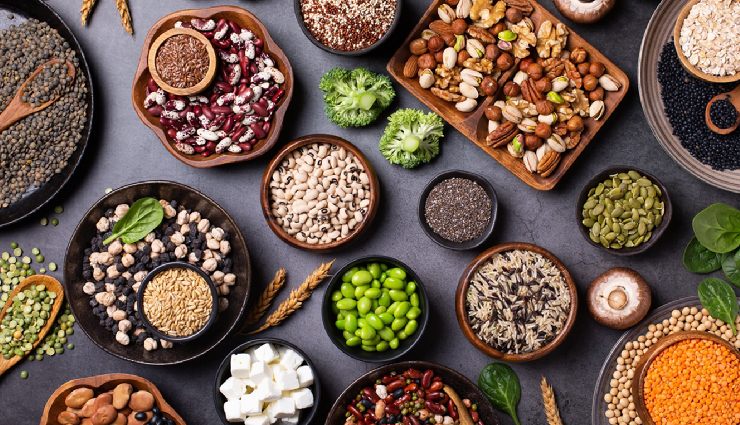
Many people tend to avoid fats in their meals, often believing they are automatically unhealthy or linked to weight gain and disease. However, this is a common misconception. Not all fats are harmful—certain types are not only beneficial but also essential for maintaining optimal health and protecting the body from various disorders.
Fats play a fundamental role in supporting overall bodily functions. They act as a concentrated energy source, contribute to healthy skin and strong hair, and help regulate body temperature by providing insulation and protection to internal organs.
Dietary fats come in different forms, and among them, essential fats obtained through food are particularly important for human health. These fats supply the body with vital fatty acids such as linoleic acid and alpha-linolenic acid. These compounds are known to have anti-inflammatory properties, assist in preventing abnormal blood clot formation, and support healthy brain development and cognitive function.
In general, all dietary fats consist of a combination of saturated and unsaturated fatty acids. Saturated fats, commonly found in foods like full-fat dairy products, butter, cheese, and certain animal-based foods, may contribute to increased cholesterol levels when consumed in excess, thereby raising the risk of heart-related diseases.
On the other hand, unsaturated fats are widely considered beneficial for heart health. These include both monounsaturated and polyunsaturated fats, which help maintain healthy cholesterol levels and support overall cardiovascular function when consumed in moderation.
Some of the best natural sources of healthy unsaturated fats include olives, nuts, seeds, peanut butter, tofu, soy products such as soy milk and soybeans, flaxseeds, and fatty fish varieties like salmon, tuna, and trout.
Including these nutrient-rich fat sources in a balanced diet can significantly contribute to better energy levels, improved brain function, and long-term heart health, making them an important part of a well-rounded nutrition plan.
Let’s explore the key reasons why incorporating healthy fats into your diet is essential:

# Boosts Energy Levels
Proteins and carbohydrates alone may not meet your body’s energy needs. Fats are a concentrated source of energy—just 1 gram provides 9 calories. In the absence of adequate fat, the body starts breaking down muscle tissue for energy. Including healthy fats helps maintain energy without compromising muscle mass.
# Regulates Body Temperature
Fat acts as the body’s natural insulation, providing warmth and shielding against cold temperatures. It forms a protective layer that helps maintain a stable internal temperature.
# Enhances Nutrient Absorption
Certain vitamins—A, D, E, and K—are fat-soluble, meaning they require fat for absorption. These vitamins play crucial roles: vitamin A supports immunity, vitamin D regulates immune responses, vitamin E functions as an antioxidant, and vitamin K helps prevent blood clotting.

# Supports Wound Healing
Fatty acids are essential for producing new cell membranes during the wound healing process. By aiding tissue repair, healthy fats contribute to faster recovery and overall vitality.

# Prevents Dry Skin
Unsaturated fats help retain moisture in the skin, keeping it soft and hydrated. Foods rich in omega-3 fatty acids—like avocado, tuna, salmon, and walnuts—can alleviate dry skin and reduce the risk of conditions such as eczema.
# Reduces Joint Inflammation
Omega-3 fatty acids have proven anti-inflammatory effects that may ease symptoms of arthritis. Adding foods like flaxseeds, walnuts, sardines, mackerel, and salmon to your diet can help support joint health.

# Protects Against Mouth Sores
Fats, particularly those found in fish like salmon, are rich in vitamin B12, which supports oral health and may help prevent mouth sores.