- Home›
- Healthy Living›
- 7 Symptoms Of Cystic Fibrosis To Look Out For
7 Symptoms Of Cystic Fibrosis To Look Out For
By: Priyanka Maheshwari Sat, 07 Feb 2026 11:58:48
As children, we inherit many traits from our parents—our looks, habits, temperament, and even our values.
However, inheritance doesn’t stop there. Certain health conditions can also be passed down through generations.
Genetic disorders are illnesses that are transmitted from parents to children through their genes. In some instances, these conditions may also arise due to abnormalities or mutations in a person’s DNA structure.
Some common genetic disorders include hemophilia, Huntington’s disease, Down syndrome, and sickle cell anemia.
Cystic Fibrosis is another frequently diagnosed genetic disorder. It is usually identified in children between the ages of 2 and 18, although it can also develop or be diagnosed in adults.
Cystic Fibrosis primarily affects the mucus glands, sweat glands, and digestive system. The fluids produced in these areas become unusually thick and sticky, interfering with normal bodily functions.
In severe cases, the condition can lead to serious lung infections, and some patients may even require a lung transplant.
Below are some of the major symptoms of Cystic Fibrosis:
# Chronic Cough
Individuals may experience a persistent cough that can last for extended periods, often accompanied by chest pain, congestion, and fatigue.
# Gastrointestinal Issues
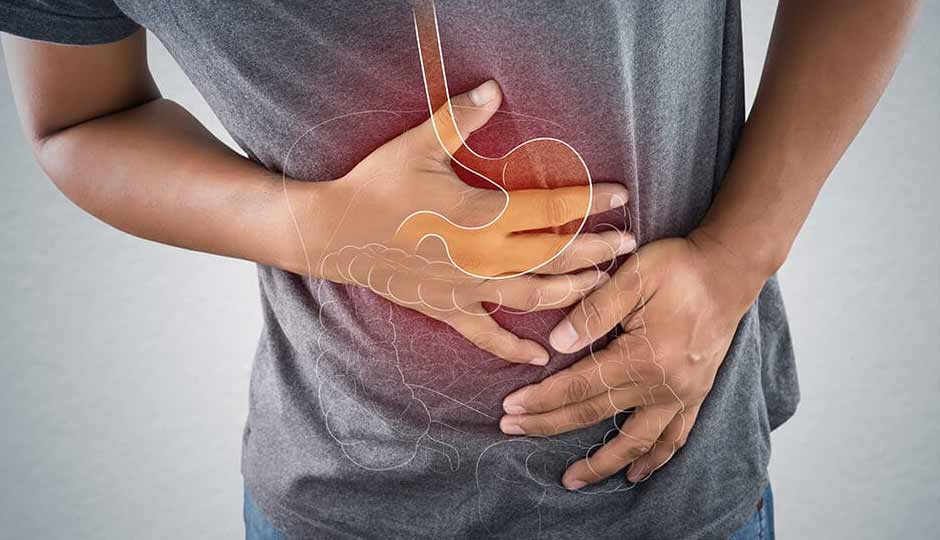
People with cystic fibrosis may suffer from digestive problems such as diarrhea, severe constipation, nausea, and fatty stools.
# Developmental Delays
Children affected by cystic fibrosis may face developmental challenges, including learning difficulties, delayed growth, and late onset of puberty.
# Respiratory Problems
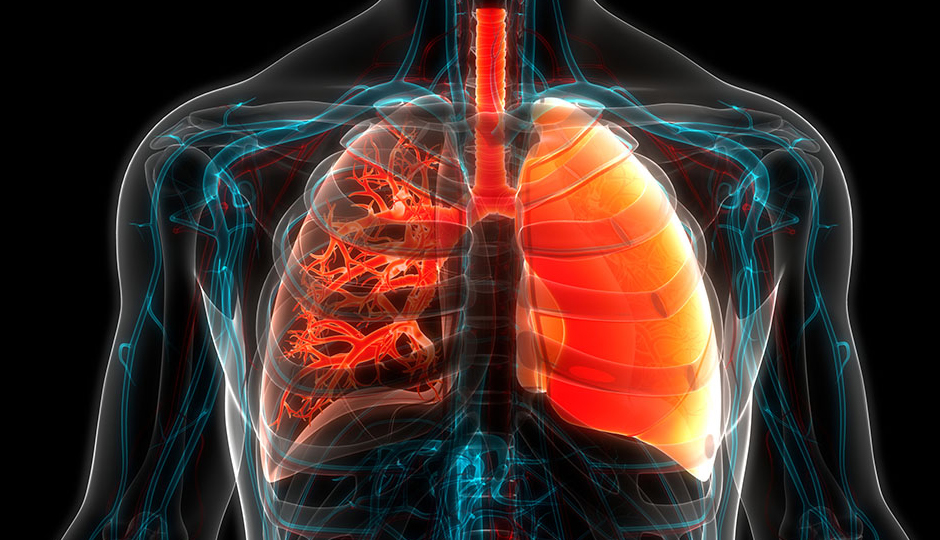
Common respiratory symptoms include wheezing, shortness of breath, sinus infections, and recurring lung infections.
# Male Infertility
In some cases, males with cystic fibrosis may experience reduced sperm count or other reproductive complications that can result in infertility.
# Body Pain
Thickened mucus can cause significant discomfort and pain, particularly in the chest and abdominal regions.
# Weight Loss
Loss of appetite, frequent infections, and fatigue may contribute to unintended weight loss and weakened immunity.