- Home›
- Healthy Living›
- 7 Tips To Prevent Cancer Naturally
7 Tips To Prevent Cancer Naturally
By: Mansi Fri, 02 May 2025 6:31:57

It is common for people to dismiss feelings of misfortune or bad luck when it comes to their own lives. Whether it's natural disasters like earthquakes, droughts, or floods, accidents, or even the malfunctioning of the human body leading to life-threatening diseases, none of us would wish these misfortunes upon ourselves or our loved ones.
Cancer, one of the deadliest diseases in the world, is responsible for millions of deaths. It is characterized by the uncontrollable growth of cells in various parts of the body and, depending on when it is detected, it may or may not be curable.
Many of us have unfortunately known someone who has battled cancer or have been closely connected to someone affected by it. We have witnessed both the patients’ and their families’ courageous fight against this fatal disease.
In this article, I will guide you through the different aspects of cancer, its causes, and preventive methods. There are various types of cancer, such as lung cancer, stomach cancer, breast cancer, cervical cancer, prostate cancer, and more. According to a 2015 study by the WHO, over 8 million people worldwide died from cancer that year.
However, the study also revealed that 35-50% of cancer-related deaths could have been prevented by avoiding or modifying key risk factors. For example, maintaining a healthy body weight, regular exercise, and reducing alcohol consumption can significantly lower the risk. Major causes of cancer include genetic mutations, smoking and tobacco use, exposure to harmful chemicals in cosmetics, obesity, lack of exercise, radiation exposure, heredity, hormonal imbalances, and autoimmune diseases that lead to inflammation.
So, what are the medically recognized treatments for cancer? These include medication, chemotherapy, radiation therapy, surgery, and laser therapy. In the next sections of this article, we will explore natural methods that may help prevent cancer from occurring or recurring.
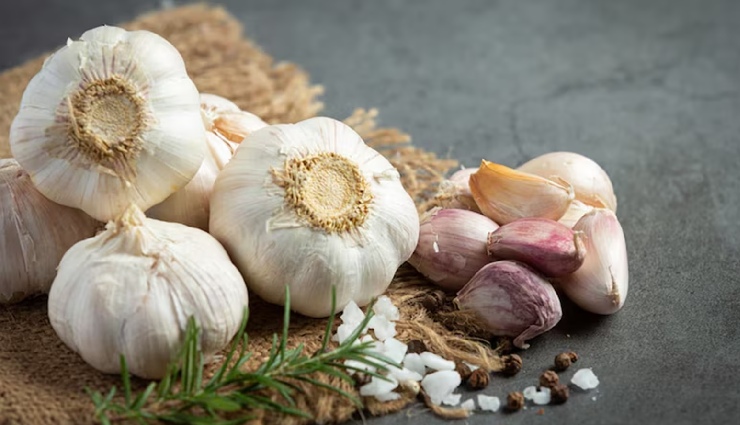
# Garlic
Garlic is highly recommended for inclusion in the diet due to its sulphur compounds. Regular consumption of garlic helps stimulate the immune system, activating the body's natural defenses against cancer.
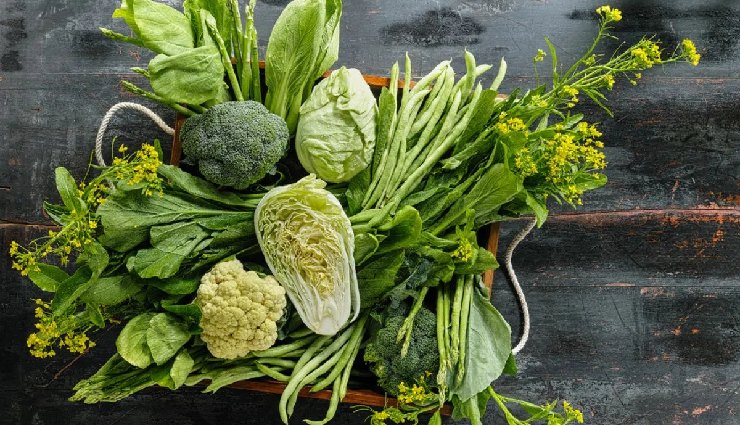
# Green Vegetables
Adding green vegetables such as broccoli, spinach, and others to your diet is another beneficial choice. These are considered superfoods because of the magnesium content, which can help lower the risk of cancer. Including fresh fruits, nuts, milk, and salmon in your diet also provides additional health benefits.
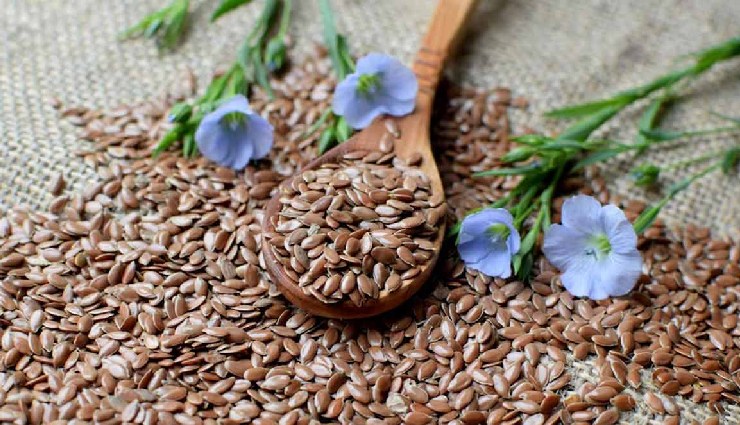
# Flax Seeds
Flax seeds are considered an excellent food choice, particularly for women to naturally reduce the risk of breast cancer. Whether consumed whole, ground, or as oil, flax seeds can be added to food, salads, yogurt, smoothies, etc. Rich in omega-3 fatty acids, flax seeds help create a protective shield against cells that could lead to breast cancer.

# Avoid Sugary Foods, Alcohol, and Processed Meats
Cutting down on certain foods can help in cancer prevention. Reducing sugar, soda, junk food, smoking, alcohol, and processed meats from your diet can play a significant role in controlling cancer risks.

# Regular Exercise
Engaging in regular physical activity, such as walking, jogging, yoga, or cardio, can reduce cancer risk by 35-40%. It is recommended to exercise for at least 20-60 minutes per session, aiming for moderate to vigorous intensity.
# Vitamin D Intake
A deficiency in Vitamin D can disrupt cellular coordination, leading to the development and spread of cancer cells. Hence, it is strongly advised to ensure adequate Vitamin D intake. Sunlight is a natural source of Vitamin D, so spending a few minutes in the sun each day can provide these benefits. However, be cautious of overexposure to sunlight, as harmful rays can cause skin cancer.
# Regular Medical Check-ups
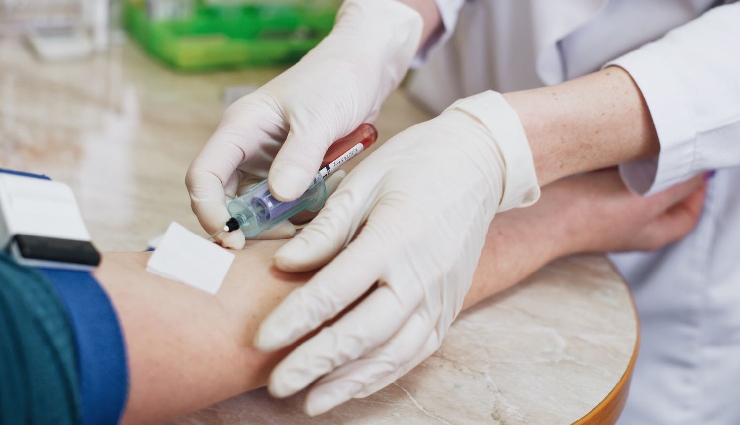
In addition to natural methods, regular medical check-ups are essential to help detect cancer early. These check-ups can rule out the presence of cancerous cells and significantly increase the chances of successful treatment by identifying cancer in its early stages.