- Home›
- Healthy Living›
- 8 Yoga Poses To Relieve Stiffness And Improve Posture
8 Yoga Poses To Relieve Stiffness And Improve Posture
By: Priyanka Maheshwari Mon, 22 Jun 2026 11:51:11
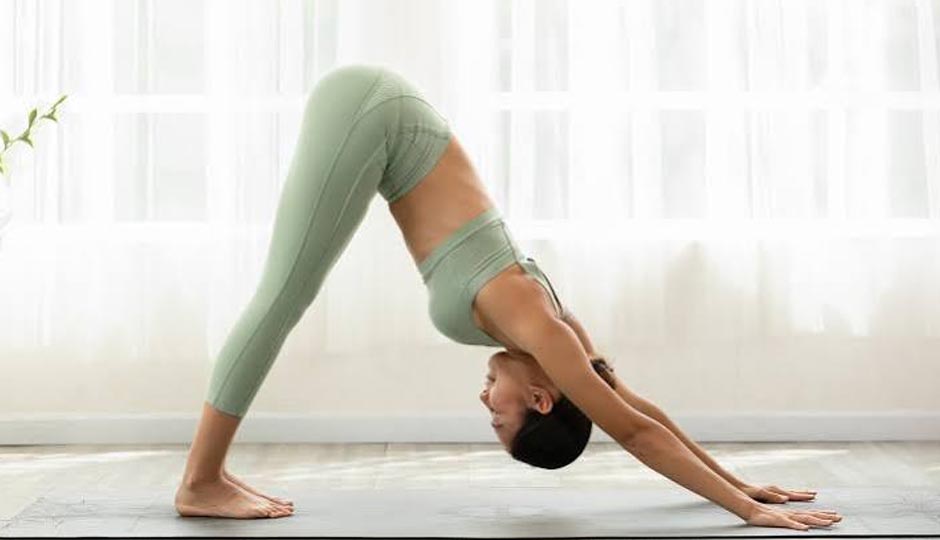
For many professionals—including those working from home—the workday often follows a familiar pattern: long hours spent in front of a laptop or computer, shoulders gradually tensing, and a back that feels increasingly stiff by evening. By the end of the day, simply getting up from the desk can leave the body feeling exhausted and disconnected.
Prolonged sitting restricts the natural mobility of the spine, hips, and shoulders. Over time, this can lead to stiffness, shallow breathing, and poor posture. Even short breaks are frequently spent scrolling on a phone or remaining seated, offering little relief to the body.
This is where yoga serves as an effective reset. Simple stretches and mindful movements help restore mobility to joints and muscles that remain inactive for hours.
Simple Office-Friendly Yoga Poses
A few intentional stretches can help relieve accumulated tension, enhance posture, reduce stress, and increase awareness of the connection between the body and mind. Individuals can practice office-friendly asanas such as Seated Urdhva Baddhanguliyasana (upward arm stretch with interlocked fingers), Uttanasana (standing forward bend), Marjaryasana-Bitilasana (cat-cow pose), and spinal twists. At home, poses like Paschimottanasana (seated forward bend), Ustrasana (camel pose), Bhujangasana (cobra pose), and Purvottanasana (upward plank pose) can further promote overall well-being.
These poses can be practiced during short breaks to ease built-up tension and restore alignment.
1. Seated Urdhva Baddhanguliyasana (Upward Arm Stretch With Interlocked Fingers)
This simple seated stretch involves interlocking the fingers and extending the arms overhead. It can easily be performed while sitting on a chair.
Urdhva means “upward.”
Baddha Anguli refers to “interlocked fingers.”
The pose helps lengthen the spine, expand the rib cage, and relieve tightness in the shoulders and upper back—areas commonly affected by desk work.
2. Uttanasana (Standing Forward Bend)
This standing forward fold allows the upper body to relax toward the legs.
Uttana means “intense stretch.”
It releases tension in the lower back, hamstrings, and neck while promoting blood circulation to the head, making it an ideal refresh after prolonged sitting.
3. Marjaryasana-Bitilasana (Cat-Cow Pose)
Performed on the hands and knees, this gentle sequence alternates between arching and rounding the spine.
Marjaryasana = Cat Pose
Bitilasana = Cow Pose
The rhythmic movement enhances spinal flexibility and helps counter stiffness caused by extended periods of sitting.
4. Spinal Twist
Spinal twists can be practiced in seated or reclining variations.
The seated version is commonly known as Ardha Matsyendrasana (Half Lord of the Fishes Pose).
The reclining variation is called Supta Matsyendrasana (Reclining Spinal Twist).
These twists release tension along the spine, improve mobility, and gently stimulate the digestive organs.
Deeper Stretches For Home Practice
These poses require more space and are ideal for practicing at home.
1. Paschimottanasana (Seated Forward Bend)
This seated stretch involves folding the torso toward the legs.
Paschima refers to the back of the body.
Uttana means “stretch.”
It lengthens the spine, hamstrings, and lower back while also promoting relaxation and calming the nervous system after a demanding day.
2. Ustrasana (Camel Pose)
A deep backbend performed on the knees, Ustrasana opens the chest while the hands reach toward the heels.
It improves spinal flexibility, expands the chest, and counteracts the rounded posture often associated with desk work.
3. Bhujangasana (Cobra Pose)
Performed while lying on the stomach, this gentle backbend lifts the chest using the strength of the back muscles.
The pose strengthens the spine, opens the chest, and helps ease lower back stiffness.
4. Purvottanasana (Upward Plank Pose)
In this reverse plank posture, the body is supported by the hands and feet while lifting upward.
It strengthens the wrists, shoulders, and core while opening the front body and improving overall stability.
Bringing Yoga Into Everyday Life
Desk jobs are here to stay, but their effects on the body do not have to. As International Yoga Day 2026 approaches, dedicating just a few minutes to mindful movement can help prevent stiffness, improve posture, and make long workdays feel less taxing. The aim is not to add another task to an already busy schedule, but to give the body the movement and flexibility it naturally craves.