Rare Mahavidya Festival- Dhumavati Jayanti 2026
By: Priyanka Maheshwari Mon, 22 Jun 2026 12:09:21
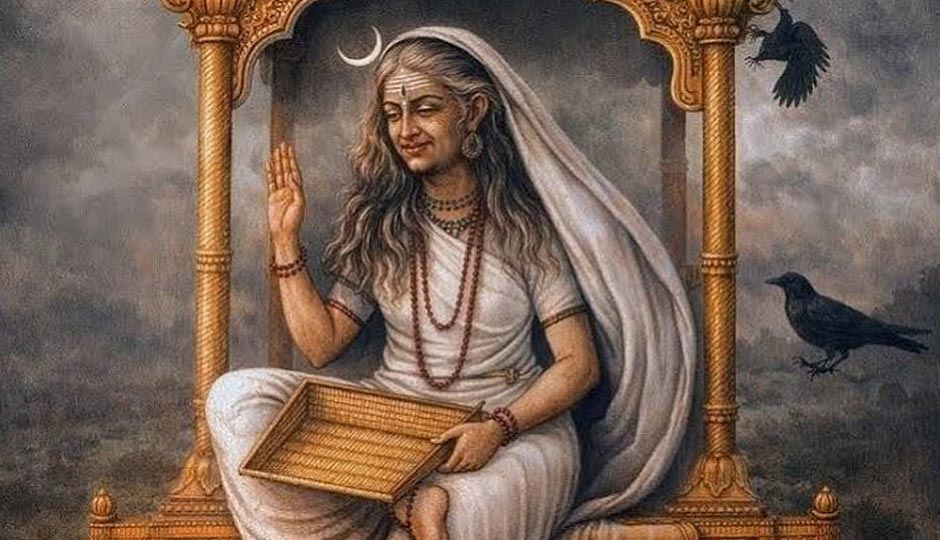
Dhumavati Jayanti marks the appearance day of Goddess Dhumavati, one of the ten Mahavidyas revered in Hindu tradition. In 2026, the occasion is being observed on Monday, 22 June, coinciding with Shukla Paksha Ashtami of the Jyeshtha month, as per widely followed Panchang calculations.
Unlike many Hindu festivals associated with joy and celebration, Dhumavati Jayanti is observed with simplicity, introspection, and spiritual contemplation. The day focuses on understanding loss, detachment, and the deeper truths of human existence.
Dhumavati Jayanti 2026: Date and Tithi
According to the Hindu lunar calendar, the observance in 2026 falls on:
Date: Monday, 22 June 2026
Tithi: Shukla Paksha Ashtami
Month: Jyeshtha
Although the date remains uniform across most Panchang references, the exact muhurat timings may differ slightly depending on regional traditions and calculations.
Who Is Goddess Dhumavati?
Goddess Dhumavati is regarded as the seventh Mahavidya in the Tantric tradition. She represents aspects often overlooked in conventional spiritual narratives—loss, solitude, emptiness, and silence.
Her symbolism embodies:
The impermanent nature of life
Freedom from illusion and worldly attachments
Detachment from material dependence
Wisdom gained through hardship and transformation
She is seen as a form that transcends comfort and appearances, revealing truth in its raw and unembellished state.
Spiritual Significance of Dhumavati Jayanti
Dhumavati Jayanti is not associated with prosperity rituals or festive grandeur. Instead, it emphasizes inner reflection and self-awareness.
For devotees, the day serves as a reminder of:
Practicing emotional detachment without rejecting life
Accepting uncertainty and the reality of loss
Cultivating simplicity and inner discipline
Discovering what remains when worldly attachments fade away
Dhumavati Jayanti 2026: Rituals and Observances
Practices vary among regions and traditions, but devotees commonly observe the day through simple and disciplined rituals, including:
Taking an early morning bath and purification rituals
Worshipping in a clean and uncluttered space
Lighting a diya and incense sticks
Offering black sesame seeds, jaggery, or simple food items
Reciting Dhumavati mantras
Maintaining silence or limiting speech for certain periods
Meditating on detachment, awareness, and inner clarity
Many devotees also perform charitable acts or feed the needy, reflecting the spirit of letting go of ego and attachment.
Symbolism and Interpretation of Goddess Dhumavati
The imagery of Goddess Dhumavati is deliberately austere and symbolic. Her lack of adornment conveys a profound philosophical truth—that reality and wisdom do not rely on outward appearances.
Her place among the Mahavidyas broadens the understanding of divinity beyond prosperity and happiness. It encompasses difficult yet inevitable experiences such as grief, isolation, change, and transition.
Rather than representing misfortune, she is often viewed as a spiritual guide who helps individuals navigate periods of transformation when old identities and attachments begin to dissolve.
Dhumavati Jayanti 2026: Relevance in Modern Times
In contemporary life, Dhumavati Jayanti is increasingly regarded as a day of reflection rather than elaborate ritual observance. Its teachings resonate through themes such as:
Navigating emotional transitions with awareness
Accepting loss without resistance
Developing resilience through acceptance
Creating moments of silence and inner stillness amid daily life
What Dhumavati Jayanti Teaches
Observed on 22 June 2026, Dhumavati Jayanti holds a unique place in the Hindu spiritual calendar. It encourages devotees to acknowledge aspects of life that are often left unspoken—loss, silence, change, and detachment—and to discover wisdom and strength through acceptance and self-reflection.