
- Home›
- Healthy Living›
- 9 Home Remedies And Care For Cavities In Kids
9 Home Remedies And Care For Cavities In Kids
By: Priyanka Maheshwari Fri, 04 Sep 2026 11:49:34
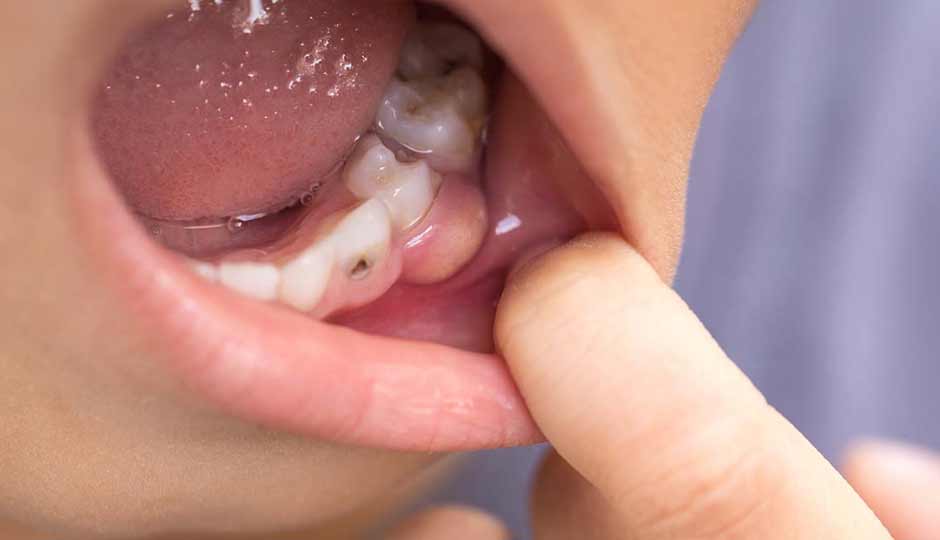
A child’s smile is one of the most precious things for every parent, but keeping those little teeth healthy can sometimes be challenging. Dental cavities, also known as tooth decay or dental caries, are among the most common oral health problems in children. They can affect both baby teeth and permanent teeth and may develop when bacteria in the mouth feed on sugars from food and drinks, producing acids that gradually damage the tooth enamel.
Cavities can begin with very subtle signs, such as white or chalky spots on the teeth, and may gradually turn into yellow, brown, or black spots and eventually small holes. Some children may experience tooth sensitivity or pain while eating hot, cold, sweet, or hard foods, while others may have a cavity without any noticeable symptoms in the early stages. This is why regular dental check-ups and good oral hygiene are so important, even when a child appears to have perfectly healthy teeth.
Frequent consumption of sugary foods and drinks, inadequate brushing, improper oral hygiene, prolonged bottle feeding, and allowing children to sleep with milk or other sweetened drinks can increase the risk of tooth decay. Although baby teeth eventually fall out, they play an important role in chewing, speech development, and maintaining space for permanent teeth. Therefore, cavities in baby teeth should not be ignored.
Fortunately, many simple habits at home can help prevent cavities from developing and reduce the risk of existing early tooth decay getting worse. Regular brushing with fluoride toothpaste, daily flossing, drinking plenty of water, limiting sugary snacks, and maintaining a balanced diet are some of the most effective ways to protect children's teeth.
However, it is important to understand that home remedies cannot repair a tooth that already has a significant cavity or hole. If your child has persistent toothache, swelling, sensitivity, visible holes, or signs of infection, a pediatric dentist should evaluate the tooth and recommend appropriate treatment. Early attention can help prevent a small dental problem from becoming a painful and more complicated one.
1. Brush twice a day with fluoride toothpaste
This is the most important home measure.
Brush morning and before bedtime for about 2 minutes.
Use a soft-bristled toothbrush suitable for the child's age.
Use fluoride toothpaste appropriate for the child's age and follow the amount recommended by your dentist.
Parents should supervise brushing and help younger children brush properly.
Pay special attention to the back teeth, where food and plaque commonly accumulate.
Important: Children should spit out toothpaste rather than routinely swallowing it.
2. Floss between the teeth every day
A toothbrush cannot effectively clean tight spaces between teeth.
Floss once a day, preferably at night.
Gently slide the floss between the teeth and curve it around each tooth.
Don't snap the floss against the gums.
If the child has difficulty with regular floss, floss picks designed for children may be easier.
Daily flossing is particularly important when cavities develop between two teeth.
3. Encourage water after meals and snacks
Plain water helps wash away food particles and dilute acids produced by cavity-causing bacteria.
Encourage your child to drink water:
After meals
After snacks
After sweets
Before bedtime if they feel thirsty
If your local water supply is fluoridated, it may also provide some additional protection against tooth decay.
4. Reduce frequent sugary snacks
The frequency of sugar exposure matters greatly.
Try to avoid allowing children to repeatedly snack on:
Candies
Chocolates
Cookies
Cakes
Sweetened cereals
Sugary drinks
Packaged juices
Sticky sweets
Instead, offer tooth-friendly snacks such as:
Cheese
Plain yogurt
Eggs
Vegetables
Nuts or nut butter when age-appropriate and safe
Fresh fruit in reasonable portions
It's generally better for teeth to have sweets occasionally with a meal rather than repeatedly throughout the day.
5. Avoid sugary drinks at bedtime
This is especially important for toddlers.
Don't routinely put a child to bed with a bottle or sippy cup containing:
Milk with added sugar
Juice
Sweetened drinks
Soft drinks
Repeated exposure to sugar overnight can contribute to early childhood caries.
If your child needs a drink at bedtime, plain water is the safest option for the teeth.
6. Rinse the mouth after acidic or sugary foods
If your child cannot brush immediately after eating, have them drink or gently rinse with water.
This is particularly useful after:
Sweets
Juice
Soft drinks
Citrus foods/drinks
Sticky snacks
If they have consumed something acidic, waiting a little before brushing can help avoid brushing softened enamel immediately.
7. Give calcium-rich foods
Calcium is important for maintaining strong teeth.
Include foods such as:
Milk
Curd/yogurt
Cheese
Paneer
Calcium-fortified foods
A balanced diet containing adequate calcium, vitamin D, phosphorus and other nutrients supports normal tooth development.
However, dietary calcium cannot repair an established cavity.
8. Use a clean, cold compress for toothache
If a cavity is causing mild discomfort, a cold compress can temporarily reduce pain.
Wrap an ice pack or cold pack in a clean cloth.
Place it against the outside of the cheek.
Use it for short periods, with breaks in between.
Never place ice directly against the skin or directly on the tooth.
This is only a temporary comfort measure.
9. Keep the cavity area clean
If food repeatedly gets stuck in the cavity, gently clean the area with the child's toothbrush and floss.
Don't try to:
Scrape the cavity with a sharp object
Dig into the hole
Remove the decayed portion yourself
Doing this can injure the tooth or gum and may make the situation worse.