
10 Highest Mountain Peaks You Can Visit In India
By: Priyanka Maheshwari Mon, 06 Apr 2026 9:30:13
India’s mountains truly steal the spotlight, playing a vital role in shaping the country’s ecology and natural beauty. Often referred to as the “abodes of the gods,” these majestic ranges attract visitors with their mystical charm, pure air, and deep spiritual significance marked by sacred temples and high-altitude passes. But how well do you know the tallest peaks in India?
These towering landscapes offer a refreshing escape from the intense heat that grips much of the country, allowing travelers to unwind in cool, serene surroundings. India is home to several remarkable mountain ranges, including the mighty Himalayas, as well as the Western Ghats, Eastern Ghats, Aravalli, Vindhya, Satpura, Nilgiri, and Shivalik ranges—many of which host some of the highest peaks in the world.
# Kanchenjunga
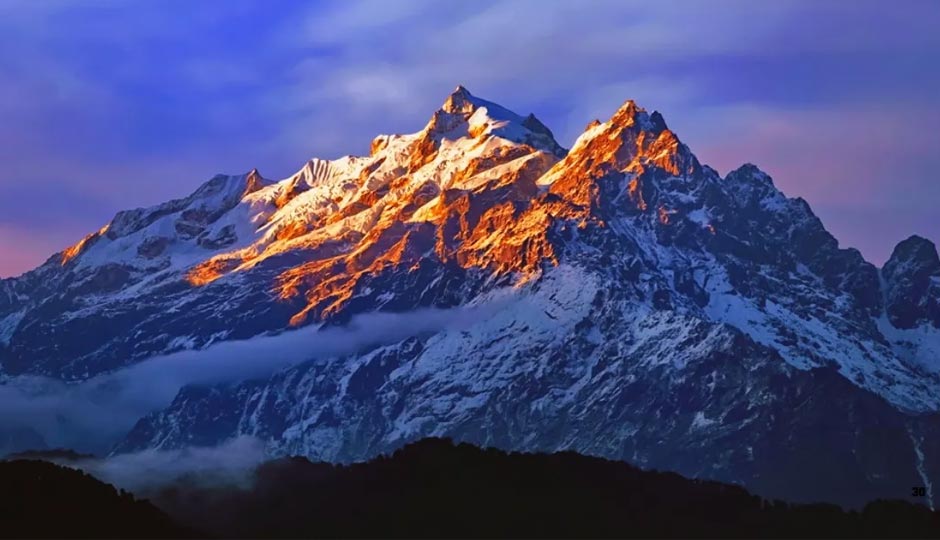
Kanchenjunga, proudly rising in the Sikkim Himalayas, is a sight to behold. Trekking here offers breathtaking views, diverse wildlife, and a glimpse into the region’s natural and cultural richness. The mountain’s striking ridgeline and sacred aura make it truly captivating.
Location: Sikkim–Nepal border
Height: 8,586 meters (3rd highest in the world)
Significance: Known as the “Five Treasures of Snow,” it holds deep spiritual importance
Things to Do:
Trek to Goecha La for stunning views
Visit Kanchenjunga National Park (UNESCO site)
Explore traditional villages like Yuksom
Best Time to Visit: March to May, September to November
How to Reach:
Air: Bagdogra Airport → taxi/shared jeep to Yuksom
Train: New Jalpaiguri → road to Yuksom
Road: Well-connected from Gangtok, Darjeeling, Siliguri
Tip: Acclimatize properly for high-altitude trekking
# Kamet Peak
Kamet Peak, located in Uttarakhand’s Garhwal Himalayas, is among India’s highest mountains and the tallest in the Zanskar range of the region. Its remote location adds to its challenging and adventurous appeal.
Location: Uttarakhand
Height: 7,756 meters
Significance: Second-highest peak in the Garhwal region
Things to Do:
Trek via the Vasundhara Falls route
Visit Mana Village, the last village near Tibet
Best Time: May–June, September–October
How to Reach:
Air: Jolly Grant Airport → Joshimath
Train: Rishikesh → Joshimath
Road: Via NH7
Tip: Best suited for experienced trekkers
# Saltoro Kangri
Part of the Karakoram Range, Saltoro Kangri is known for its rugged beauty and strategic importance. Due to its location near the Siachen Glacier, access is highly restricted.
Location: Jammu & Kashmir
Height: 7,742 meters
Significance: Lies on the Saltoro Ridge near Siachen
Things to Do:
Limited trekking (restricted)
Explore nearby Nubra Valley
Best Time: Restricted access
How to Reach:
Air: Leh Airport
Road: Special expeditions with permits
Tip: Travel requires official permissions
# Mamostong Kangri
One of India’s highest and most remote peaks, Mamostong Kangri lies near the Siachen Glacier in the Karakoram range, known for its icy ridges and extreme terrain.
Location: Ladakh
Height: 7,516 meters
Significance: 48th highest peak globally
Things to Do:
Mountaineering expeditions
Visit Turtuk village for cultural experiences
Best Time: May–September
How to Reach:
Air: Leh Airport
Road: Via special permits
Tip: Requires advanced skills and permissions
# Trisul Peak
Named after Lord Shiva’s trident, Trisul is a group of three peaks in Uttarakhand’s Kumaon region, popular among trekkers for its scenic surroundings.
Location: Uttarakhand
Height: 7,120 meters
Significance: Sacred and visually striking
Things to Do:
Trek to Roopkund Lake
Visit Bedni and Ali Bugyal meadows
Best Time: May–June, September–October
How to Reach:
Air: Dehradun → Lohajung
Train: Kathgodam → Lohajung
Road: Via NH109
Tip: Go with experienced guides
# Abi Gamin
Located near the Indo-China border, Abi Gamin is a popular peak among mountaineers, often climbed along with Kamet.
Location: Uttarakhand
Height: 7,355 meters
Significance: Known for mountaineering routes
Things to Do:
High-altitude trekking and camping
Visit Badrinath and Valley of Flowers
Best Time: May–June, September–October
How to Reach:
Air: Dehradun → Joshimath
Train: Rishikesh → Joshimath
Road: Via NH7
Tip: Permits required for certain travelers
# Nanda Devi
Nanda Devi is India’s second-highest peak and a UNESCO-listed natural treasure, surrounded by pristine landscapes and rich biodiversity.
Location: Uttarakhand
Height: 7,816 meters
Significance: Highest peak entirely within India
Things to Do:
Trek to Nanda Devi East Base Camp
Explore Lata and Reni villages
Best Time: May–October
How to Reach:
Air: Dehradun → Joshimath
Train: Rishikesh → Joshimath
Road: Well-connected
Tip: Access is restricted to protect ecology
# Hardeol
Known as the “Temple of God,” Hardeol lies in the Kumaon Himalayas and offers stunning views of glaciers and alpine meadows.
Location: Uttarakhand
Height: 7,151 meters
Significance: One of the oldest Himalayan peaks
Things to Do:
Trek to Pindari Glacier
Camping and photography
Best Time: May–June, September–October
How to Reach:
Air: Pantnagar → Loharkhet
Train: Kathgodam → Loharkhet
Road: Via Bageshwar
# Anamudi Peak
The highest peak in South India, Anamudi is located in Kerala’s Western Ghats and is rich in biodiversity.
Location: Kerala
Height: 2,695 meters
Significance: Highest in South India
Things to Do:
Trek through Eravikulam National Park
Spot wildlife like Nilgiri Tahr
Best Time: November–May
How to Reach:
Air: Cochin Airport → Munnar
Train: Aluva → Munnar
Road: Via NH85
Tip: Entry may require permission
# Doddabetta Peak
Situated in the Nilgiris near Ooty, Doddabetta offers panoramic views and is easily accessible, making it a favorite among tourists.
Location: Tamil Nadu
Height: 2,637 meters
Significance: Highest peak in the Nilgiris
Things to Do:
Visit telescope house
Explore tea estates and nature trails
Best Time: October–March
How to Reach:
Air: Coimbatore → Ooty
Train: Mettupalayam → Ooty
Road: Via NH181