10 Historical Monument Sites To Visit In Karnataka
By: Priyanka Maheshwari Fri, 04 Sep 2026 11:04:25
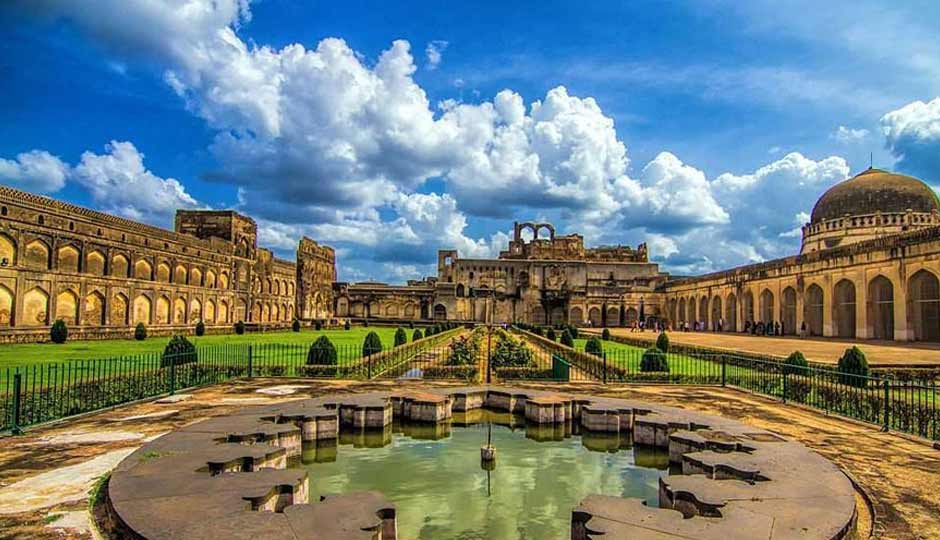
Karnataka is a fascinating destination where breathtaking landscapes, diverse flora and fauna, and a rich historical legacy come together. The state has been ruled by some of the most powerful dynasties in Indian history, leaving behind an extraordinary collection of forts, temples, palaces, monuments, and archaeological treasures. For history buffs, archaeology enthusiasts, culture lovers, and travelers from across the world, Karnataka offers an unforgettable journey through India’s glorious past. The region has also witnessed human habitation since the Paleolithic Age, adding another fascinating layer to its historical significance.
Over the centuries, Karnataka has been governed by several influential dynasties, including the Nandas, Mauryas, Satavahanas, Kadambas, Western Gangas, Badami Chalukyas, Rashtrakutas, and Cholas. Each dynasty contributed to the region’s architectural, cultural, and artistic heritage. As a result, Karnataka is dotted with magnificent historical landmarks that continue to tell stories of powerful rulers, royal traditions, ancient civilizations, and remarkable craftsmanship.
1. Gol Gumbaz
Located in Vijayapura, Gol Gumbaz, also known as Gol Gumbad, is the magnificent mausoleum of Muhammad Adil Shah, the ruler of the Bijapur Sultanate. Famous for its enormous dome, the monument is considered one of the largest masonry domes in the world and ranks among the most remarkable historical attractions in Karnataka.
One of Gol Gumbaz’s most fascinating features is its Whispering Gallery, where even the faintest sound can travel across the chamber and be heard from the opposite side. The monument showcases impressive Indo-Islamic architecture and is sometimes compared to the Taj Mahal because of its imposing appearance and dark stone construction, earning it the nickname “Black Taj Mahal.”
The central chamber, covering approximately 1,700 square metres, is particularly impressive and demonstrates the extraordinary engineering skills of its builders.
Best Time to Visit: November to February, when the weather is pleasant and cooler.
Timings: 10:00 AM to 5:00 PM.
Entry Fee: Approximately ₹20 for Indian visitors and ₹200 for foreign tourists.
How to Reach: Gol Gumbaz is located in Vijayapura and is easily accessible by road and rail. Hubli Airport is the nearest major airport, approximately 200 km away.
Why Visit: To admire the massive dome, explore the magnificent Indo-Islamic architecture, and experience the unique acoustics of the Whispering Gallery.
Things to Do: Explore Gol Gumbaz, experience its remarkable acoustics, and visit other nearby monuments such as Ibrahim Rauza.
Tips:
Spend some time inside the Whispering Gallery to experience its extraordinary acoustics.
Hiring a local guide can make the visit more interesting by providing historical insights and architectural details.
2. Badami Caves, Bagalkot
The Badami Caves are a spectacular group of four rock-cut temple caves situated in Karnataka’s Bagalkot district. Originally known as Vatapi, Badami flourished under the Chalukya rulers during the 6th century and became an important centre of art, culture, and architecture.
Carved into the red sandstone cliffs surrounding Agastya Lake, the caves showcase remarkable sculptures and intricate carvings. The first three caves are dedicated primarily to Hindu traditions, featuring representations of Lord Shiva and Lord Vishnu, while the fourth cave is dedicated to Jainism and contains an impressive image of Lord Mahavira.
The combination of natural rock formations, ancient sculptures, and sophisticated architectural techniques makes the Badami Caves an exceptional destination for history and heritage lovers. The site also forms part of the larger Chalukyan heritage circuit along with Pattadakal and Aihole.
Best Time to Visit: October to March.
Timings: 9:00 AM to 6:00 PM.
Entry Fee: Approximately ₹25 for Indian visitors and ₹300 for foreign tourists.
How to Reach: Badami is well connected by road and rail. Hubli Airport is the nearest major airport, around 100 km away.
Why Visit: The caves offer a remarkable glimpse into 6th-century rock-cut architecture and feature exquisite sculptures associated with Hindu and Jain traditions.
Things to Do: Explore the four caves, visit Badami Fort, and enjoy the scenic surroundings of Agastya Lake.
Tips:
Wear comfortable footwear because the area involves climbing and walking.
Carry water, sunscreen, and a hat, particularly when visiting during the warmer hours.
3. Bijapur (Vijayapura)
Bijapur, officially known as Vijayapura, is one of North Karnataka’s most important historical destinations. The city is particularly famous for Gol Gumbaz and its impressive collection of monuments reflecting the architectural legacy of the Adil Shahi dynasty.
Gol Gumbaz dominates the cityscape with its enormous dome and remains one of India’s most remarkable examples of medieval engineering. Beyond Gol Gumbaz, Bijapur is home to several other fascinating historical landmarks, including Ibrahim Rauza, Jama Masjid, Bara Kaman, Malik-e-Maidan, and Shivagiri.
The city is also an excellent base for exploring several lesser-known heritage attractions in northern Karnataka.
Best Time to Visit: November to February.
Major Attractions: Jama Masjid, Ibrahim Rauza, Bara Kaman, Gol Gumbaz, and Malik-e-Maidan.
How to Reach: Vijayapura is well connected by road and rail. Hubli Airport is the nearest major airport.
Why Visit: Bijapur is a treasure trove of Indo-Islamic architecture and offers an opportunity to explore the fascinating history of the Adil Shahi rulers.
Things to Do: Explore the historic monuments, visit Bijapur Fort, admire the architecture, and sample the region’s local cuisine.
Tips:
Set aside at least a full day to explore the city’s major monuments.
Avoid the peak summer months, as temperatures can be quite high.
4. Srirangapatna
Situated on an island formed by the Kaveri River, Srirangapatna is one of Karnataka’s most historically significant towns. The destination is particularly famous for the Ranganathaswamy Temple and its association with the legendary ruler Tipu Sultan.
The Ranganathaswamy Temple is dedicated to Lord Vishnu in his reclining form, Ranganatha, and is considered one of the important temples of the Pancharanga Kshetrams. The presiding deity is known as Adi Ranga, as the temple is regarded as the first of the five major Ranganatha temples situated along the Kaveri River.
Inside the temple, the magnificent reclining image of Lord Vishnu rests on the serpent Adishesha. The temple complex also houses shrines dedicated to deities including Narasimha, Garuda, Gopalkrishna, and Hanuman.
Srirangapatna is also home to several sites connected with Tipu Sultan, including Daria Daulat Bagh, Tipu Sultan’s Summer Palace, and the historic fort.
Best Time to Visit: October to March.
Timings: Generally 9:00 AM to 6:00 PM for major attractions; temple timings may vary.
Entry Fee: Temple entry is generally free; individual heritage attractions may have separate entry charges.
How to Reach: Srirangapatna is located around 16 km from Mysuru and is easily accessible by road and rail.
Why Visit: The town combines religious heritage, royal history, impressive architecture, and beautiful Kaveri River landscapes.
Things to Do: Visit Ranganathaswamy Temple, explore Tipu Sultan’s palace and fort, visit Daria Daulat Bagh, and enjoy the scenery around the Kaveri River.
Tips:
Combine Srirangapatna with a trip to Mysuru for a complete heritage experience.
Consider visiting Sangam, where the rivers converge, for a scenic experience.
5. Mysore (Mysuru)
Mysuru, popularly known as the “City of Palaces,” holds a special place in Karnataka’s royal and cultural history. Once the seat of the Wadiyar dynasty, the city is renowned for its magnificent palaces, traditional art, silk sarees, sandalwood products, yoga traditions, and grand festivals.
The spectacular Mysore Palace is undoubtedly the city’s most famous attraction. Its lavish interiors feature ornate decorations, elaborate paintings, stained-glass windows, intricately designed ceilings, and magnificent halls that reflect the grandeur of the former royal family.
The palace becomes especially spectacular during the Dussehra celebrations and on selected evenings when it is illuminated, creating one of Mysuru’s most iconic sights.
Best Time to Visit: October during the Dussehra festival or November to March for pleasant weather.
Timings: Mysore Palace – generally 10:00 AM to 5:30 PM; timings may vary on special occasions.
Entry Fee: Entry charges vary and should be checked before visiting.
How to Reach: Mysuru is well connected by road and rail and has its own airport. Bengaluru Airport also provides convenient access.
Why Visit: Mysuru offers a wonderful combination of royal heritage, magnificent architecture, cultural traditions, and vibrant festivals.
Things to Do: Explore Mysore Palace, visit museums, climb Chamundi Hill, explore Brindavan Gardens, and discover the city’s traditional markets.
Tips:
Visit the palace in the evening when it is beautifully illuminated.
If visiting during Dussehra, plan well in advance because the city attracts large crowds.
Include Chamundi Hills and Brindavan Gardens in your itinerary.
6. Gomateshwara, Shravanabelagola
Karnataka’s rich heritage extends beyond royal palaces and ancient forts. Shravanabelagola is a spectacular example of the state’s Jain heritage and is home to the famous 57-foot-tall monolithic statue of Gomateshwara, also known as Bahubali.
Carved from a single block of stone, the monumental statue stands atop Vindhyagiri Hill and is considered one of the most impressive examples of ancient Indian sculpture. The site attracts pilgrims, history enthusiasts, architecture lovers, and travelers from around the world.
The most celebrated ceremony here is the Mahamastakabhisheka, a grand ritual performed once every 12 years. During the ceremony, the enormous statue is ceremonially bathed with sacred substances, creating a spectacular religious and cultural experience.
Best Time to Visit: October to March.
Timings: Approximately 6:30 AM to 11:30 AM and 3:30 PM to 6:30 PM, subject to local schedules.
Entry Fee: Generally free.
How to Reach: Shravanabelagola is around 150 km from Bengaluru and is accessible by road and rail.
Why Visit: To see one of the world’s most remarkable monolithic statues and experience an important centre of Jain heritage.
Things to Do: Climb Vindhyagiri Hill, admire the Gomateshwara statue, explore Chandragiri Hill, and learn about Jain history and architecture.
Tips:
Be prepared for a climb of several hundred steps.
Carry water and wear comfortable footwear.
If you wish to witness the Mahamastakabhisheka, plan your visit well in advance because the ceremony is held only once every 12 years.
7. Pattadakal Monuments
Pattadakal is one of Karnataka’s most significant heritage destinations and an important centre of Chalukyan architecture. The monuments here, dating primarily from the 7th and 8th centuries, showcase an extraordinary blend of architectural traditions from northern and southern India.
Pattadakal was an important ceremonial centre of the Chalukyas and is associated with royal coronations and other significant events. The temple complex features magnificent structures decorated with elaborate sculptures, intricate carvings, and mythological scenes.
Among the most notable monuments are the Virupaksha Temple and Mallikarjuna Temple, commissioned by the queens of Vikramaditya II to celebrate his victories over the Pallavas. The Virupaksha Temple, originally known as Lokeshwara, is particularly admired for its detailed craftsmanship.
Best Time to Visit: October to March.
Timings: Approximately 6:00 AM to 6:00 PM.
Entry Fee: Entry charges may vary for Indian and foreign visitors.
How to Reach: Pattadakal is located in Bagalkot district, approximately 20 km from Badami, and is easily accessible by road.
Why Visit: Pattadakal is a UNESCO World Heritage Site renowned for its exceptional Chalukyan temples and fusion of northern and southern architectural styles.
Things to Do: Explore the temple complex, study the intricate carvings, admire the sculptures, and visit nearby Aihole and Badami.
Tips:
Combine Pattadakal with Badami and Aihole to explore the complete Chalukyan heritage circuit.
Consider hiring a guide to better understand the symbolism and architectural details.
8. Halebidu
Located in Karnataka’s Hassan district, Halebidu is one of the state’s finest examples of Hoysala architecture. The city served as the capital of the Hoysala Empire during the 12th century and developed into an important centre of art, architecture, and culture.
The town’s temples are famous for their incredibly detailed stone carvings depicting gods, goddesses, animals, dancers, warriors, mythological stories, and scenes from everyday life. The Hoysaleshwara Temple and Kedareshwara Temple are among the most important attractions.
The extraordinary craftsmanship of these temples makes Halebidu a must-visit destination for anyone interested in Indian history, architecture, sculpture, and heritage.
Best Time to Visit: October to March.
Timings: Generally 10:00 AM to 5:00 PM for major monuments.
Entry Fee: Generally free for the main temple complex.
How to Reach: Halebidu is located close to Hassan and is well connected by road.
Why Visit: To witness some of the finest examples of Hoysala temple architecture and intricate stone sculpture.
Things to Do: Explore Hoysaleshwara Temple, visit Kedareshwara Temple, admire the detailed carvings, and combine the trip with nearby Belur.
Tips:
Pair Halebidu with Belur for a complete Hoysala heritage experience.
Photography enthusiasts will find countless architectural details worth capturing.
9. Hassan
Hassan is an important heritage destination in Karnataka and serves as a convenient base for exploring some of the state’s most remarkable Hoysala monuments. The city’s name is traditionally associated with the Hindu goddess Hasanamba, whose temple is an important local attraction.
Hassan and its surrounding region are home to numerous ancient temples showcasing remarkable craftsmanship. The area also features Jain temples, historic churches, and scenic landscapes, offering travelers a varied cultural experience.
Nearby destinations such as Belur and Halebidu make Hassan particularly appealing to travelers interested in architecture and history. The historic Shettihalli Church and the scenic Gorur Dam are additional attractions worth exploring.
Best Time to Visit: October to March.
Major Attractions: Hasanamba Temple, Hoysala temples, Shettihalli Church, and Gorur Dam.
How to Reach: Hassan is well connected by road and rail. Bengaluru Airport is the nearest major airport, approximately 185 km away.
Why Visit: Hassan provides easy access to some of Karnataka’s greatest Hoysala architectural treasures while also offering its own collection of cultural and historical attractions.
Things to Do: Explore Belur and Halebidu, visit Hasanamba Temple, see Shettihalli Church, and enjoy the scenic surroundings.
Tips:
Staying in Hassan is convenient if you plan to explore Belur and Halebidu.
Shettihalli Church is particularly picturesque during and after the monsoon season.
10. Somnathpur
Somnathpur, located near Mysuru, is home to the magnificent Keshava Temple, also known as the Prasanna Chennakesava Temple. Built in the 13th century during the Hoysala period, the temple is celebrated for its extraordinary architecture and intricate stone sculptures.
Dedicated to Lord Vishnu, the temple showcases the exceptional craftsmanship associated with Hoysala architecture. Its walls, pillars, ceilings, and exterior surfaces are adorned with finely detailed carvings depicting deities, dancers, musicians, animals, and scenes from Hindu mythology.
The remarkable level of detail makes Somnathpur an ideal destination for architecture enthusiasts, photographers, history lovers, and anyone fascinated by India’s artistic heritage.
Best Time to Visit: November to February.
Timings: Generally 9:00 AM to 5:30 PM.
Entry Fee: Entry charges may vary and should be checked before visiting.
How to Reach: Somnathpur is approximately 35 km from Mysuru and is easily accessible by road.
Why Visit: The Keshava Temple is an outstanding example of Hoysala architecture and is renowned for its intricate sculptures and exceptional craftsmanship.
Things to Do: Explore the temple complex, admire its detailed carvings, photograph the architectural elements, and learn about the history of the Hoysala dynasty.
Tips:
Hiring a knowledgeable guide can help you understand the stories and symbolism behind the temple’s sculptures.
Visit early in the day for a quieter and more comfortable experience.