
10 Places You Can Explore In North East India In March
By: Priyanka Maheshwari Thu, 05 Mar 2026 11:04:23
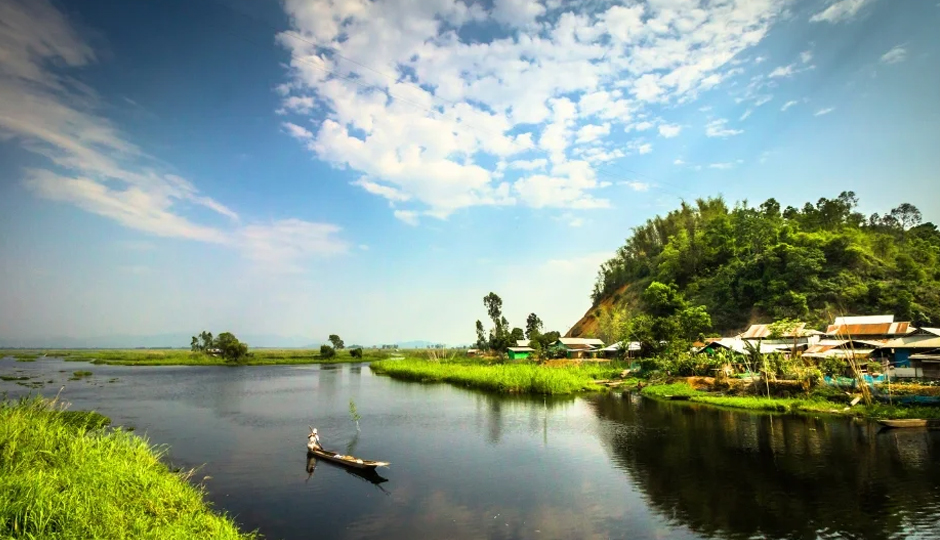
March is a wonderful time to explore North East India, as the region welcomes spring with pleasant temperatures and relatively dry weather. This makes it perfect for discovering its diverse landscapes and cultural richness. From the lush tea gardens of Assam to the misty mountains of Arunachal Pradesh, the region offers a blend of natural beauty and vibrant traditions. Festivals such as the Yaoshang Festival in Manipur and the Aoling Festival celebrated by the Konyak tribe in Nagaland provide visitors with an immersive cultural experience.
Adventure seekers will also find plenty to enjoy during this time. Sikkim and Meghalaya are known for their scenic trekking trails and fascinating caves, while the mighty Brahmaputra River offers exciting river rafting opportunities. March truly unveils a wide range of experiences that highlight the charm and diversity of North East India.
During March, North East India transitions from winter to spring, bringing comfortable weather across the region. Temperatures generally range between 15°C and 25°C, making it ideal for sightseeing and outdoor activities. The weather is mostly dry with clear skies and cool evenings. However, higher altitude destinations like Tawang may still experience colder conditions and occasional snowfall. Overall, the mild climate creates excellent conditions for exploring the region’s natural and cultural attractions.
# Nathula Pass, Sikkim
Once a significant part of the ancient Silk Route, Nathula Pass stands at an altitude of around 14,450 feet and is one of the most popular attractions near Gangtok. Located a few hours’ drive from the capital city, the pass offers breathtaking mountain views and a refreshing escape from the hustle of urban life. Visitors often hire taxis to reach this high-altitude pass, which is also known for its dramatic roads and the rare opportunity to glimpse the border with China.
# Kaziranga National Park, Assam
A UNESCO World Heritage Site, Kaziranga National Park is renowned for its thriving population of the one-horned Indian rhinoceros. The park’s landscape is a mix of dense forests, tall elephant grass, and wetlands, making it one of India’s most significant biodiversity hotspots. Visitors can explore the park through four designated safari circuits, each offering unique wildlife sightings and scenic experiences.
# Tsomgo Lake, Sikkim
Also known as Changu Lake, Tsomgo Lake sits at an altitude of about 12,400 feet and is surrounded by rugged mountain terrain. The lake changes its appearance with the seasons—while spring brings blooming flowers along its banks, winter often freezes the lake completely. A yak ride around the lake is a popular activity among tourists and adds a memorable touch to the visit.
# Tawang Monastery, Arunachal Pradesh
Tawang Monastery, also called Golden Namgyal Lhatse, is the largest monastery in India and the second largest in the world. Located at an elevation of around 10,000 feet, it offers stunning panoramic views of the Tawang River Valley. The monastery complex includes residential quarters for monks, temples, a library, a school, and a cultural study center, making it an important spiritual and cultural landmark.
# Ziro Valley, Arunachal Pradesh
Ziro Valley is a picturesque destination surrounded by rolling hills and lush greenery. It is home to the Apatani tribe, known for their distinctive culture and traditions. Apart from its natural beauty, Ziro Valley offers several trekking routes and opportunities to experience the unique lifestyle of the local tribal communities.
# Goechala, Sikkim
Goechala is one of the most scenic trekking routes in the Himalayas. This multi-day trek rewards adventurers with spectacular views of around 14 Himalayan peaks, including the majestic Mt. Kanchenjunga. Along the journey, trekkers pass through beautiful landscapes featuring the Teesta River, rhododendron forests, and charming mountain trails.
# Cherrapunji and Mawsynram, Meghalaya
Cherrapunji and Mawsynram are globally known as two of the wettest places on Earth. Located about 80 km apart, these destinations receive extremely high annual rainfall and are blessed with lush greenery, waterfalls, and dramatic landscapes. The surrounding hills also offer several trekking trails and breathtaking viewpoints.
# Mawlynnong Village, Meghalaya
Mawlynnong Village is often referred to as the cleanest village in Asia and is celebrated for its strong emphasis on cleanliness and sustainable living. Surrounded by natural beauty, the village offers a peaceful atmosphere and charming views. Its well-maintained pathways, bamboo structures, and scenic surroundings make it a favorite among travelers exploring Meghalaya.
# Pelling, Sikkim
Pelling is one of the most popular tourist destinations in Sikkim after Gangtok. The town offers spectacular views of the majestic Kanchenjunga Peak and is known for its monasteries, scenic viewpoints, and trekking routes. Adventure enthusiasts can also enjoy activities like mountain biking and nature walks here.
# Majuli, Assam
Majuli, often regarded as the cultural heart of Assam, is the world’s largest river island located on the Brahmaputra River. The island is home to vibrant tribal communities and unique cultural traditions. Known for its lush landscapes and peaceful surroundings, Majuli is also famous for its Vaishnavite monasteries (Satras) and is a perfect destination for a relaxing getaway.