
10 Tips To Manage Indoor Humidity
By: Priyanka Maheshwari Tue, 09 Jun 2026 11:29:47
When rain falls outside, the world feels cleaner and refreshed. Inside our homes, however, the experience can be quite different. Windows remain closed for longer periods, clothes take more time to dry, corners begin to feel damp, and a faint musty odour often appears unexpectedly.
This is a common seasonal change that many households experience during the monsoon, yet few people stop to consider its impact on the air quality inside their homes.
Understanding the Risks of Monsoon Humidity
While the monsoon season offers welcome relief from intense summer heat, it also brings a significant rise in indoor humidity. When humidity levels exceed 70–80 percent, homes can become ideal breeding grounds for microorganisms such as mould, dust mites, and airborne bacteria.
Prolonged exposure to these contaminants can affect respiratory health, potentially triggering allergies, worsening asthma and rhinitis symptoms, and increasing the risk of fungal infections in susceptible individuals. Beyond health concerns, excess moisture can also damage walls, furniture, fabrics, and other household belongings.
In simple terms, the monsoon challenge goes beyond damp walls and unpleasant smells. Elevated indoor humidity can directly affect the quality of the air you and your family breathe every day, particularly when moisture remains trapped indoors for extended periods.
Excess moisture indoors is one of the biggest challenges during the monsoon season. If left unchecked, it can lead to mould growth, musty odours, and poor indoor air quality. Here are some simple ways to keep indoor dampness under control:
1. Improve Ventilation
Open windows and doors whenever the weather allows to encourage airflow. Use exhaust fans in kitchens and bathrooms to remove excess moisture generated from cooking and bathing.
2. Use a Dehumidifier
A dehumidifier helps remove excess moisture from the air and keeps humidity levels in a comfortable range. This can significantly reduce the chances of mould and mildew growth.
3. Dry Clothes Properly
Avoid drying clothes indoors whenever possible. If you must dry them inside, place them near a well-ventilated area or use a fan to speed up the drying process.
4. Fix Leaks Immediately
Leaking pipes, roofs, and taps can add unnecessary moisture to your home. Regularly inspect your home for leaks and repair them promptly.
5. Keep Furniture Away From Walls
Leaving a small gap between furniture and walls allows air to circulate freely and prevents moisture from becoming trapped behind large items.
6. Let Sunlight In
Whenever there is sunshine between rainy spells, open curtains and allow natural light to enter. Sunlight helps reduce dampness and discourages mould growth.
7. Use Moisture Absorbers
Products such as silica gel, activated charcoal, or moisture-absorbing crystals can help reduce humidity in wardrobes, cabinets, and other enclosed spaces.
8. Clean Damp Areas Regularly
Wipe down wet surfaces and clean areas prone to moisture accumulation. Regular cleaning can prevent mould spores from taking hold.
9. Avoid Overwatering Indoor Plants
Indoor plants release moisture into the air. During humid months, avoid excessive watering and ensure pots have proper drainage.
10. Monitor Indoor Humidity
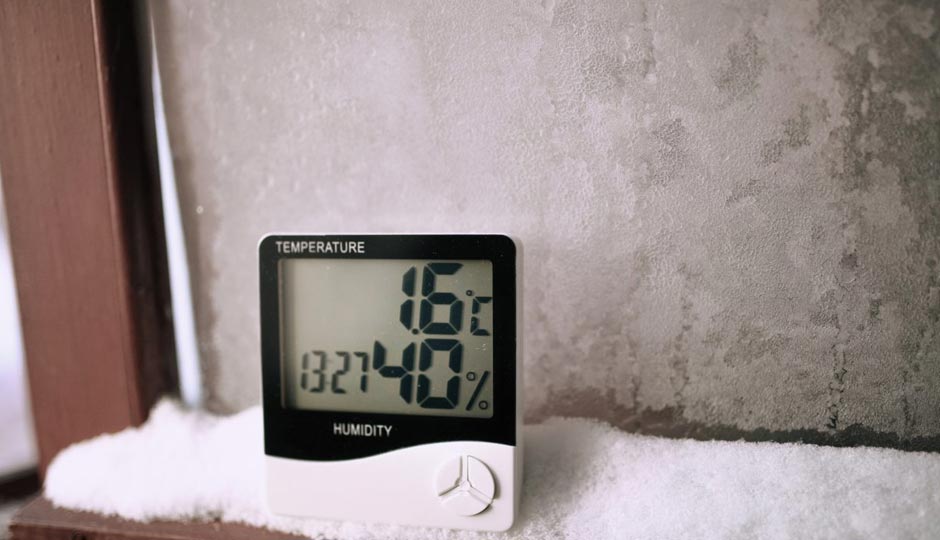
Use a hygrometer to track indoor humidity levels. Ideally, humidity should remain between 40% and 60% for a comfortable and healthy indoor environment.