6 Kitchen Items You Should Never Put In Microwave
By: Priyanka Maheshwari Sat, 06 Jun 2026 12:27:07
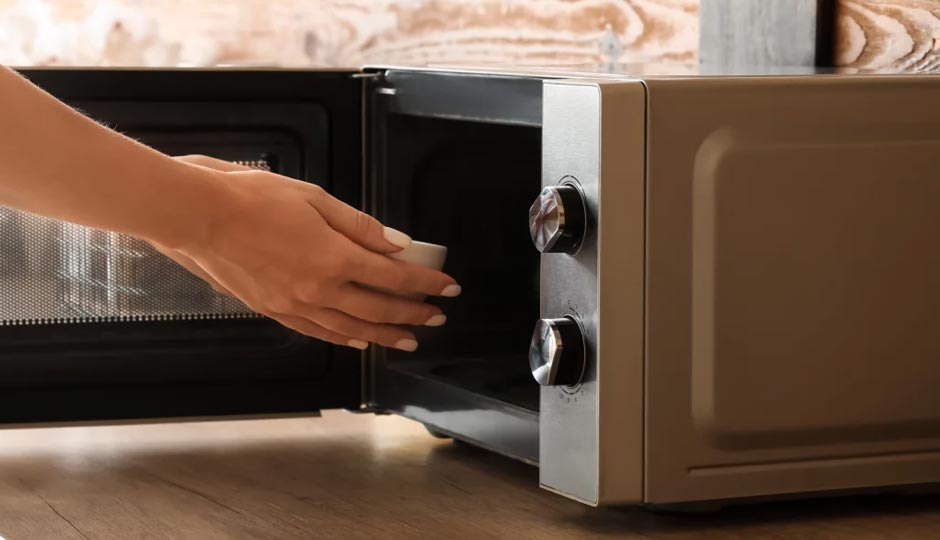
The microwave is one of the most convenient kitchen appliances ever invented. It’s quick, efficient, and often feels like magic when you need a hot meal in minutes. We’ve all opened the refrigerator searching for leftovers that can be transformed into a steaming, satisfying meal with the push of a button.
But imagine this: you're about to reheat your leftover biryani and, in a moment of hunger-fueled distraction, you forget to remove the spoon from the container. Seconds later, sparks start flying inside the microwave like a miniature fireworks display.
That’s because metal and microwaves are a dangerous combination. Metal can create sparks, damage the appliance, and even start a fire. So, unless you're intentionally putting on a light show, keep metal objects far away from your microwave.
While microwave ovens make cooking and reheating incredibly easy, not everything belongs inside them. Some items can damage the appliance, contaminate your food, or create serious safety hazards. Here are six things you should never put in a microwave.
# Aluminum Foil
Most people know that metal should not go into a microwave, but aluminum foil is often overlooked. When exposed to microwave energy, foil can cause sparks, arcing, and even fires. According to the U.S. Food and Drug Administration (FDA), metal objects, including aluminum foil, can interfere with microwave operation and create dangerous electrical discharges. To stay safe, always keep foil out of the microwave.
# Plastic Containers That Aren’t Microwave-Safe
Not all plastic containers are designed to withstand microwave heat. Some plastics can break down when heated and release potentially harmful chemicals into food. Research published in Environmental Health Perspectives suggests that certain plastics may leach endocrine-disrupting substances when exposed to high temperatures. Always check for a "microwave-safe" label before heating food in plastic containers, and avoid plastics marked with recycling codes #3 (PVC) and #7 (polycarbonate-containing products).
# Styrofoam Containers
Styrofoam may be convenient for takeout meals, but it is not suitable for microwave use. High temperatures can cause it to melt or break down, potentially releasing chemicals into your food. The U.S. Environmental Protection Agency (EPA) has identified styrene, a component of Styrofoam, as a possible human carcinogen. For safer reheating, transfer food to microwave-safe glass or ceramic dishes.
# Eggs in Their Shells
Heating a whole egg in its shell is a recipe for a messy explosion. As the egg heats up, steam builds inside the shell with nowhere to escape. Eventually, the pressure becomes too great, causing the egg to burst. Research published in the Journal of Food Science explains that this rapid pressure buildup makes microwaving eggs in their shells a significant safety risk.
# Hot Peppers
Microwaving hot peppers can release capsaicin-rich vapors into the air. These airborne compounds can irritate the eyes, nose, throat, and lungs when you open the microwave door. Studies published in the Journal of Analytical Toxicology warn that heating hot peppers in enclosed spaces can create an effect similar to exposure to pepper spray, causing discomfort and respiratory irritation.
# Metal Objects
Metal reflects microwave energy instead of absorbing it. Objects with sharp edges or pointed surfaces are especially problematic because they can create electrical arcs, resulting in sparks and potential fires. In addition to damaging the microwave, metal items can become extremely hot, creating burn hazards and potentially releasing harmful substances if coated or treated with certain materials.