
- Home›
- Technology›
- SpaceX Is Now Public: Key Things To Know After The IPO
SpaceX Is Now Public: Key Things To Know After The IPO
By: Priyanka Maheshwari Tue, 16 Jun 2026 1:23:33
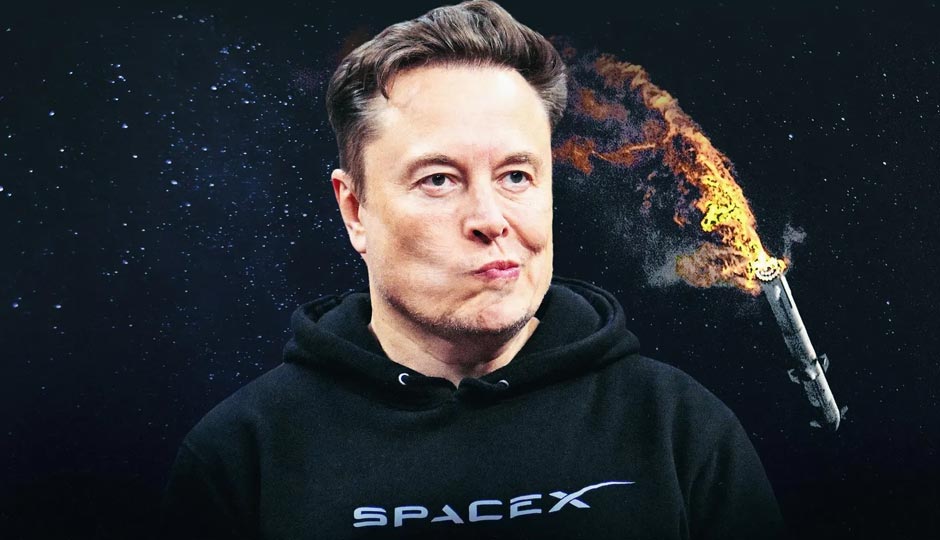
SpaceX has drawn sustained attention from the media, investors, and the public for years, driven by its reusable rocket technology, the rapid expansion of its Starlink satellite network, and, of course, the influence of founder and CEO Elon Musk.
However, nothing in its 24-year history compares to its initial public offering. Interest surged to unprecedented levels, likely fueled by the scale of the listing. The company priced 555.6 million shares at $135 each, raising $75 billion—marking the largest IPO in history and reportedly making Musk the world’s first trillionaire.
TechCrunch has tracked SpaceX from its early beginnings through its struggles and breakthroughs, and will continue covering what comes next. This page serves as a central hub for all major SpaceX IPO updates, including key developments now that the company is publicly traded.
SpaceX is now public — what comes next?
On its first full trading day, SpaceX shares continued their upward momentum. By 2:30 p.m. ET, the stock had climbed more than 15%, reaching $186.15.
Latest updates on the SpaceX IPO
SpaceX shares debuted on June 12 at $150 on the Nasdaq, marking an 11% surge for one of the most anticipated listings in history. Momentum carried forward throughout the day, with intraday gains reaching as high as 30%, before closing at $160.95—up 19%.
Trading activity was exceptionally heavy, as expected. Robinhood reported record traffic shortly after SpaceX’s public market debut, reflecting intense retail investor interest.
During a CNBC interview on June 12, SpaceX COO Gwynne Shotwell made a notable remark suggesting that a potential merger between SpaceX and Tesla could simplify Elon Musk’s responsibilities—an idea that quickly drew attention from investors.
Among the biggest beneficiaries of the IPO are the underwriting banks, which collectively earned around $500 million in fees, with Goldman Sachs and Morgan Stanley leading the group, according to the WSJ.
Elon Musk also took to X to express appreciation for SpaceX employees as shares rose, posting that he “loves the incredible people of SpaceX beyond words.” He also shared posts referencing the “green shoe” option—an IPO mechanism allowing underwriters to issue additional shares if demand is strong.
Tracking the SpaceX IPO
Given the scale of the offering, a significant financial infrastructure supports the listing. SpaceX now trades on Nasdaq, where official pricing and updates are being published in real time. Live coverage from outlets like Bloomberg and CNBC continues to track developments, including early trading dynamics and any market volatility.
The SpaceX IPO by the numbers
The S-1 filing revealed striking financial figures. SpaceX reported a loss of $4.9 billion on revenues exceeding $18 billion in 2025, contributing to cumulative losses of more than $37 billion since its founding.
Elon Musk holds roughly 85.1% of the company’s voting power, underscoring his dominant control over corporate decisions.
Another notable figure: approximately 4,400 SpaceX employees are expected to become millionaires following the IPO, according to reports.
Who benefits—and who doesn’t
The IPO has created significant wealth for select investors, employees, and especially Elon Musk. His stake has pushed his paper wealth beyond $1 trillion, reinforcing his position as one of the most influential figures in global tech and finance.
While Musk remains the primary beneficiary, other early investors and insiders have also seen substantial gains. However, the distribution of value remains highly concentrated.
Inside the S-1 filing
The IPO documentation offered an unusually detailed look into SpaceX’s operations, including its financial structure, Starlink business, and long-term ambitions.
The filing highlighted a company heavily dependent on Starlink, ongoing Starship development, and speculative future ventures, including potential ties to xAI. It also outlined persistent financial losses and warned of possible future dilution.
Pre-IPO deals and strategic moves
Ahead of its public debut, SpaceX secured several major commercial agreements, largely focused on compute capacity to strengthen its financial position.
These included multi-billion-dollar arrangements with firms such as Anthropic and Google, reflecting strong demand for its infrastructure and services.