Maha Navami- Why 9th Day Of Navratri Is Very Important
By: Priyanka Maheshwari Mon, 19 Oct 2026 11:17:27
Nine nights of fasting, prayers and devotion culminate in one day that devotees consider the pinnacle of the festival.
Maha Navami, the ninth day of Sharad Navratri, falls on Monday, October 19, according to the Delhi calendar. However, Durga Puja festivities in eastern India observe Maha Navami on October 20, a day before Vijayadashami. Regardless of the date followed by different regions, the significance of Maha Navami remains rooted in the fulfilment of devotion and the triumph of good over evil.
As the lunar tithis of Ashtami and Navami overlap this year, some calendars place the two observances close together. Devotees are advised to consult their local panchang or seek guidance from their family priest to determine the appropriate puja timings.
Maha Navami Significance: The Celebration of Victory
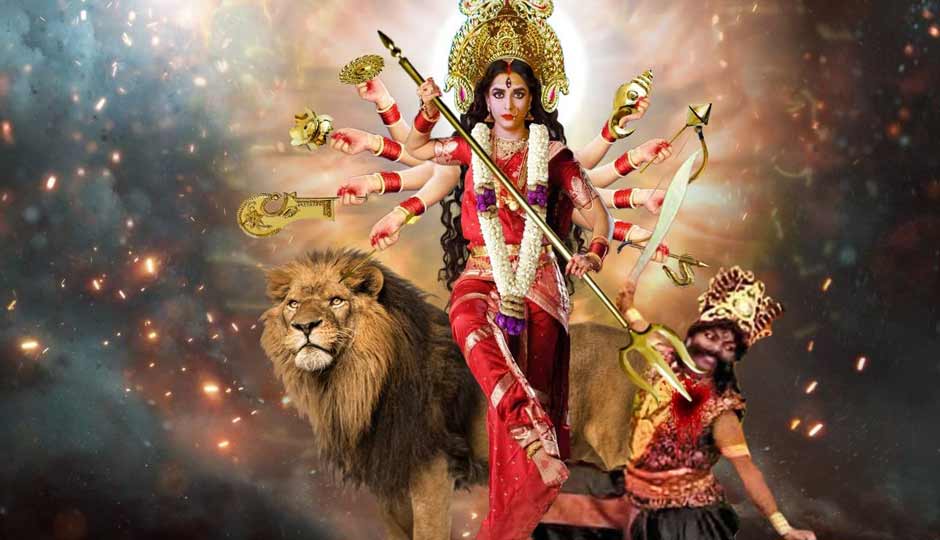
According to Hindu tradition, Maha Navami marks the culmination of Goddess Durga's battle against the buffalo demon Mahishasura. In Bengal, the story of the Goddess's fierce battle reaches a crucial moment during the transition between Ashtami and Navami. This period is observed through Sandhi Puja, a special ritual performed during a sacred 48-minute window. Although customs and interpretations differ across regions, the underlying message remains the same.
For devotees, the legend represents more than the defeat of a demon. It symbolises the victory of righteousness over evil and the triumph of inner strength over negative forces. Maha Navami is believed to be the day when the devotion and spiritual discipline practised over nine days reach their culmination. As the festival approaches its conclusion, prayers become an expression of faith, gratitude and spiritual fulfilment.
Maa Siddhidatri: The Goddess Who Bestows Blessings
On the ninth day of Navratri, devotees worship Maa Siddhidatri, the ninth manifestation of Goddess Durga. Her name means the giver of siddhis, or spiritual accomplishments. According to Hindu beliefs, she blesses her devotees with wisdom, spiritual growth and the eight siddhis described in yogic traditions. She is commonly depicted seated on a lotus, representing purity, enlightenment and spiritual attainment.
Her position at the end of the Navratri sequence holds special significance. While the preceding forms of the Goddess represent qualities such as courage, strength, discipline and perseverance, Maa Siddhidatri symbolises the completion of the spiritual journey.
For many devotees, the prayers offered on Maha Navami are less about seeking material benefits and more about expressing gratitude for divine blessings. This sense of fulfilment makes the ninth day a meaningful conclusion to the nine-day period of worship and devotion.
Kanya Puja: Nine Girls and the Blessings of the Goddess
One of the most popular rituals associated with Maha Navami is Kanya Puja, also known as Kanjak Puja. During this ceremony, young girls are worshipped as manifestations of the divine feminine energy of Goddess Durga. They are traditionally offered food, sweets and gifts as a gesture of respect and devotion.
Depending on family traditions and regional customs, Kanya Puja may be performed on Ashtami or Navami. The ritual reflects the belief that the Goddess's divine power resides in all forms of feminine energy.
Many households also conduct a Navami homa, a sacred fire ritual that marks the culmination of the nine days of worship. In several traditions, devotees recite the Durga Saptashati, a revered scripture describing the Goddess's battles against powerful demons and her restoration of cosmic balance.
For families who have observed fasting and maintained spiritual discipline throughout Navratri, these rituals offer a sense of peace, gratitude and completion as the festival draws to a close.
Ayudha Puja: Honouring Tools, Books and Instruments
In many parts of southern India, Maha Navami is celebrated as Ayudha Puja, a festival dedicated to worshipping tools, instruments and objects used in everyday life. Items such as books, vehicles, kitchen utensils, machinery and office equipment are cleaned, decorated and offered prayers as symbols of divine energy and prosperity.
The tradition recognises the importance of the objects and instruments that support people's livelihoods, education and daily responsibilities. In some households and workplaces, these items are set aside from regular use during the observance as a mark of respect.
Ayudha Puja is often celebrated alongside Saraswati Puja, dedicated to Goddess Saraswati, the deity of knowledge, wisdom and learning. Books, musical instruments and educational materials are placed before the Goddess to seek her blessings for intellectual growth and success.
The ritual conveys a meaningful message: the tools that help people earn a living and the instruments that expand their knowledge deserve respect and gratitude. By honouring these everyday essentials, devotees connect their spiritual beliefs with their work, learning and daily lives.