14 Amazing Benefits Of Besan For Skin And Hair
By: Priyanka Maheshwari Mon, 19 Oct 2026 11:14:07
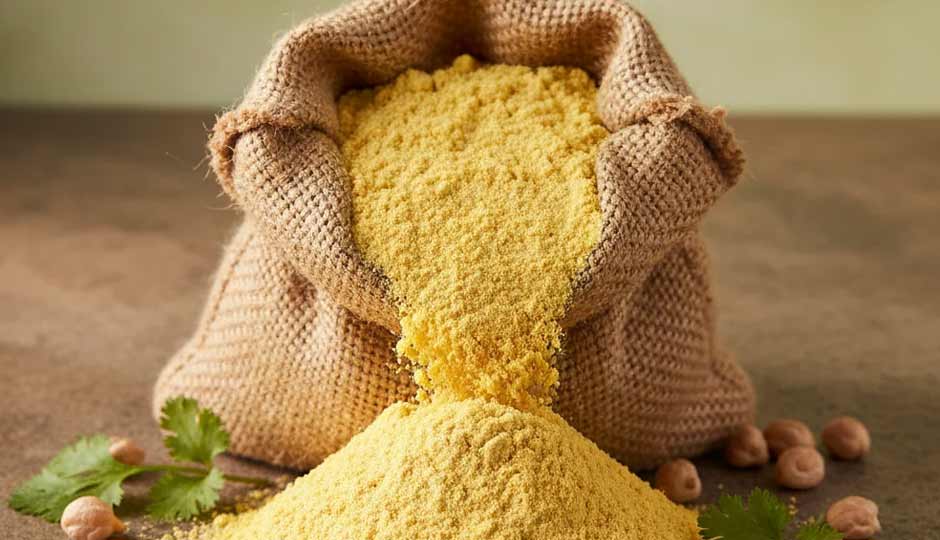
Besan, also known as gram flour or chickpea flour, is a popular natural ingredient used in Indian beauty and skincare routines for generations. Made from ground chickpeas, besan is widely used in homemade face packs, body scrubs, hair masks and traditional beauty treatments. It is an affordable and versatile ingredient that can be easily combined with other natural ingredients, such as curd, honey, milk, turmeric, aloe vera and rose water.
Rich in plant-based protein and containing nutrients such as iron, folate and several B vitamins, besan is primarily known for its cleansing and exfoliating properties when applied topically. It can help remove excess oil, loosen dead skin cells and leave the skin feeling smoother. When used carefully, it may also help improve the appearance of dull skin and oily roots.
Besan is equally popular in hair care, particularly in homemade hair masks designed to cleanse the scalp and remove excess oil. However, it is important to remember that many traditional beauty claims about besan have limited scientific evidence. It should be used gently, as excessive scrubbing or frequent application may cause dryness and irritation, especially in people with sensitive skin or scalps.
Let's explore the potential benefits of besan for skin and hair and learn how to incorporate it into your beauty routine.
Benefits of Besan for Skin
1. Helps Remove Dead Skin Cells
One of the most popular benefits of besan for skin is its ability to provide gentle physical exfoliation. When mixed with water, curd or another suitable ingredient, besan forms a paste that can help loosen dead skin cells from the skin's surface.
The gentle cleansing action may leave the skin feeling softer and smoother. Regular, careful exfoliation can also improve the appearance of rough patches caused by the accumulation of dead skin cells.
How to use: Mix one tablespoon of besan with enough water to make a smooth paste. Apply it to damp skin, gently massage without scrubbing hard and rinse thoroughly.
Avoid using this mixture on irritated, sunburned or inflamed skin.
2. Helps Control Excess Oil
Besan is often used in traditional skincare routines for oily skin because its powdery texture can absorb some surface oil during cleansing.
It may help reduce the greasy feeling that develops on the forehead, nose and chin. This can make the skin feel fresher, particularly during hot and humid weather.
How to use: Combine one tablespoon of besan with a little water to create a smooth paste. Apply a thin layer to oily areas, leave it on briefly and rinse before it dries completely.
Besan does not regulate the skin's natural oil production, so its effects are temporary. People with dry or combination skin should use it sparingly.
3. May Improve the Appearance of Dull Skin
Exposure to pollution, excess oil and dead skin cell buildup can make the skin appear dull. Besan may help improve the appearance of the skin by cleansing its surface and gently exfoliating accumulated dead cells.
After using a mild besan face pack, the skin may look fresher and feel smoother. However, besan does not bleach the skin or permanently change its natural complexion.
How to use: Mix one tablespoon of besan with enough rose water or plain water to form a paste. Apply it evenly, leave it on for around 5–10 minutes and rinse gently.
Follow with a moisturiser to help maintain the skin's moisture barrier.
4. Helps Cleanse the Skin
Besan can be used as a simple homemade cleanser to remove some surface oil, dirt and everyday impurities.
Its fine powder absorbs moisture and oil while the paste helps lift residue from the skin. This makes it a popular ingredient in traditional ubtan preparations used for facial and body cleansing.
How to use: Mix besan with water until it forms a smooth, spreadable paste. Massage it lightly onto damp skin and rinse with lukewarm water.
Although besan can support cleansing, it may not effectively remove waterproof sunscreen or heavy makeup. A suitable cleanser is a better choice for these purposes.
5. May Help Improve the Appearance of Uneven Skin Tone
Uneven skin tone can occur due to sun exposure, post-acne marks, hormonal changes and other causes. Besan is traditionally used in homemade face packs intended to improve the appearance of uneven skin.
Its exfoliating action may temporarily make the surface look smoother, but there is insufficient scientific evidence that besan itself fades pigmentation, dark spots or melasma.
How to use: Mix one tablespoon of besan with a small amount of plain yoghurt, provided your skin tolerates it. Apply for 5–10 minutes and rinse without rubbing.
For persistent pigmentation, daily broad-spectrum sunscreen and evidence-based skincare ingredients are more reliable options.
6. Can Make Skin Feel Softer and Smoother
Besan-based face packs can help remove surface residue and loosen dead skin cells, leaving the skin feeling smoother after rinsing.
When combined with a moisturising ingredient, such as a little honey, the mixture may also leave the skin feeling less rough. However, besan alone is not a moisturiser and can make the skin feel tight if left on for too long.
How to use: Mix one tablespoon of besan with a little honey and water. Apply a thin layer for 5–10 minutes and rinse gently.
Finish with a moisturiser suited to your skin type.
7. May Help Reduce the Appearance of Blackheads
Blackheads develop when hair follicles become clogged with oil and dead skin cells, with the material at the opening turning dark through oxidation.
Besan may help remove surface oil and exfoliate the outermost layer of dead skin cells. This can make pores feel cleaner, but it cannot reliably remove established blackheads or prevent all clogged pores.
How to use: Prepare a thin paste using besan and water. Apply it gently to areas prone to blackheads, such as the nose and chin, and rinse after a few minutes.
Avoid vigorous rubbing or trying to extract blackheads with a rough scrub. For persistent blackheads, salicylic acid products may be more effective.
8. May Help Improve the Appearance of Tanned Skin
Besan is a traditional ingredient in ubtan and other homemade preparations used to cleanse the skin after sun exposure.
By removing some dead skin cells and surface residue, it may temporarily make the skin appear brighter or more even. However, it does not remove a tan by reversing the effects of ultraviolet radiation, and excessive exfoliation can worsen irritation and pigmentation.
How to use: Mix besan with plain water and apply gently for a few minutes. Rinse and moisturise.
Use broad-spectrum SPF 30 or higher sunscreen to help prevent further tanning and sun damage.
Benefits of Besan for Hair
9. Helps Remove Excess Oil from the Scalp
Besan is sometimes used as a homemade scalp cleanser because it can absorb some surface oil. This may be helpful for people who experience greasy roots between washes.
When mixed with enough water to form a smooth paste, besan can be applied gently to the scalp to help loosen oily residue.
How to use: Mix a small amount of besan with water to make a thin, lump-free paste. Apply it to a wet scalp, massage very gently and rinse thoroughly before using your regular shampoo if needed.
Do not let the paste dry and harden in your hair, as it can become difficult to remove. Avoid this method if you have a dry, itchy or irritated scalp.
10. Helps Hair Feel Cleaner and Less Greasy
Excess oil can make hair appear flat, limp and greasy. A besan-based hair mask may absorb some oil and help remove surface residue, allowing the roots to feel fresher.
This effect is temporary and varies according to hair type, scalp condition and how the mixture is used.
How to use: Combine one tablespoon of besan with enough water to form a thin paste. Apply sparingly to the scalp, rinse very thoroughly and follow with shampoo if necessary.
People with long, curly, dry or textured hair should be especially careful because flour residue can become trapped between strands and cause tangling.
11. May Help Remove Surface Buildup
Hair products, scalp oils and environmental particles can accumulate on the scalp and hair over time. A gentle cleansing routine can help remove this buildup.
Besan may assist with removing some surface oil and loose residue, although there is little scientific evidence that it works as a hair detox treatment or cleanses better than a suitable shampoo.
How to use: If your scalp tolerates it, use a very small amount of well-diluted besan paste before shampooing. Rinse thoroughly and stop if your hair feels rough or tangled.
For significant product buildup, a shampoo formulated for your hair type is generally a more dependable option.
12. May Help Hair Feel Softer When Combined with Conditioning Ingredients
Besan is not a proven hair conditioner, but homemade hair masks often combine it with ingredients such as aloe vera gel or yoghurt to improve the feel of the mixture.
These ingredients may help the hair feel smoother temporarily, depending on the formulation and your hair type. Besan itself does not repair split ends or restore damaged hair fibres.
How to use: Mix a teaspoon of besan with a small amount of aloe vera gel and enough water to make a thin, smooth mixture. Apply it sparingly to the scalp or hair before washing, and rinse thoroughly.
Avoid applying a thick paste to tangled or highly textured hair, where residue may be difficult to remove.
13. May Help Reduce the Greasy Appearance of Hair Between Washes
People with oily scalps may find that a small amount of an oil-absorbing product helps reduce the greasy appearance of their roots. Besan has traditionally been used for this purpose in homemade hair-care routines.
However, it is not a tested substitute for commercial dry shampoo, and using dry besan powder directly on the scalp can leave residue and cause irritation.
A better approach: If your hair becomes greasy quickly, use a shampoo suited to your scalp and wash as often as needed. If you try a diluted besan mixture, rinse it out completely rather than leaving it on the scalp.
14. Supports a Gentle Hair-Care Routine Without Harsh Scrubbing
A besan hair mask may appeal to people looking for a simple, inexpensive addition to their hair-care routine. When used carefully and rinsed thoroughly, it can provide a temporary cleansing effect without requiring vigorous scalp scrubbing.
However, there is no strong scientific evidence that besan directly stimulates hair follicles, increases hair growth or prevents hair loss.
How to use: Use a thin paste occasionally rather than daily. Massage gently with your fingertips and rinse thoroughly. Follow with conditioner on the lengths of your hair if needed.
If you are experiencing persistent hair fall, bald patches or scalp inflammation, seek advice from a dermatologist instead of relying on homemade hair masks.