Masik Shivratri 2026 - Puja Timings And Fasting Rules
By: Priyanka Maheshwari Wed, 09 Sep 2026 10:12:38
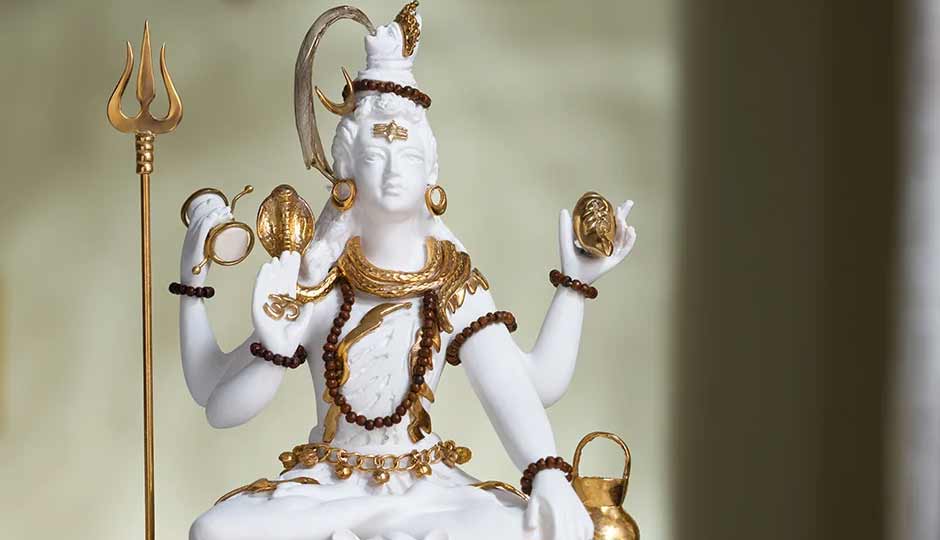
Masik Shivratri is observed every month on the Chaturdashi Tithi of Krishna Paksha and is devoted to Lord Shiva. For Shiva devotees, this monthly occasion is a sacred time for fasting, prayer, meditation and performing worship during the night.
In September 2026, Masik Shivratri will be observed on Wednesday, September 9. The festival falls during Bhadrapada Krishna Paksha Chaturdashi. As per Panchang calculations, the Chaturdashi Tithi begins at approximately 12:30 PM on September 9 and ends around 10:33 AM on September 10. Timings may vary slightly depending on the location.
Masik Shivratri September 2026 Nishita Kaal
Nishita Kaal refers to the midnight period that holds special significance for Shiva worship. For the September 2026 Masik Shivratri, this auspicious period falls during the night of September 9 and 10.
For New Delhi, Nishita Kaal is expected to be approximately from 11:55 PM on September 9 to 12:41 AM on September 10. Since sunrise, sunset and other astronomical calculations differ from place to place, devotees are advised to consult their local Panchang for accurate timings.
The main observance will take place on the night of September 9, when devotees can perform Shiva Puja during the auspicious Chaturdashi period.
What Is The Significance Of Masik Shivratri?
Masik Shivratri holds special spiritual importance for devotees of Lord Shiva. The waning phase of the Moon is traditionally regarded as a suitable period for introspection, meditation and spiritual practices.
Devotees believe that worshipping Lord Shiva with sincerity on Shivratri helps nurture inner peace, devotion and self-discipline. The monthly observance also provides an opportunity to step away from daily distractions, spend time in prayer and seek the blessings of Mahadev.
Masik Shivratri September 2026 Puja Vidhi
Devotees can perform a simple Shiva Puja while following the customs and traditions observed by their families or communities.
Wake up early, take a bath and wear clean clothes.
Clean the puja area and place a Shiva Lingam or image of Lord Shiva.
Light a diya and incense sticks.
Offer water and perform Abhishekam according to your tradition.
Offer bilva leaves, flowers and other customary puja items.
Chant Om Namah Shivaya with devotion.
Recite Shiva mantras, stotras or the Shiv Chalisa.
Offer fruits or suitable naivedya.
Perform Shiva Aarti.
Those following the night-vigil tradition can continue their prayers and worship during the night.
Perform special Puja during Nishita Kaal, if this is part of your family tradition.
Some devotees also worship Lord Shiva during the four Prahars of the night, following traditional Shivratri practices.
What To Offer Lord Shiva On Masik Shivratri?
Traditional offerings made during Shiva Puja include water, milk, bilva leaves, flowers, sandalwood paste, fruits, incense and diyas.
Among these, bilva leaves hold a particularly revered place in Shiva worship. However, rituals and offerings can vary according to regional customs, family traditions and temple practices. Devotees can therefore follow the traditions that are customary in their homes.
Masik Shivratri September 2026 Fasting Rules
Fasting is an important part of Masik Shivratri for many devotees. However, the way the fast is observed can differ from person to person.
Some devotees observe a complete fast, while others consume fruits, milk or foods permitted during religious fasting. The choice generally depends on personal health, age and family tradition.
Fasting should not necessarily mean complete abstinence from food for everyone. Children, elderly people and those with health concerns should avoid strenuous fasting and follow suitable dietary practices. The deeper purpose of Masik Shivratri is devotion, prayer, self-control and spiritual discipline.
Masik Shivratri Mantra
One of the simplest and most widely recited mantras dedicated to Lord Shiva is:
Om Namah Shivaya
Devotees can chant this mantra while performing Puja, meditating, offering Abhishekam or visiting a Shiva temple. Repeating the mantra is traditionally considered a way of calming and concentrating the mind while expressing devotion to Mahadev.
Why Is September 9 Observed As Masik Shivratri?
Masik Shivratri is calculated according to the Hindu lunar calendar, rather than following a fixed date in the Gregorian calendar. It is observed on Krishna Paksha Chaturdashi, the 14th lunar day of the waning Moon.
In September 2026, the Chaturdashi Tithi begins on September 9 and continues into the morning of September 10. Since Shivratri worship is traditionally associated with the nighttime period, the observance is marked on September 9, even though the Tithi ends the following morning.
A Sacred Night For Prayer And Inner Reflection
Masik Shivratri gives devotees a monthly opportunity to pause, reflect and reconnect with their spiritual practices. Whether one chooses to fast, visit a temple, perform Abhishekam, chant mantras or simply spend some quiet time in meditation, the observance centres on devotion to Lord Shiva.
As September Masik Shivratri approaches, devotees should check their local Panchang for the precise Nishita Kaal and other Puja timings. Following the customs and traditions of one's family, community or temple can make the observance a meaningful spiritual experience.