15 Amazing Benefits Of Amla For Skin And Hair
By: Priyanka Maheshwari Wed, 11 Nov 2026 12:30:02
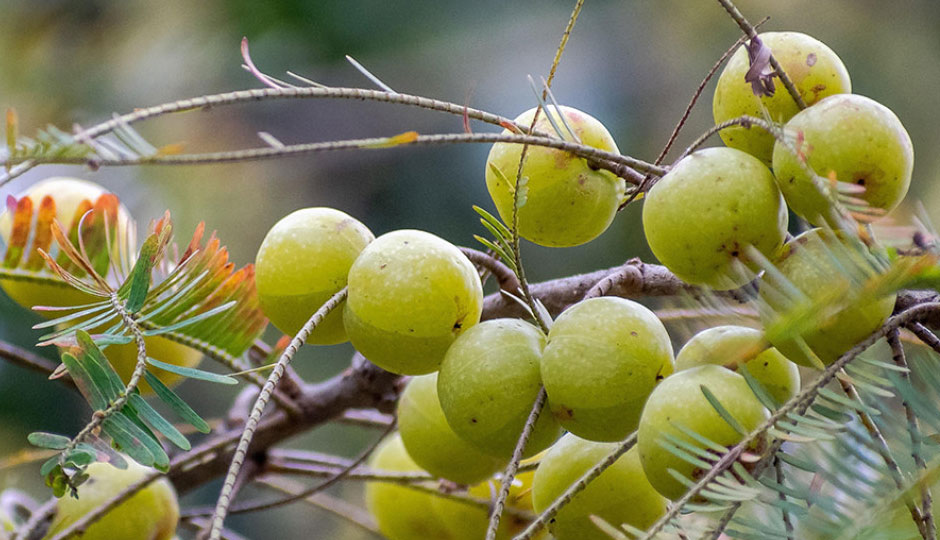
Amla, also known as Indian gooseberry, is one of the most powerful natural ingredients used in traditional Indian beauty and wellness practices. Packed with vitamin C, antioxidants, polyphenols and essential nutrients, amla offers several potential benefits for healthy skin and strong, beautiful hair.
For generations, amla has been used in Ayurveda as a natural ingredient in hair oils, herbal shampoos, face packs and dietary preparations. Its antioxidant properties help protect the body against oxidative stress, while its vitamin C content supports collagen production, which plays an important role in maintaining skin firmness and elasticity.
Whether consumed as fresh fruit, juice, powder or included in your skincare and haircare routine, amla can be a useful addition to your beauty regimen.
Let's explore the major benefits of amla for skin and hair and how you can use it effectively.
Benefits of Amla for Skin
1. Helps Maintain Healthy and Glowing Skin
Amla is rich in vitamin C, an essential nutrient that supports healthy skin. Vitamin C helps protect skin cells from oxidative damage caused by environmental factors such as pollution and ultraviolet radiation.
It also plays an important role in collagen production, which helps maintain skin structure and elasticity.
Regularly including amla in a balanced diet may support healthier-looking skin and contribute to a natural glow. However, eating amla does not guarantee visibly brighter skin or change your natural skin tone.
2. Supports Collagen Production
One of the most important benefits of amla for skin is its high vitamin C content.
Collagen is a structural protein that keeps skin firm, smooth and elastic. As we age, natural collagen production gradually decreases, contributing to fine lines, wrinkles and loss of skin firmness.
Vitamin C helps the body produce collagen and supports the skin's natural repair processes.
Adding vitamin C-rich foods such as amla to your diet can help maintain healthy skin as you age.
3. Helps Protect Skin from Premature Ageing
Amla contains antioxidants, including vitamin C and various plant polyphenols, which help protect cells from oxidative stress.
Oxidative stress is associated with skin ageing and can contribute to the appearance of fine lines, wrinkles and uneven skin texture.
Including antioxidant-rich foods such as amla in your daily diet may support overall skin health and help protect against some factors associated with premature ageing.
Remember that amla cannot replace sunscreen or reverse existing wrinkles.
4. May Help Reduce the Appearance of Dark Spots
Vitamin C is widely used in skincare products because of its role in supporting an even-looking complexion.
It can help regulate melanin production pathways and is commonly used to address the appearance of pigmentation, dark spots and post-acne marks.
Amla contains natural vitamin C, making it a nutritious addition to a skin-friendly diet. However, evidence that eating amla specifically removes pigmentation is limited.
For visible pigmentation, a properly formulated vitamin C serum, sunscreen and dermatologist-recommended treatment may be more effective.
5. Supports Skin Repair and Healing
Vitamin C plays an important role in normal wound healing because it supports collagen formation and tissue repair.
Amla can contribute to your daily vitamin C intake, which helps maintain the body's natural healing processes.
It should be considered a nutritional support rather than a treatment for wounds, scars or skin infections.
6. May Help Maintain Skin Hydration and Elasticity
Healthy skin requires adequate nutrition, hydration and a functioning skin barrier.
Amla provides vitamin C and other plant compounds that contribute to overall nutritional health. Vitamin C also supports collagen, which helps maintain skin structure.
Although amla is not a moisturiser and has not been proven to directly hydrate the skin, consuming it as part of a balanced diet can support general skin health.
7. Provides Antioxidant Support Against Environmental Damage
Daily exposure to pollution, sunlight and other environmental stressors can increase oxidative stress in the skin.
Amla contains several antioxidant compounds that help neutralise free radicals and protect cells from oxidative damage.
Including amla in your diet can contribute to antioxidant intake, but it does not provide sufficient protection against UV rays. Daily broad-spectrum sunscreen remains essential.
8. May Support Overall Skin Health
Amla contains several beneficial plant compounds and nutrients that support general health.
Its antioxidant content, together with vitamin C, makes it a valuable addition to a balanced diet.
Healthy eating, adequate sleep, hydration and proper skincare work together to maintain healthy-looking skin. Amla can complement these habits but should not be considered a standalone solution for acne, eczema or other skin conditions.
Benefits of Amla for Hair
9. Helps Support Healthy Hair Growth
Amla is traditionally used in Ayurvedic haircare to support healthy hair.
It contains vitamin C and antioxidant plant compounds that contribute to overall nutritional health. Vitamin C also helps the body absorb non-haem iron from plant-based foods.
Iron is essential for healthy hair growth, and iron deficiency can contribute to hair shedding.
Although amla is traditionally believed to promote hair growth, strong clinical evidence proving that amla alone stimulates new hair growth in humans is currently limited.
10. Helps Strengthen Hair
Weak, brittle hair can result from nutritional deficiencies, excessive heat styling, chemical treatments and environmental damage.
Amla is a source of vitamin C and antioxidants that support overall health. Its traditional use in hair oils and herbal preparations makes it a popular ingredient in natural haircare routines.
Amla oil may help condition the hair and improve its appearance, making it feel softer and more manageable.
However, there is limited scientific evidence that topical amla directly strengthens the hair shaft or prevents breakage.
11. May Help Reduce Hair Fall
Hair fall can occur for several reasons, including stress, hormonal changes, nutritional deficiencies, thyroid disorders and scalp conditions.
Amla is often used in traditional haircare to help maintain healthy hair. Its vitamin C content also supports iron absorption, which is particularly relevant when inadequate iron intake contributes to hair loss.
Including amla in a nutritious diet may support general hair health, but it cannot independently treat every cause of hair fall.
If hair loss is persistent or excessive, identifying the underlying cause is important.
12. Helps Condition Dry and Dull Hair
Amla oil is commonly used as a natural hair-conditioning treatment.
Massaging a suitable amla-based oil into the hair and scalp may help reduce dryness and improve hair manageability.
It can also make hair appear smoother and shinier by coating the hair strands.
For best results, apply a small amount to your hair lengths, leave it for 30–60 minutes and wash with a mild shampoo if needed.
13. May Help Maintain Scalp Health
A healthy scalp provides a good environment for hair growth.
Amla is traditionally used in herbal scalp treatments because of its plant compounds and antioxidant properties.
Amla-based hair oils may help moisturise a dry scalp, but there is insufficient clinical evidence that amla treats dandruff, fungal infections or scalp inflammation.
If you experience persistent itching, redness or flaking, consult a dermatologist rather than relying only on home remedies.
14. Helps Improve Hair Shine and Manageability
One of the commonly appreciated benefits of amla hair oil is its conditioning effect.
When applied to hair lengths, oil can reduce friction between strands, making hair easier to comb and manage.
This may help reduce mechanical breakage caused by excessive brushing and tangling.
Regular conditioning, gentle combing and limiting heat styling can also help maintain naturally healthy-looking hair.
15. May Help Maintain Natural Hair Colour
Amla has traditionally been used in Ayurvedic preparations for maintaining dark-looking hair.
It contains antioxidant plant compounds, and its extracts are included in several herbal hair oils and hair masks.
However, there is no strong scientific evidence that amla reverses grey hair or prevents age-related greying.
Grey hair is largely associated with ageing and genetics, and amla should not be considered a proven solution for restoring natural hair colour.