10 Places To See Elephants Around The World
By: Priyanka Maheshwari Wed, 11 Nov 2026 12:08:38
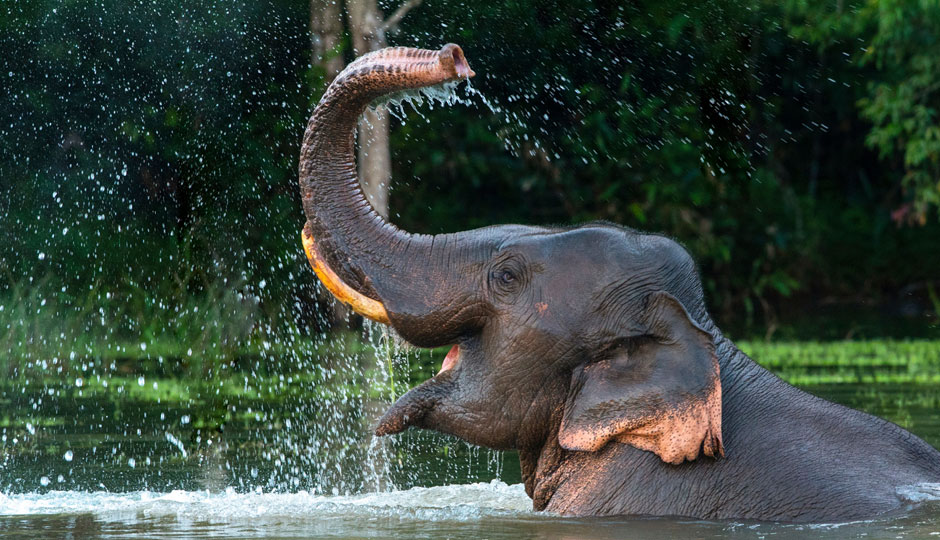
World Elephant Day has been celebrated across the globe on 12 August every year since 2012. The occasion was established to highlight the growing challenges elephants face, including illegal poaching, habitat destruction, deforestation and the loss of natural spaces due to urban development.
If you want to contribute to elephant conservation while enjoying an unforgettable wildlife experience, visiting responsible national parks, wildlife sanctuaries and conservation centres is a great way to start. Many of these destinations support conservation initiatives through tourism and also offer opportunities for visitors to participate in volunteering programmes.
Here are 10 incredible destinations around the world where you can see elephants in their natural habitats and learn more about efforts to protect them.
1. Chobe National Park, Botswana
Botswana's famous Chobe National Park is home to one of the largest elephant populations in Africa, with an estimated 50,000 elephants. This makes it an excellent destination for travellers hoping to witness large herds of these magnificent animals in the wild.
The best time to spot elephants is during the dry season, from June to November. As water becomes scarce, large herds gather along the riverbanks and frequently cross the river in search of fresh grazing grounds. A boat safari is one of the best ways to observe them from a safe and comfortable distance.
However, elephants are not the park's only attraction. Visitors can also spot enormous herds of buffalo, along with zebras, wildebeest and giraffes. Lions, leopards and African wild dogs are among the predators that can occasionally be seen roaming the open plains.
2. Elephant Nature Park, Thailand
Located in Chiang Mai Province in northern Thailand, Elephant Nature Park offers visitors an enriching opportunity to learn about elephant rescue, rehabilitation and conservation.
Situated approximately 60 kilometres from Chiang Mai city, this sanctuary provides a safe home for dozens of elephants rescued from circuses, tourist camps and other difficult conditions across Thailand. Here, the animals can roam freely, interact with one another and enjoy surroundings that allow them to express their natural behaviours.
The sanctuary aims to promote responsible and sustainable elephant tourism. Visitors can support its conservation efforts through their visits and, depending on available programmes, participate in volunteering activities that contribute to the animals' care and well-being.
3. Nkhotakota Wildlife Reserve, Malawi
Nkhotakota Wildlife Reserve in Malawi is an inspiring example of how large-scale conservation projects can help restore wildlife populations. The reserve received international attention when Prince Harry supported the ambitious '500 Elephants' initiative led by African Parks.
Once severely depleted of wildlife, the reserve underwent a remarkable transformation in 2016. More than 520 elephants and approximately 2,000 other animals were relocated from Majete Wildlife Reserve and Liwonde National Park as part of a major wildlife translocation project. Further reintroductions in 2022 helped increase the elephant population to more than 620.
Today, Nkhotakota stands as an important conservation success story. Visitors can experience its beautiful natural landscapes and, with some luck, observe elephants moving freely through the wilderness. A visit also offers an opportunity to appreciate the tremendous efforts involved in restoring and protecting wildlife habitats.
4. Sayaboury Elephant Conservation Centre, Laos
Laos was once famously known as the 'Land of a Million Elephants'. Unfortunately, deforestation, poaching and expanding human settlements have dramatically reduced its elephant population. Today, only an estimated 400 elephants remain in the wild, while another 400 live in captivity. Without effective conservation measures, the country's elephant population could face an uncertain future.
The Sayaboury Elephant Conservation Centre (ECC) is working to improve this situation through dedicated rescue, rehabilitation and conservation programmes.
The centre provides care for retired elephants and gives visitors an opportunity to meet these gentle giants. It also offers veterinary assistance, supports elephant welfare and creates employment opportunities for former mahouts who have traditionally worked with elephants.
A visit here is an opportunity to understand the challenges facing Laos' elephants and learn how conservation initiatives are helping protect their future.
5. Hwange National Park, Zimbabwe
Hwange National Park in Zimbabwe offers an encouraging example of a thriving elephant population at a time when many African regions are struggling with declining numbers. The park is home to approximately 45,000 elephants, making it one of the continent's most important elephant habitats.
Conservation organisations, tourism operators, safari lodges and local communities have played an important role in supporting wildlife protection in the region. Their cooperation has helped create a more sustainable environment for elephants and other wildlife.
The park offers outstanding wildlife-viewing opportunities, particularly during the dry season between July and October. Large herds of buffalo can be seen gathering around water sources, while lions are frequently spotted. Hwange is also home to one of Africa's significant wild dog populations, along with more than 100 mammal species and over 400 bird species.
Another attraction is the world-famous Victoria Falls, which is within driving distance of the national park.
6. Periyar National Park, India
Located in Kerala, Periyar National Park is one of South India's most popular wildlife destinations. Established as a tiger reserve in 1978, the park is particularly well known for its elephant population and rich biodiversity.
Spread across a beautiful landscape of forests, mountains and lakes, Periyar offers visitors an opportunity to experience India's remarkable wildlife. Apart from elephants, the reserve is home to Bengal tigers, sambar deer, barking deer, wild dogs, Indian bison and mouse deer.
One of the biggest attractions is a boat ride across Periyar Lake, which provides excellent opportunities to observe wildlife along the forested banks. The park also supports a diverse variety of birds and butterflies, making it an attractive destination for nature lovers and wildlife photographers.
Situated near the plantation town of Kumily, Periyar combines scenic beauty with an unforgettable wildlife experience.
7. Udawalawe Elephant Transit Home, Sri Lanka
Sri Lanka's Udawalawe Elephant Transit Home is an inspiring conservation initiative dedicated to rescuing and rehabilitating orphaned and injured baby elephants.
Supported by the Born Free Foundation, the centre provides young elephants with food, medical attention and a protected natural environment until they become strong enough to survive independently. Once they are ready for release, the elephants are fitted with radio collars and gradually returned to Udawalawe National Park, often in small groups.
Travellers visiting Sri Lanka can also explore Minneriya National Park, located near the famous Sigiriya Rock. The park is particularly popular for its seasonal gathering of approximately 300 elephants around the Minneriya reservoir. This spectacular natural event, commonly known as 'The Gathering', generally takes place during the dry season, particularly between August and September.
Visitors may also encounter Sri Lankan junglefowl, the country's national bird, as well as crocodiles and other wildlife during their safari.
8. Addo Elephant National Park, South Africa
Located in the Sundays River region of South Africa's Eastern Cape, approximately 70 kilometres from Port Elizabeth (Gqeberha), Addo Elephant National Park has an inspiring conservation history.
The park was established in 1931 to protect the region's remaining elephants, whose population had fallen to just 11 animals. Thanks to decades of conservation efforts, their numbers have increased significantly. Today, more than 600 elephants roam across this vast national park, which covers approximately 1,640 square kilometres.
Besides elephants, Addo is home to an impressive variety of wildlife, including lions, leopards, black rhinos, spotted hyenas, buffaloes and zebras. Visitors can explore the park through guided jeep safaris, walking experiences and other wildlife activities.
The surrounding region also offers opportunities to discover fascinating examples of ancient rock art, adding a cultural dimension to the wildlife experience.
9. Kinabatangan River, Borneo
Malaysian Borneo is famous for its ancient rainforests, extraordinary biodiversity, fascinating cave systems and lush tropical landscapes. Among its most remarkable wildlife destinations is the Kinabatangan River, the longest river in Sabah, where visitors have an opportunity to spot endangered Bornean pygmy elephants.
The river and its surrounding forests provide an important habitat for these smaller elephants. The region is also home to orangutans, proboscis monkeys, macaques and monitor lizards, making it one of the most exciting wildlife destinations in Southeast Asia.
Visitors can explore the area through guided jungle walks and river cruises. Along the way, they may spot elephants moving through open spaces, gathering near the riverbanks or even crossing the water.
Bornean pygmy elephants often travel in family groups, which can sometimes include several dozen animals. Their presence makes the Kinabatangan River an especially rewarding destination for wildlife enthusiasts and photographers.
10. Katavi National Park, Tanzania
Located in remote western Tanzania, Katavi National Park is a spectacular wilderness destination known for its abundant wildlife and relatively untouched landscapes.
During the rainy season, the park transforms into a lush green paradise filled with waterways and vegetation. However, the dry season offers some of the most impressive wildlife-viewing opportunities. As water sources disappear, the Katuma River becomes one of the few reliable drinking sources in the region, attracting enormous numbers of animals.
Elephants, buffaloes, zebras, giraffes and impalas gather around the river, while their presence also attracts predators such as lions and hyenas.
The park's remote location and relatively low tourist numbers make it an excellent destination for travellers seeking an authentic African safari experience. Visitors can explore the wilderness through guided bush walks or river excursions, where they may encounter colourful bird species, hippos and crocodiles.
Recent large-scale wildlife surveys across Tanzania's Katavi-Rukwa and Ruaha-Rungwa landscapes have recorded nearly 20,000 elephants. These encouraging figures highlight the region's importance in elephant conservation and its contribution to wildlife recovery across Africa.