12 Effective Home Remedies To Control Hair Fall In Winter
By: Priyanka Maheshwari Wed, 11 Nov 2026 12:30:07

Winter is a beautiful season, but it can be challenging for your hair. Many people experience increased hair fall, dryness, frizziness, split ends and an itchy scalp during the colder months. The combination of cold weather, low humidity, hot showers, indoor heating and reduced moisture in the air can make hair dry, brittle and more prone to breakage.
During winter, the scalp may also become dry and flaky, while frequent use of hot water and harsh shampoos can strip away its natural oils. As a result, hair may lose its shine, become weak and appear thinner than usual. Seasonal changes, nutritional deficiencies, stress and hormonal fluctuations can also contribute to increased hair shedding.
Fortunately, you don't always need expensive hair treatments to maintain healthy hair. Simple home remedies using natural ingredients such as coconut oil, aloe vera, fenugreek seeds, amla, yoghurt and onion can help condition the hair, reduce dryness and support a healthy scalp.
Along with these remedies, maintaining a balanced diet, drinking enough water and following a gentle hair-care routine can help minimise winter-related hair damage.
Here are 12 effective home remedies to control hair fall in winter and keep your hair healthy, soft and strong.
1. Coconut Oil Massage
Coconut oil is one of the most popular traditional remedies for maintaining healthy hair. It contains fatty acids, particularly lauric acid, which can penetrate the hair shaft and help reduce protein loss.
During winter, cold and dry weather can make hair rough, weak and more susceptible to breakage. Regular coconut oil application helps moisturise dry hair, improve softness and protect it from damage caused by washing and styling.
How to use:
- Take 2–3 tablespoons of coconut oil, depending on your hair length.
- Slightly warm the oil until it is comfortably lukewarm.
- Gently massage it into your scalp using your fingertips.
- Apply the remaining oil to the lengths and ends of your hair.
- Leave it on for 30–60 minutes before washing with a mild shampoo.
- Repeat once or twice a week.
Benefits: Coconut oil helps reduce hair protein loss, dryness and breakage. It is particularly useful for people with dry, damaged or frizzy hair.
2. Aloe Vera Gel for a Healthy Scalp
Aloe vera is known for its moisturising and soothing properties. Its gel contains water, polysaccharides and other naturally occurring compounds that can help hydrate dry skin.
During winter, the scalp may become dry, itchy and uncomfortable. Applying aloe vera gel can provide temporary soothing and hydration, helping improve scalp comfort.
How to use:
- Extract fresh gel from an aloe vera leaf.
- Blend it until smooth.
- Apply a thin layer to your scalp.
- Leave it on for 20–30 minutes.
- Rinse thoroughly with lukewarm water.
- Use once a week if your scalp tolerates it.
Benefits: Aloe vera can help soothe scalp dryness and provide moisture. However, there is limited scientific evidence that it directly stimulates hair growth or stops hair loss.
Tip: Always perform a patch test before applying fresh aloe vera, as it can cause irritation in some people.
3. Fenugreek Seeds (Methi) Hair Mask
Fenugreek seeds, commonly known as methi, are widely used in traditional hair-care routines. They contain plant compounds, proteins and mucilage, which can help condition dry hair.
The slippery texture of soaked fenugreek seeds makes them useful for preparing a natural hair mask. This mask can help soften rough hair, improve manageability and reduce breakage caused by dryness.
How to use:
- Take 2 tablespoons of fenugreek seeds.
- Soak them overnight in water.
- Grind the soaked seeds into a smooth paste.
- Apply the paste to your scalp and hair.
- Leave it on for 20–30 minutes.
- Wash thoroughly with lukewarm water and a mild shampoo.
- Use once every 1–2 weeks.
Benefits: Fenugreek paste may help condition dry hair and improve its texture. Evidence that it prevents hair loss or promotes new hair growth is limited.
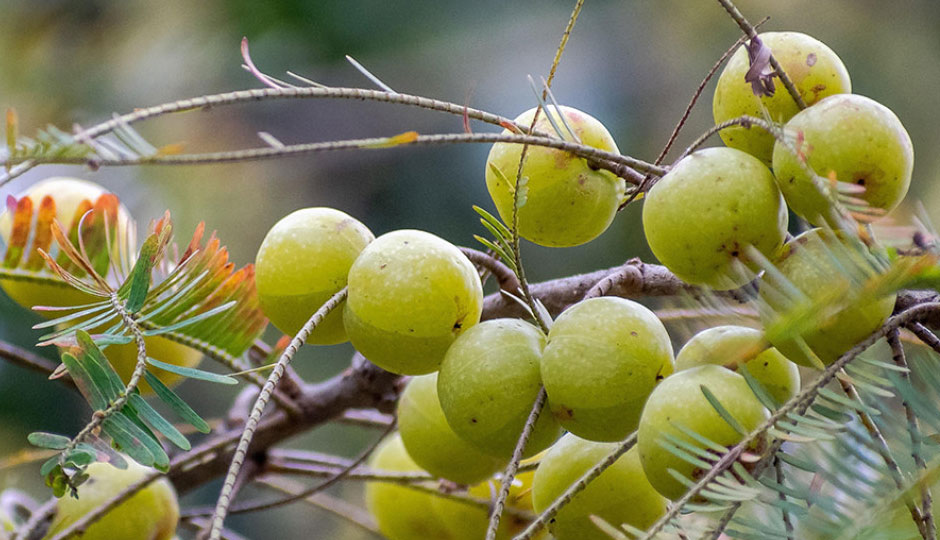
4. Amla (Indian Gooseberry) for Stronger Hair
Amla is a nutrient-rich fruit traditionally used in Indian hair-care practices. It is particularly known for its vitamin C and antioxidant content.
Vitamin C plays an important role in collagen production and helps the body absorb iron from plant-based foods. Both are relevant to maintaining healthy hair.
You can include amla in your diet or use amla powder as part of a hair-care routine.
How to use:
- Mix 2 tablespoons of amla powder with enough water to make a smooth paste.
- Apply it to your hair and scalp.
- Leave it on for 15–20 minutes.
- Rinse thoroughly with lukewarm water.
- Use once every 1–2 weeks.
Benefits: Amla provides antioxidants and vitamin C when consumed as food. Its topical use is traditionally believed to improve hair condition, although strong clinical evidence for treating hair loss is lacking.
5. Onion Juice for Hair Care
Onion juice is a popular home remedy for hair fall. It contains sulphur-containing compounds and antioxidants. Some limited research has investigated topical onion juice for a particular type of patchy hair loss called alopecia areata.
However, evidence is limited, and onion juice is not a proven treatment for common seasonal hair shedding.
How to use:
- Peel and chop one small onion.
- Extract its juice using a blender or grater.
- Strain the juice to remove solid particles.
- Apply a small amount to a limited scalp area.
- Leave it on for 10–15 minutes if there is no irritation.
- Wash your scalp thoroughly with a mild shampoo.
Benefits: Onion juice has traditionally been used to support scalp and hair health, but its effectiveness against ordinary winter hair fall is not established.
Precaution: Onion juice can cause irritation, redness and allergic reactions. Avoid it if you have a sensitive, inflamed or damaged scalp. Stop immediately if you experience burning or itching.
6. Yoghurt and Honey Hair Mask
Winter dryness can make hair rough, dull and difficult to manage. A yoghurt and honey hair mask can provide temporary conditioning and improve hair softness.
Yoghurt offers a creamy base, while honey acts as a humectant that helps attract and retain moisture.
How to use:
- Take 3 tablespoons of plain, unsweetened yoghurt.
- Add 1 tablespoon of honey.
- Mix the ingredients thoroughly.
- Apply the mixture mainly to your hair lengths and ends.
- Leave it on for 20 minutes.
- Rinse with lukewarm water and shampoo if necessary.
- Use once a week.
Benefits: This mask can help condition dry hair, reduce roughness and improve manageability. It does not directly treat hair follicle-related hair loss.
7. Curry Leaves and Coconut Oil
Curry leaves are commonly used in Indian households and traditional hair-care preparations. They contain antioxidants and plant compounds that are being studied for their potential health benefits.
Combining curry leaves with coconut oil creates a traditional conditioning oil that can help soften dry hair.
How to use:
- Take a handful of fresh curry leaves.
- Wash and dry them completely.
- Add them to half a cup of coconut oil.
- Warm gently on low heat without burning the leaves.
- Allow the oil to cool completely.
- Strain and store in a clean, dry bottle.
- Apply a small amount to your scalp and hair before washing.
Benefits: Coconut oil helps protect hair from protein loss and dryness. Curry leaves are traditionally believed to support hair health, but there is insufficient clinical evidence that this mixture prevents hair loss or reverses greying.
8. Hibiscus Flower and Leaf Hair Mask
Hibiscus flowers and leaves have been used in traditional Indian hair-care practices for generations. They contain plant compounds and mucilage that can help condition hair.
The natural slippery texture of hibiscus makes it a useful ingredient for a homemade hair mask, especially when hair becomes dry and rough during winter.
How to use:
- Take 2–3 fresh hibiscus flowers and a few leaves.
- Wash them properly.
- Grind them with a little water.
- Add 1 tablespoon of coconut oil if desired.
- Apply the paste to your hair.
- Leave it on for 20–30 minutes.
- Rinse thoroughly with lukewarm water.
Benefits: Hibiscus may help soften hair, improve manageability and reduce dryness-related breakage. Scientific evidence supporting its use as a hair-growth treatment in humans is limited.
9. Rosemary-Infused Oil for Hair Growth Support
Rosemary has gained popularity as a natural ingredient in hair-care routines. Some limited research suggests that rosemary oil may have potential benefits for certain types of hair loss, although more large-scale studies are needed.
Unlike essential oils, rosemary-infused carrier oil is generally less concentrated. If you use rosemary essential oil, it must always be diluted before applying it to the scalp.
How to use:
- Take 2 tablespoons of coconut or jojoba oil.
- Add 2–3 drops of rosemary essential oil.
- Mix thoroughly.
- Apply a small amount to your scalp.
- Massage gently without scratching.
- Leave it on for 30 minutes before shampooing.
- Use once or twice a week if tolerated.
Benefits: Rosemary oil may have potential in supporting hair growth, but the available clinical evidence is still limited.
Precaution: Never apply undiluted rosemary essential oil directly to your scalp. Avoid using it if it causes irritation.
10. Flaxseeds for Hair Health
Flaxseeds are rich in omega-3 fatty acids, fibre and other nutrients. They can be a useful addition to your winter diet.
They can also be used to prepare a natural hair gel that helps tame frizz and improve hair manageability.
How to prepare flaxseed gel:
- Take 2 tablespoons of flaxseeds.
- Add them to 1 cup of water.
- Boil for 5–7 minutes until the mixture becomes slightly thick.
- Strain the mixture while it is still warm.
- Allow the gel to cool.
- Apply a small amount to damp hair.
- Leave it on or rinse it out according to your preference.
Benefits: Flaxseed gel can help condition hair and control frizz. Eating flaxseeds provides omega-3 fatty acids and other nutrients that support overall health, although they are not a proven treatment for hair loss.
11. Green Tea Rinse for Scalp Care
Green tea contains catechins and other antioxidants that have been studied for their potential effects on hair follicles. However, most evidence is based on laboratory or animal research rather than strong human clinical trials.
A cooled green tea rinse can be used as an occasional addition to your hair-care routine.
How to use:
- Brew one cup of green tea.
- Allow it to cool completely.
- Wash your hair with a mild shampoo.
- Pour the cooled tea over your scalp and hair.
- Leave it for 5–10 minutes.
- Rinse with plain water.
Benefits: Green tea contains antioxidants, but there is insufficient evidence that a topical green tea rinse can prevent or reverse hair loss.
12. Eat a Nutrient-Rich Diet for Healthy Hair
Hair health is closely linked to nutrition. During winter, people sometimes change their eating habits and consume fewer fresh fruits and vegetables. An inadequate intake of protein, iron, zinc and other essential nutrients can contribute to hair shedding.
Instead of relying only on external remedies, include nutrient-rich foods in your daily diet.
Foods to include:
- Amla and oranges: Provide vitamin C, which supports collagen production and improves iron absorption.
- Spinach and leafy vegetables: Supply folate, iron and other essential nutrients.
- Almonds and walnuts: Provide healthy fats, vitamin E and minerals.
- Pumpkin seeds: Contain zinc, iron and magnesium.
- Eggs: Provide protein and biotin.
- Lentils and chickpeas: Supply plant-based protein, iron and zinc.
- Milk and yoghurt: Provide protein and other important nutrients.
- Flaxseeds and chia seeds: Provide omega-3 fatty acids.
Benefits: A balanced diet supports normal hair growth and helps prevent hair loss associated with nutritional deficiencies. Supplements should only be taken when a deficiency or specific need has been identified.