Navratri Day 6- Puja Rituals For Maa Katayani
By: Priyanka Maheshwari Fri, 16 Oct 2026 10:09:24
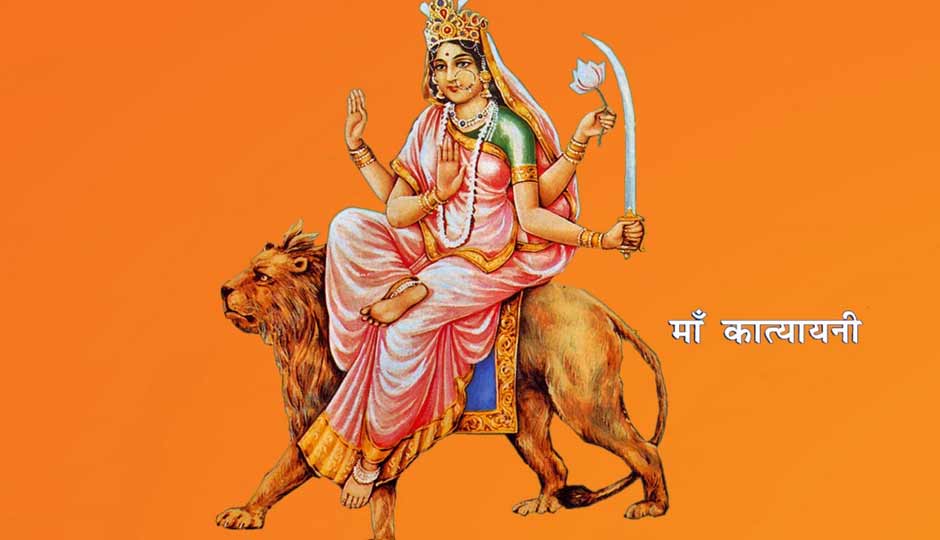
A small bowl of honey holds a special place in the Navratri rituals, serving as an offering to one of Goddess Durga’s most powerful forms. Navratri Day 6 falls on Friday, 16 October 2026, during the Shashthi tithi, and is dedicated to Maa Katyayani, the fierce warrior goddess believed to have defeated the buffalo demon Mahishasura.
The day is also significant for several other religious observances. Friday coincides with Skanda Sashti, celebrated by devotees of Lord Murugan, as well as Bilva Nimantran, Kalparambha, and Saraswati Avahan in the Durga Puja calendar. This year, Sharad Navratri is being observed from 11 to 19 October, followed by Dussehra on 20 October.
Who Is Maa Katyayani?
According to Hindu mythology, Maa Katyayani emerged from the combined divine energies of the gods to defeat evil and restore righteousness. She was first worshipped by Sage Katyayan, after whom she received her name. Depicted riding a lion and carrying a sword and a lotus, she represents a powerful combination of strength, courage, and divine grace.
The symbolism of her weapons and flowers reflects the central message of the day: true strength can coexist with compassion.
The Fierce Mother Who Protects Her Devotees
Maa Katyayani is worshipped for courage, protection, and relief from fear and suffering. Devotees believe that offering prayers to her on the sixth day of Navratri helps overcome obstacles, dispel negativity, and bring peace into life. Some spiritual traditions also associate her with the Ajna Chakra, commonly known as the third-eye chakra.
She holds particular significance for unmarried women, who traditionally pray to her for a suitable life partner and a harmonious married life. This custom is associated with the legend of the gopis, who observed a vrata dedicated to the goddess to fulfil their wish of attaining Lord Krishna as their husband.
The Colour of Navratri Day 6: Green
Green is the colour most commonly associated with the sixth day of Navratri in many 2026 colour calendars. It symbolises growth, harmony, renewal, and vitality, reflecting the goddess's powerful and protective nature. Some regional traditions, however, associate the day with red, a colour closely connected with Shakti and divine feminine energy.
Since Navratri colour traditions can differ across regions and families, wearing either green or red is a meaningful way to participate in the celebrations.
A Simple Puja Vidhi for Navratri Day 6
Devotees can perform a simple Maa Katyayani puja at home by following these traditional steps:
Begin with purification: Wake up early, take a bath, and wear clean clothes. Green is considered an auspicious choice in many traditions.
Prepare the puja area: Clean the worship space, arrange the goddess's image or idol, and light a diya. Begin by offering prayers to Lord Ganesha.
Offer flowers: Present fresh red flowers to Maa Katyayani as a symbol of devotion and reverence.
Prepare the bhog: Offer honey to the goddess, as it is traditionally associated with the sixth day of Navratri.
Chant the mantra: Recite the Maa Katyayani mantra, Om Devi Katyayanyai Namah, 108 times with devotion.
Offer prayers: Read the Durga Saptashati or other prayers dedicated to Goddess Durga, according to your family's tradition.
Perform aarti: Conclude the puja with aarti and distribute the offerings as prasad.
The puja can be performed in the morning or during an auspicious period recommended by a local panchang. Exact muhurat timings vary by location, so devotees should check their local calendar or consult a priest.
Things to Do on Navratri Day 6
Here are a few simple ways to observe the sixth day of Sharad Navratri with devotion:
Wear green or red: Choose the colour traditionally observed in your family or region.
Offer honey to Maa Katyayani: Honey is believed to symbolise sweetness, harmony, and happiness in relationships. Share it as prasad after the puja.
Observe a sattvic fast: Those who are fasting can follow their family's customary food restrictions and consume permitted foods.
Attend an evening aarti: Visit a nearby temple or Durga Puja pandal to participate in prayers and devotional celebrations.
Chant the goddess's mantra: Spend a few minutes repeating her naam mantra to cultivate focus, faith, and inner strength.
Reflect on personal courage: Identify a fear or challenge you have been avoiding and consider one practical step towards overcoming it. This is a meaningful way to connect with the day's message of bravery and determination.
Maa Katyayani's story reminds devotees that kindness and strength are not opposing qualities. She represents the courage to confront injustice while retaining the grace and compassion of a mother. The offering of honey beautifully reflects this balance. Though simple, it carries a meaningful message: genuine courage does not always need to be loud; sometimes, it is expressed through quiet faith, determination, and kindness.