15 Amazing Benefits Of Amla For Skin And Hair Naturally
By: Priyanka Maheshwari Fri, 16 Oct 2026 10:09:16
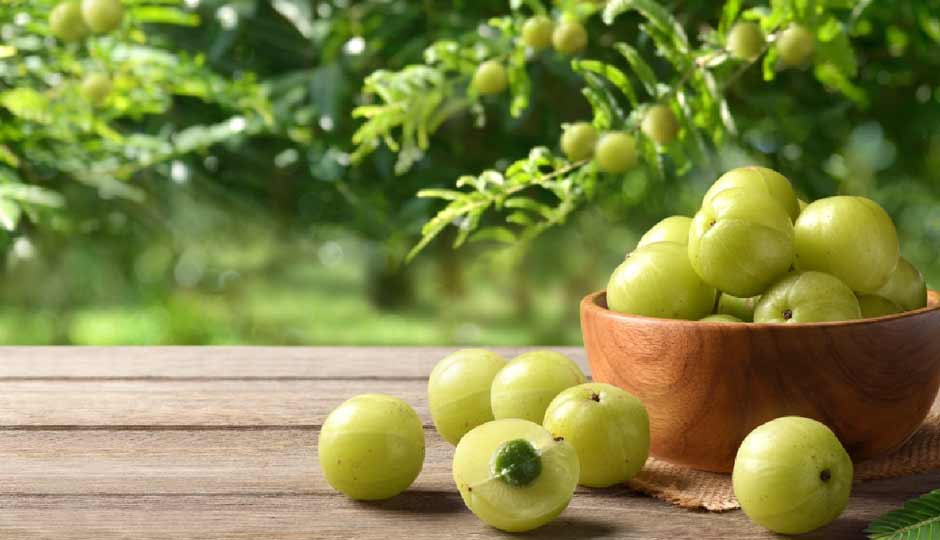
Amla, also known as Indian gooseberry, is one of the most popular traditional ingredients used in Indian beauty and wellness routines. Rich in vitamin C, antioxidants, and various plant compounds, amla has long been valued in Ayurveda for its potential benefits for skin health, hair strength, and overall nourishment. It is commonly consumed fresh, as juice or powder, and used in hair oils, shampoos, and homemade beauty preparations.
The benefits of amla for skin and hair are mainly associated with its antioxidant properties, nutritional content, and traditional use in personal care. When included in a balanced diet and a suitable beauty routine, amla may help support healthy-looking skin, strengthen hair fibres, and improve the overall appearance of your hair.
However, it is important to remember that many traditional claims about amla have limited direct clinical evidence. Its benefits can vary depending on how it is consumed or applied, your individual skin and scalp type, and your overall health.
Benefits of Amla for Skin
1. Helps Promote Healthy, Glowing Skin
Amla contains vitamin C and antioxidant compounds that help protect skin cells from oxidative stress. Including amla in a balanced diet may support normal skin function and help maintain a fresh, healthy-looking complexion. Staying hydrated, eating a variety of fruits and vegetables, and following a consistent skincare routine also contribute to skin radiance.
2. Supports Collagen Production
Vitamin C is essential for the body's natural production of collagen, a protein that helps maintain the structure and firmness of the skin. Since amla contains vitamin C, it can contribute to the nutritional requirements needed for normal collagen formation. However, eating amla alone will not necessarily eliminate wrinkles or visibly tighten the skin.
3. May Help Reduce Signs of Premature Skin Ageing
Amla's antioxidant compounds may help counter oxidative stress, which contributes to skin ageing. Some research on a topical amla branch extract has reported improvements in skin hydration, elasticity, pigmentation, and wrinkles. However, the clinical study was small, so more research is needed to confirm these effects.
4. May Support a More Even Skin Tone
Amla extracts contain plant compounds that have shown effects on melanin-related pathways in laboratory research. Certain formulated extracts may help improve the appearance of uneven pigmentation, but evidence for homemade amla remedies is limited. Persistent dark spots, melasma, and post-acne marks may require targeted dermatological treatment.
5. Helps Support Skin Hydration
Healthy skin depends on adequate hydration and a well-functioning skin barrier. A small clinical study of a specific amla branch extract formulation reported improved skin hydration. This does not mean that eating amla or applying raw amla juice will automatically moisturise dry skin. Pairing a gentle skincare routine with a suitable moisturiser is still important.
6. Provides Antioxidant Support
Amla contains polyphenols and vitamin C, which contribute to its antioxidant activity. Antioxidants help the body manage oxidative stress caused by free radicals. This may support overall skin health, although amla should not be considered a substitute for sunscreen, which remains essential for protecting the skin from ultraviolet radiation.
7. Helps Support Skin Repair and Normal Healing
Vitamin C contributes to normal collagen formation, which is important for wound healing and tissue repair. Eating amla as part of a varied diet can help provide this nutrient. However, amla juice or powder should not be applied directly to open wounds, irritated skin, or active skin infections.
8. May Help Maintain Clear-Looking Skin
A balanced diet containing antioxidant-rich fruits and vegetables supports general health, including skin health. Amla is a useful addition to such a diet, but there is insufficient evidence to conclude that it directly treats acne, prevents breakouts, or reduces excess oil production. For acne-prone skin, gentle cleansing and appropriate acne treatments are more reliable options.
Benefits of Amla for Hair
9. Helps Maintain Strong, Healthy Hair
Amla is traditionally used in Indian haircare preparations because of its antioxidant-rich plant compounds. Consuming it can contribute vitamin C to your diet, while amla-based hair products may be used as part of a conditioning routine. However, there is limited clinical evidence that amla alone strengthens hair roots or prevents hair loss.
10. May Help Reduce Hair Breakage
Hair breakage can occur because of dryness, excessive heat styling, chemical treatments, rough brushing, and friction. An amla-containing oil or conditioner may help improve manageability and reduce friction, depending on the formulation. This is different from preventing hair shedding at the roots, which can have several underlying causes.
11. Adds Shine and Improves Hair Appearance
Amla oil and other conditioning products can help coat the hair shaft, smooth its surface, and make hair appear shinier. The results depend on the ingredients and your hair type. Regular conditioning, gentle detangling, and limiting excessive heat can also help maintain smooth-looking hair.
12. Supports a Nourishing Scalp-Care Routine
Massaging a suitable amla-based hair oil into the scalp can make haircare more relaxing and help distribute the product through the roots and lengths. Nevertheless, there is not enough strong human evidence to establish that amla oil directly nourishes hair follicles or increases their growth rate. Avoid heavy oils if they aggravate scalp acne or irritation.
13. Traditionally Used to Maintain Natural Hair Colour
Amla has a long history of use in traditional haircare, particularly in oils and herbal hair masks. Some people use it to help maintain the appearance of dark, glossy hair. However, there is insufficient scientific evidence that amla reverses grey hair or reliably delays age-related greying. Genetics, ageing, and certain nutritional or medical conditions can influence hair colour.
14. May Help Improve Hair Manageability
When incorporated into a suitable conditioner, hair mask, or oil, amla may contribute to a haircare routine that leaves strands easier to comb and style. Less tangling and reduced friction can help minimise mechanical breakage. For the best results, use products formulated for your hair texture and avoid aggressive brushing when hair is wet.
15. Supports Hair Health Through Nutrition
Amla provides vitamin C, which helps the body absorb non-haem iron from plant foods. Adequate iron intake, protein, zinc, and other nutrients are important for normal hair growth. Including amla with a balanced diet may therefore contribute indirectly to healthy hair, particularly when it helps improve overall dietary variety. It does not, however, replace treatment for nutritional deficiencies or medical causes of hair loss.