- Home›
- Healthy Living›
- 10 Effective Home Remedies To Relieve Knee Pain Naturally
10 Effective Home Remedies To Relieve Knee Pain Naturally
By: Priyanka Maheshwari Fri, 16 Oct 2026 10:08:51
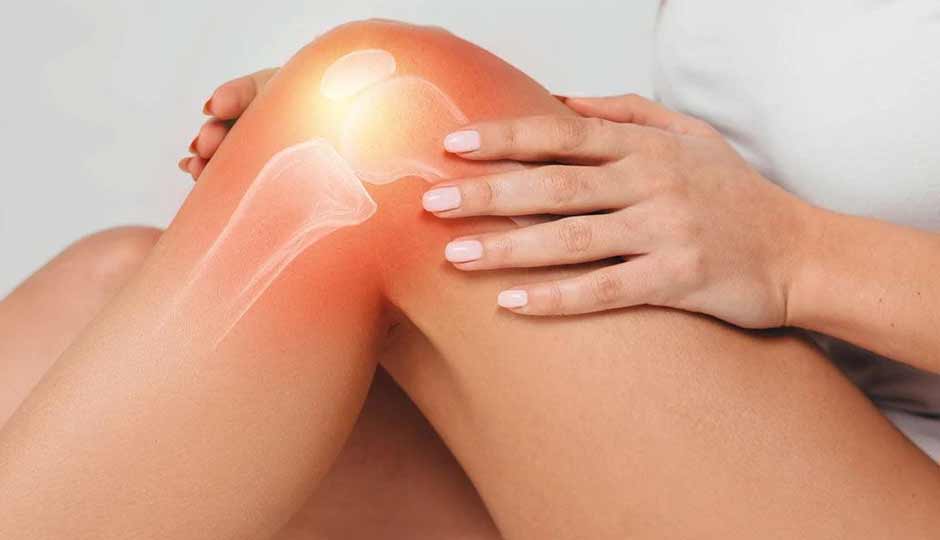
Knee pain is a common problem that affects people of all ages. It can develop due to several reasons, including ageing, arthritis, injuries, excessive physical activity, obesity, muscle weakness, or prolonged sitting and standing. Knee pain may cause stiffness, swelling, difficulty walking, and discomfort while climbing stairs or getting up from a chair. When left unmanaged, it can interfere with everyday activities and reduce overall mobility.
Fortunately, several home remedies can help relieve mild knee pain, reduce discomfort, and improve flexibility. Simple measures such as applying ice or heat, gentle stretching, maintaining a healthy weight, and following an anti-inflammatory eating pattern may support knee health. However, the most suitable remedy depends on the underlying cause of the pain.
It is important to remember that home remedies are intended to manage symptoms rather than cure every cause of knee pain. Persistent or severe pain may require medical evaluation to identify the problem and determine the appropriate treatment.
1. Apply an Ice Pack to Reduce Swelling
Applying an ice pack is one of the simplest home remedies for knee pain, particularly when the pain follows a minor injury, physical activity, or sudden swelling. Cold therapy helps reduce discomfort and temporarily decreases swelling by narrowing blood vessels in the affected area.
How to use it:
- Wrap a few ice cubes or a cold pack in a clean, thin towel.
- Place it gently over the painful knee for 15–20 minutes.
- Repeat every two to three hours during the first day or two after an injury, if needed.
- Allow the skin to return to its normal temperature between applications.
Benefits: Ice therapy can help ease pain, reduce swelling, and make movement more comfortable.
Precaution: Never place ice directly on the skin. Avoid cold therapy on areas with reduced sensation or poor circulation unless a healthcare professional advises otherwise.
2. Use a Warm Compress for Knee Stiffness
Heat therapy can be helpful when knee pain is accompanied by stiffness, particularly in people with chronic joint problems such as osteoarthritis. Warmth relaxes surrounding muscles, increases local blood flow, and may make the knee easier to move.
How to use it:
1. Soak a towel in comfortably warm water and wring out the excess.
2. Place it over the knee for 15–20 minutes.
3. Alternatively, use a heating pad on a low setting.
4. Gently move the knee afterward if movement is comfortable.
Benefits: A warm compress may ease stiffness, relax tight muscles, and improve comfort before gentle exercises.
Precaution: Avoid heat when the knee is newly injured, hot, red, or significantly swollen, as warmth may worsen swelling. Never sleep with a heating pad switched on.
3. Practise Gentle Knee Exercises
Regular, appropriate movement is important for maintaining knee flexibility and strengthening the muscles that support the joint. Weak quadriceps and hip muscles can increase the demands placed on the knee during everyday activities.
Gentle exercises may help improve mobility and support long-term pain management, especially for people with knee osteoarthritis.
Exercises to try:
- Seated knee extensions: Sit on a sturdy chair and slowly straighten one leg. Hold briefly, then lower it.
- Heel slides: Lie down or sit with your leg supported and gently slide your heel toward your body, bending the knee as far as comfortable.
- Quadriceps contractions: Keep your leg straight and gently tighten the muscles at the front of your thigh for five seconds before relaxing.
- Gentle walking: Take short walks on level ground if walking does not increase your pain.
Start slowly and perform only a few repetitions. Stop if an exercise causes sharp pain, increased swelling, or worsening symptoms.
4. Elevate Your Leg to Manage Swelling
Elevating the affected leg can help reduce swelling caused by fluid accumulation around the knee. This is particularly useful after minor injuries or periods of prolonged standing.
How to do it:
- Lie down in a comfortable position.
- Place pillows beneath your calf and ankle so the leg is supported.
- If comfortable, keep the knee and lower leg elevated above the level of your heart.
- Rest in this position for approximately 15–20 minutes.
Benefits: Elevation may help reduce swelling, relieve a feeling of heaviness, and improve comfort.
Important: Do not force the knee into a painful or deeply bent position. Sudden, substantial swelling following an injury requires medical assessment.
5. Maintain a Healthy Body Weight
Excess body weight can increase the load placed on the knee joints during walking, climbing stairs, and standing. Over time, this additional stress may aggravate knee pain, particularly in people with osteoarthritis.
Gradual weight management can help reduce pressure on the knees and improve mobility.
Helpful habits include:
- Eat balanced meals containing vegetables, fruits, whole grains, and protein.
- Choose low-impact activities such as swimming, stationary cycling, or water exercise when tolerated.
- Avoid crash diets and extreme exercise routines.
- Set realistic weight-management goals with guidance from a healthcare professional if needed.
Benefits: Even modest weight loss, when appropriate, can help reduce knee symptoms in people who are overweight and have knee osteoarthritis.
6. Eat Foods That Support Joint Health
A balanced diet cannot directly cure knee pain, but it can support overall health and help manage conditions associated with inflammation. Foods rich in fibre, healthy fats, vitamins, and minerals are useful components of a joint-friendly eating pattern.
Foods to include:
- Fatty fish: Salmon, sardines, and mackerel provide omega-3 fatty acids.
- Leafy green vegetables: Spinach and other greens supply vitamins and minerals.
- Berries: Strawberries, blueberries, and other berries contain antioxidant compounds.
- Nuts and seeds: Walnuts, flaxseeds, and chia seeds provide healthy fats.
- Whole grains: Oats and other whole grains supply fibre.
- Olive oil: Contains monounsaturated fats and beneficial plant compounds.
Benefits: A nutritious diet supports muscle function, healthy body weight, and general wellbeing. Omega-3-rich foods may also help support an overall anti-inflammatory dietary pattern.
No particular food should be considered a guaranteed treatment for knee pain.
7. Try Ginger as Part of Your Diet
Ginger contains bioactive compounds that have been studied for their potential anti-inflammatory effects. Some research suggests ginger may offer modest relief from osteoarthritis symptoms, although the evidence is limited and results vary.
How to use it:
1. Wash and slice a small piece of fresh ginger.
2. Add it to a cup of hot water.
3. Allow it to steep for five to ten minutes.
4. Strain and drink if desired.
You can also add fresh ginger to soups, vegetables, and other meals.
Benefits: Ginger can be part of a healthy diet and may provide modest symptom relief for some people.
Precaution: Ginger tea is not a substitute for medical treatment. Concentrated ginger supplements may interact with certain medicines, including blood-thinning medications. Ask a healthcare professional before taking supplements regularly.
8. Include Turmeric in Your Meals
Turmeric is widely used in Indian cooking and contains curcumin, a compound studied for its potential anti-inflammatory properties. Some clinical studies suggest curcumin supplements may help reduce osteoarthritis-related pain, but the evidence is not conclusive, and ordinary culinary turmeric has not been established as a treatment for knee pain.
How to use it:
- Add turmeric to dal, vegetable curries, soups, or other everyday meals.
- Use it as part of a varied, balanced diet.
- Avoid relying on turmeric drinks or supplements as a replacement for appropriate treatment.
Benefits: Turmeric adds flavour and beneficial plant compounds to food. Its potential role in easing joint symptoms remains under investigation.
Precaution: High-dose curcumin supplements may cause digestive problems and interact with medications. Some highly concentrated formulations have also been associated with liver injury. Consult your healthcare professional before using them.
9. Try Gentle Stretching to Improve Flexibility
Tight muscles around the thighs and calves may contribute to discomfort or restrict knee movement. Gentle stretching can help maintain flexibility and make daily activities more comfortable.
Stretches to consider:
- Hamstring stretch: Sit on a chair, extend one leg with the heel on the floor, and gently lean forward from the hips while keeping your back straight.
- Calf stretch: Stand facing a wall, place one foot behind the other, and gently lean forward while keeping the back heel on the floor.
- Quadriceps stretch: Hold a sturdy support and gently bend the knee to bring the heel toward the buttock, only if this is comfortable.
Hold each stretch for about 15–30 seconds without bouncing. Repeat once or twice as tolerated.
Benefits: Stretching may improve flexibility and reduce muscle tightness around the knee.
Avoid deep bends, forced movements, and stretches that cause sharp pain.
10. Use a Knee Support When Appropriate
A properly fitted knee sleeve or brace may provide comfort and a feeling of stability during everyday activities. Certain braces are useful for specific knee conditions, but the right type depends on the cause of the pain.
How to use it:
- Choose a support that fits comfortably.
- Follow the manufacturer's instructions.
- Remove it if you notice numbness, tingling, skin irritation, or increased pain.
- Ask a healthcare professional whether a brace is suitable for your condition.
Benefits: Knee supports may improve comfort during movement and can be helpful in some cases of osteoarthritis or instability.
A brace does not repair an injured ligament or replace rehabilitation. Avoid wearing a tight support that restricts circulation.