Reason Why We Bring Ganesha Home During Ganesh Chaturthi
By: Priyanka Maheshwari Thu, 10 Sep 2026 9:52:45
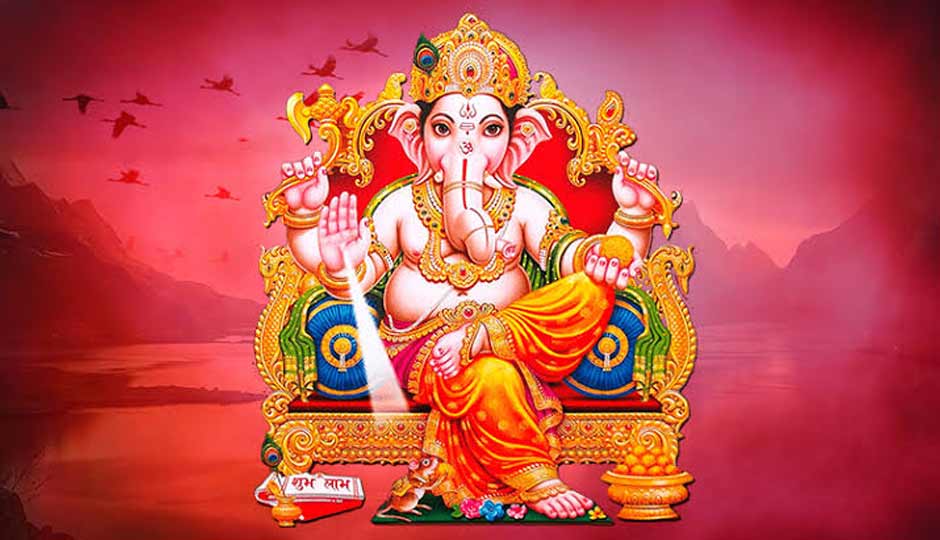
On the morning of September 14, 2026, families across India—from apartments in Pune and bungalows in Chennai to modest one-room homes in Nagpur—will bring home a small clay idol of Lord Ganesha. Carefully placed on a beautifully decorated platform, the idol is often treated with the affection and attention reserved for the most honoured guest.
Ganesh Chaturthi begins on Monday, September 14, and over the next ten days, Ganesha becomes more than a deity worshipped at home. He becomes part of the household. Families offer him food before eating themselves, sing devotional songs, perform prayers and rituals, and shower him with affection. Eventually, the idol is taken out in a procession and immersed in a river, lake or sea.
At first glance, this may seem like another religious tradition. But bringing Ganesha home instead of simply visiting him at a temple is not a minor detail of Ganesh Chaturthi. In many ways, it is the heart of the festival.
The God Who Always Comes First
Ganesha's place at the beginning of Hindu prayers and ceremonies is rooted in several ancient traditions. One well-known story connects him with the writing of the Mahabharata. According to the tradition, Sage Vyasa asked Ganesha to write down the epic as he dictated it, with the condition that Vyasa should not stop during the narration.
When Ganesha's writing instrument broke, he is said to have broken off one of his own tusks and continued writing rather than interrupt the work. His determination and willingness to sacrifice part of himself to complete the task became symbolic of perseverance and commitment.
This is one reason Ganesha is traditionally worshipped before beginning something new—a wedding, a business venture, a housewarming ceremony or any important undertaking. He is regarded as the remover of obstacles and the deity associated with wisdom, beginnings and success.
Bringing him home at the beginning of Ganesh Chaturthi, therefore, is more than an act of devotion. It represents a heartfelt invitation to a deity who is believed to help devotees overcome difficulties and move forward with determination.
A God Who Becomes Part of the Household
Hindu worship often takes place in temples, shrines or through elaborate ceremonies. Ganesh Chaturthi brings the deity into the centre of everyday family life.
For the duration of the celebration, the Ganesha idol becomes a presence within the home. Families prepare special offerings, perform aarti, decorate the place where the idol is installed and include Ganesha in their daily routines. The deity is not simply visited; he is welcomed as an honoured member of the household.
This closeness reflects an important aspect of Ganesha worship. The divine is not necessarily something distant or unreachable. By bringing Ganesha into the home, devotees symbolically bring wisdom, prosperity, positivity and the removal of obstacles into their everyday lives.
The large public celebrations associated with Ganeshotsav are a comparatively modern development. Public Ganesh festivals were popularised by Bal Gangadhar Tilak in Pune in 1893, when community celebrations became a powerful way of bringing people together during British rule.
Yet alongside the colourful pandals, cultural programmes and massive processions, the intimate home celebration remains central to the festival. It is within the home that the personal relationship between devotee and deity is most visibly expressed.
Why Ganesha Must Eventually Leave
The farewell is what gives the entire tradition its deeper meaning.
Depending on family and regional customs, Ganesha idols may be kept for one-and-a-half days, three, five, seven or the full ten days before visarjan. The immersion generally takes place on Anant Chaturdashi, marking the conclusion of the festival.
The moment can be emotional. After days of prayers, offerings and celebrations, families carry the idol outside and accompany Ganesha to the place of immersion. As the clay idol returns to the water, devotees bid farewell with the familiar chant:
“Ganpati Bappa Morya, Pudhchya Varshi Lavkar Ya.”
The words express a simple but powerful wish: Lord Ganesha, come back soon next year.
The temporary nature of the idol is not a contradiction. It is part of the message. What is welcomed into the home with love cannot be possessed forever. The idol is created from the earth, worshipped with devotion and eventually returned to nature.
In that cycle of arrival, presence and departure lies one of the most profound lessons of Ganesh Chaturthi: love deeply, welcome the divine wholeheartedly, and learn to let go when the time comes.