Rishi Panchami 2026: Date, Tithi, Significance, Puja Vidhi And Fasting Rules
By: Priyanka Maheshwari Tue, 15 Sep 2026 10:31:21
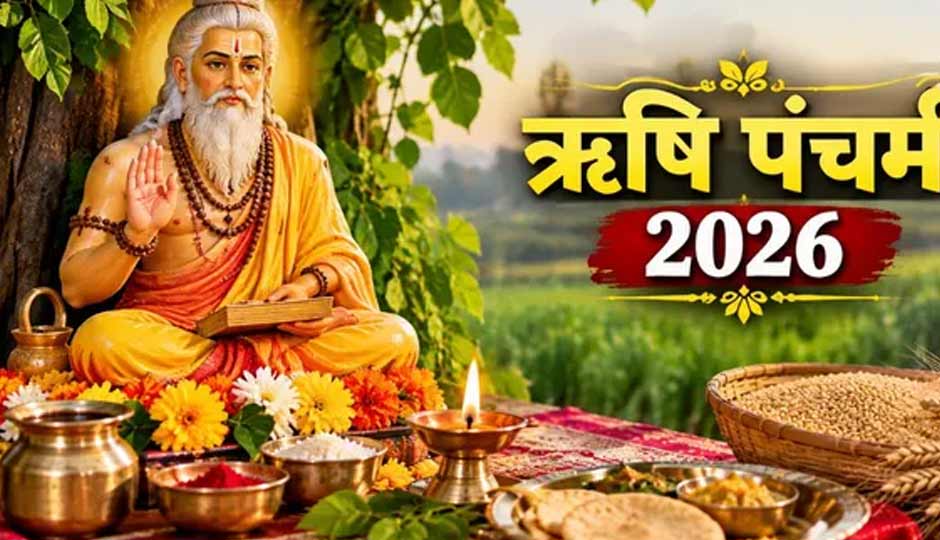
Rishi Panchami 2026 will be observed on Tuesday, September 15, during the Shukla Paksha Panchami of the Hindu month of Bhadrapada. Dedicated to the Sapta Rishis, or seven revered sages, the festival is traditionally associated with purification, devotion, self-discipline and spiritual reflection. The vrat is especially observed by women in several Hindu traditions, although the customs and rituals can vary from one region and family to another.
Rishi Panchami 2026 Date and Tithi
Rishi Panchami is observed on the fifth day of the bright fortnight, or Shukla Paksha, of Bhadrapada. In 2026, the Panchami Tithi begins on September 15 at around 7:44–7:45 AM and concludes on September 16 at approximately 8:59–9:01 AM. Timings may vary slightly depending on the Panchang followed and the location.
The festival will be observed on September 15 because the Panchami Tithi prevails during Madhyahna, the midday period traditionally considered significant for Rishi Panchami worship.
Who Are the Seven Saptarishis?
Rishi Panchami is dedicated to the seven great sages, known as the Saptarishis, who are revered in Hindu tradition for their spiritual wisdom, knowledge and teachings. The seven sages traditionally worshipped on this day are:
Kashyapa
Atri
Bharadwaja
Vishwamitra
Gautama
Jamadagni
Vashishtha
Arundhati, the wife of Sage Vashishtha, is also traditionally worshipped along with the Saptarishis.
Devotees offer prayers to the sages and seek their blessings for spiritual growth, inner purification and overall well-being.
Why Is Rishi Panchami Observed?
Rishi Panchami is traditionally associated with purification, repentance and atonement for unintentional ritual transgressions. Some traditional beliefs connect the vrat with ritual restrictions related to menstruation that were followed in certain communities in earlier times.
However, this aspect is best understood within its religious and historical context and should not be interpreted as suggesting that menstruation is medically or biologically impure. In a broader spiritual sense, Rishi Panchami is also regarded as a day for practising self-discipline, introspection, devotion and purification of the mind.
Rishi Panchami 2026 Puja Vidhi
Devotees generally begin Rishi Panchami by taking a bath and wearing clean clothes. They then take a sankalp, or solemn resolution, to observe the vrat and perform the day's rituals with devotion.
The Sapta Rishis and Goddess Arundhati are worshipped with traditional offerings such as:
Water
Flowers
Akshat (unbroken rice)
Sandalwood
Fruits
Incense
Diya
Panchamrit
Devotees may also read or listen to the Rishi Panchami Vrat Katha and conclude the worship with prayers and aarti. Since rituals differ across communities, families may follow their own traditional method of performing the puja.
Rishi Panchami 2026: Fasting and Food Traditions
Fasting practices on Rishi Panchami are not uniform and may differ according to regional and family traditions. Some devotees avoid grains and follow a restricted or vrat-friendly diet, while others observe the fast according to specific local customs.
In parts of Maharashtra, a traditional preparation known as Rishichi Bhaji, made using seasonal vegetables and tubers, is associated with the festival. Some traditions also include the preparation or consumption of seven different types of vegetables as part of the day's food customs.
Therefore, devotees should follow the fasting and dietary practices traditionally observed in their family or community.
What Does Rishi Panchami Represent?
Rishi Panchami goes beyond fasting and ritual observances. At its heart, the festival represents respect for spiritual teachers, self-discipline, devotion and introspection. It provides devotees with an opportunity to remember the Saptarishis and the wisdom associated with their teachings.
As Rishi Panchami 2026 is observed, regional customs may differ in terms of fasting, food, puja procedures and other rituals. However, the central spirit of the festival remains rooted in devotion, purification, self-reflection and reverence for the seven revered sages.