Sawan Somwar 2026- Significance And Rituals To Follow
By: Priyanka Maheshwari Mon, 03 Aug 2026 11:28:15
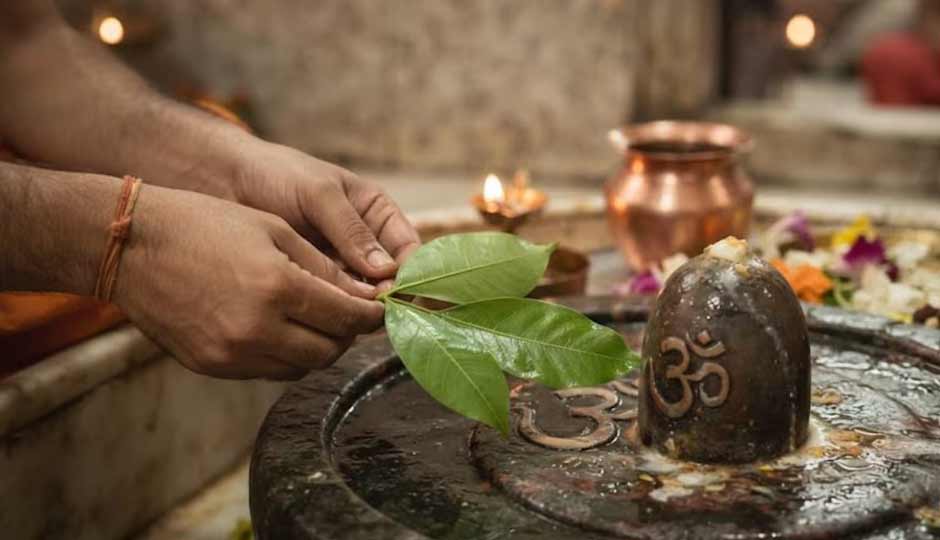
The sacred month of Sawan (Shravan) holds a special place in the Hindu calendar and is dedicated to the worship and devotion of Lord Shiva. Every Monday during this holy month, known as Sawan Somwar, is considered highly auspicious. Devotees observe fasts, perform special prayers, offer Jalabhishek, and seek the blessings of Mahadev for peace, prosperity, good health, and spiritual growth.
In 2026, the first Sawan Somwar will be observed on Monday, August 3, according to the North Indian (Purnimanta) calendar. This day marks the beginning of the sacred Monday fasts dedicated to Lord Shiva. From performing traditional rituals to chanting powerful Shiva mantras, devotees believe that sincere devotion on Sawan Somwar brings divine blessings and strengthens their spiritual connection.
Here is a complete guide to the first Sawan Somwar 2026, including its date, significance, mythological stories, puja rituals, fasting rules, and important mantras.
When Is The First Sawan Somwar In 2026?
As per the North Indian (Purnimanta) calendar, the first Sawan Somwar will be celebrated on Monday, August 3, 2026. The holy month of Sawan began on July 30, 2026, and will continue until August 28, 2026.
All Mondays falling during this month are considered extremely sacred and are dedicated to Lord Shiva. Many devotees begin their Sawan Somwar Vrat on the first Monday and continue observing the fast throughout the month to seek Mahadev’s blessings.
Significance Of The First Sawan Somwar
The first Sawan Somwar is considered the beginning of a spiritually important period devoted to Lord Shiva. It is believed that worshipping Shiva with a pure heart and complete devotion during this time helps devotees receive blessings of happiness, prosperity, good fortune, and inner peace.
For many devotees, this day is also associated with self-control, meditation, and strengthening faith. Observing the Sawan Somwar Vrat is believed to purify the mind, remove negativity, and bring spiritual progress.
Mythological Importance Of Sawan Somwar
One of the most popular legends connected with the month of Sawan is the story of Samudra Manthan (the churning of the ocean). According to Hindu scriptures, during the churning of the cosmic ocean, a deadly poison called halahala emerged, threatening the entire universe.
To protect all living beings, Lord Shiva consumed the poison and held it in his throat. Due to this, his throat turned blue, and he became known as Neelkanth. It is believed that the gods offered water to Lord Shiva to reduce the intense effect of the poison. This tradition continues today through the ritual of Jalabhishek, where devotees pour water or Gangajal over the Shivling during Sawan.
Another important belief is associated with Goddess Parvati. It is said that Goddess Parvati performed deep penance during the month of Shravan to seek Lord Shiva as her husband. Impressed by her devotion and dedication, Lord Shiva accepted her as his consort.
Inspired by this legend, many unmarried women observe Sawan Somwar Vrat while praying for an ideal life partner. Married women also observe this fast seeking the long life, happiness, and well-being of their husbands and families.
Rituals Performed On The First Sawan Somwar
Devotees usually begin the day by waking up early before sunrise and taking a holy bath. After cleansing themselves, they perform Shiva puja either at home or by visiting a temple.
The common rituals followed on Sawan Somwar include:
Offering water or Gangajal to the Shivling through Jalabhishek
Offering Bel Patra (Bilva leaves), white flowers, sandalwood paste, fruits, dhatura, and bael fruit
Lighting diyas and incense sticks
Chanting sacred Shiva mantras such as “Om Namah Shivaya” and the Maha Mrityunjaya Mantra
Listening to or reading the Sawan Somwar Vrat Katha
Performing Rudrabhishek whenever possible
These rituals represent devotion, purity, surrender, and gratitude towards Lord Shiva.
Importance Of Jalabhishek During Sawan
Jalabhishek is one of the most significant rituals performed during Sawan Somwar. Devotees pour water or Gangajal over the Shivling while remembering Lord Shiva and chanting his sacred mantras.
This ritual is believed to cleanse the mind and soul while expressing deep devotion towards Mahadev. It also symbolizes the offering of water made to Lord Shiva after he consumed the poisonous halahala during Samudra Manthan.
Sawan Somwar Vrat Rules
The method of observing Sawan Somwar Vrat may vary according to different regions and family traditions. However, some commonly followed rules include:
Taking a holy bath before sunrise.
Observing a complete fast or consuming only fruits, milk, and vrat-friendly foods (phalahar).
Avoiding onion, garlic, non-vegetarian food, alcohol, and tamasic foods.
Maintaining cleanliness, positivity, and self-discipline throughout the day.
Visiting a Shiva temple and offering prayers.
Breaking the fast after evening puja or according to family customs.
Devotees who are pregnant, elderly, taking medication, or dealing with health concerns should follow fasting practices according to their personal health requirements and seek medical advice if needed.
Powerful Shiva Mantras To Chant On Sawan Somwar
Chanting Shiva mantras during Sawan Somwar is considered highly beneficial. Some commonly recited mantras include:
Om Namah Shivaya
This powerful Panchakshari Mantra is dedicated to Lord Shiva and is believed to bring peace, positivity, and spiritual strength.
Maha Mrityunjaya Mantra
Devotees chant this mantra for protection, healing, and overall well-being.
Many devotees also recite Shiv Chalisa, Shiva Ashtakam, and verses from Rudram as part of their prayers, depending on their family traditions.
Beginning A Month Of Faith And Devotion
The first Sawan Somwar marks the start of a deeply spiritual period dedicated to Lord Shiva. Through fasting, Jalabhishek, prayers, and mantra chanting, devotees express their faith and seek blessings for happiness, prosperity, health, and inner peace.
Whether celebrated with grand temple rituals or simple prayers at home, Sawan Somwar reminds devotees of the importance of devotion, discipline, and unwavering faith in Mahadev.