Significance And Rituals To Follow For Nirjala Ekadashi 2026
By: Priyanka Maheshwari Thu, 25 Jun 2026 11:16:59
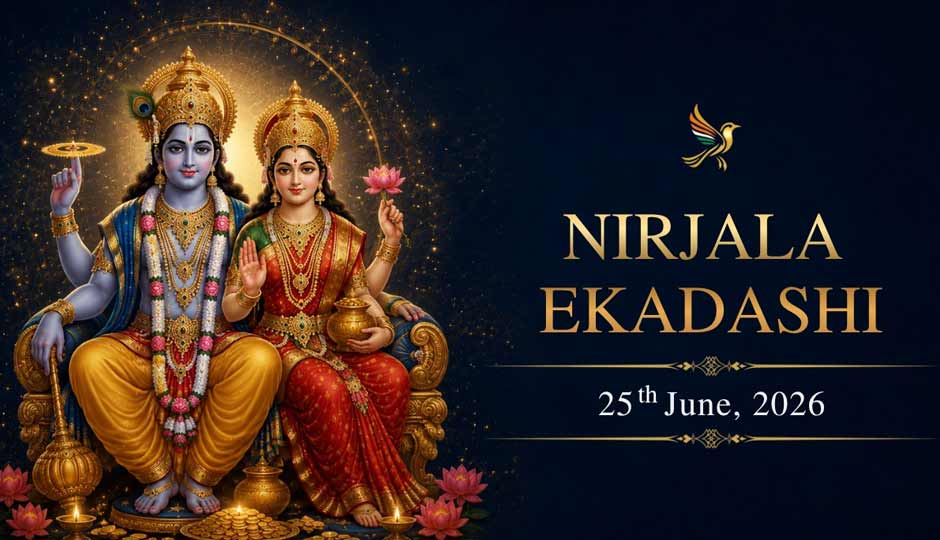
Every year, as the intense summer heat grips India in June, millions of devotees undertake one of the most rigorous fasts in Hindu tradition—abstaining not only from food but also from water from sunrise until the next morning. This sacred observance is known as Nirjala Ekadashi, and in 2026 it will be observed on Thursday, 25 June.
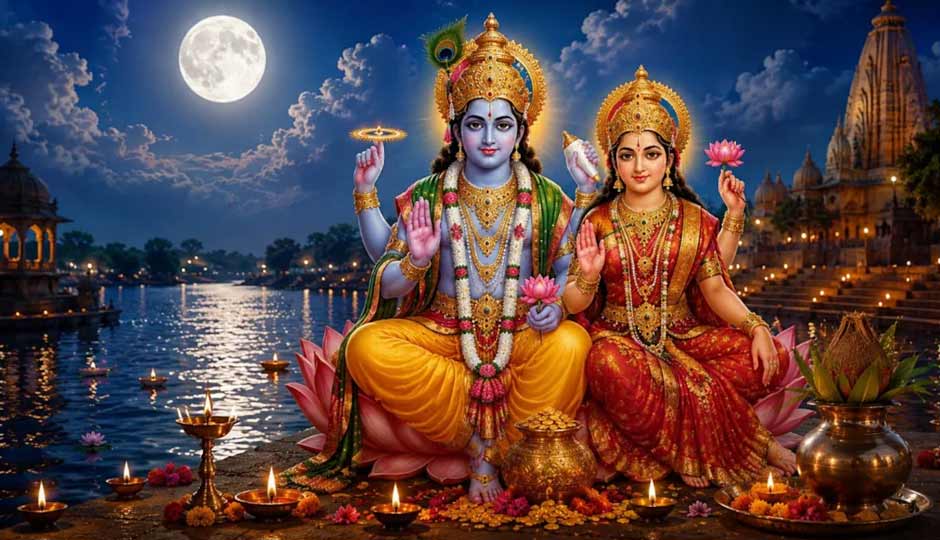
Among the twenty-four Ekadashis celebrated throughout the lunar year, Nirjala Ekadashi holds a unique and exalted position. Dedicated to Lord Trivikrama, a revered manifestation of Lord Vishnu, this fast is believed to grant the spiritual rewards of observing all Ekadashis in a single day. The term Nirjala literally translates to “without water,” highlighting the exceptional discipline associated with this vrat.
The Date and Timings: Panchang Details
According to the Panchang, the Ekadashi Tithi begins at 6:12 PM on 24 June 2026 and concludes at 8:09 PM on 25 June 2026. Since the Ekadashi Tithi remains in effect at sunrise on 25 June, devotees will observe the fast on that day. As the Tithi extends beyond sunset, the entire day is considered auspicious for the vrat.
Three important muhurat periods are especially significant for Vishnu worship:
Brahma Muhurta: Approximately 4:15 AM to 5:00 AM, ideal for meditation, prayers, and mantra chanting.
Abhijit Muhurta: Around 11:46 AM to 12:34 PM, considered universally auspicious for performing Vishnu Puja.
Evening Sandhya: Roughly 6:30 PM to 7:00 PM, suitable for Sandhyavandanam and lighting a ghee lamp.
The observance gains added significance this year as it falls on Thursday (Guruvar), a weekday traditionally dedicated to Lord Vishnu.
Parana (Breaking the Fast)
The auspicious time to break the fast on Dwadashi, 26 June 2026, is from 6:00 AM to 8:39 AM. Before concluding the vrat, devotees should worship Lakshmi-Narayana and offer food in charity. Since timings may vary slightly from one location to another, consulting a local Panchang is always recommended.
The Story of Bhima: The Origin of Nirjala Ekadashi
Nirjala Ekadashi is also popularly known as Bhimseni Ekadashi. Its origins are linked to Bhima, the mighty second Pandava known for his immense strength and appetite. Unable to observe the numerous Ekadashi fasts throughout the year, Bhima approached Sage Veda Vyasa for guidance.
Understanding Bhima's predicament, Vyasa advised him to observe a strict fast on a single Ekadashi by abstaining from both food and water from Ekadashi sunrise until Dwadashi sunrise, using water only for ritual purification during worship. Bhima was also instructed to remain devoted to Lord Vishnu throughout the night and perform acts of charity the following morning.
Bhima followed these instructions with complete dedication and was said to have earned the spiritual merit of all twenty-four Ekadashis through this one observance. Since then, the day has also been known as Pandava Nirjala Ekadashi and Papanashini Ekadashi, the destroyer of sins.
Puja Vidhi: How to Observe Nirjala Ekadashi
Devotees begin the day during Brahma Muhurta, taking a bath—preferably with a few drops of Ganga water mixed into the bathing water. After wearing clean yellow or white attire, they offer prayers to the Sun God and take a formal vow to observe the Nirjala fast.
The worship area is cleansed and decorated with a yellow cloth, upon which an idol or image of Lord Vishnu and Goddess Lakshmi is placed. Offerings typically include sandalwood paste, unbroken rice grains, yellow flowers, incense, and sacred Tulsi leaves. Performing Panchamrit Abhisheka is considered especially auspicious.
Throughout the day, devotees chant “Om Namo Bhagavate Vasudevaya”, recite the Vishnu Sahasranama, and read passages from the Bhagavad Gita. Those who are unable to observe a complete waterless fast due to health concerns, age, or medication may opt for a fruit-based (Phalahar) or water-permitted (Jalahar) fast. Devotion and sincerity remain the most important aspects of the observance.
What to Donate on Nirjala Ekadashi
Charity occupies a central place in the observance of Nirjala Ekadashi. Scriptures encourage devotees to donate essentials such as water, food, clothing, bedding, fans, and umbrellas to Brahmins and those in need.
As the festival occurs during the peak summer season, offering drinking water, buttermilk, cooling beverages, or meals to people working outdoors is considered especially meritorious. Such acts of generosity combine spiritual significance with practical compassion, reflecting the true spirit of the day. Donations should always be made respectfully and without any expectation of recognition or reward.