When Will Navratri Begin In 2026
By: Priyanka Maheshwari Tue, 22 Sep 2026 10:13:55
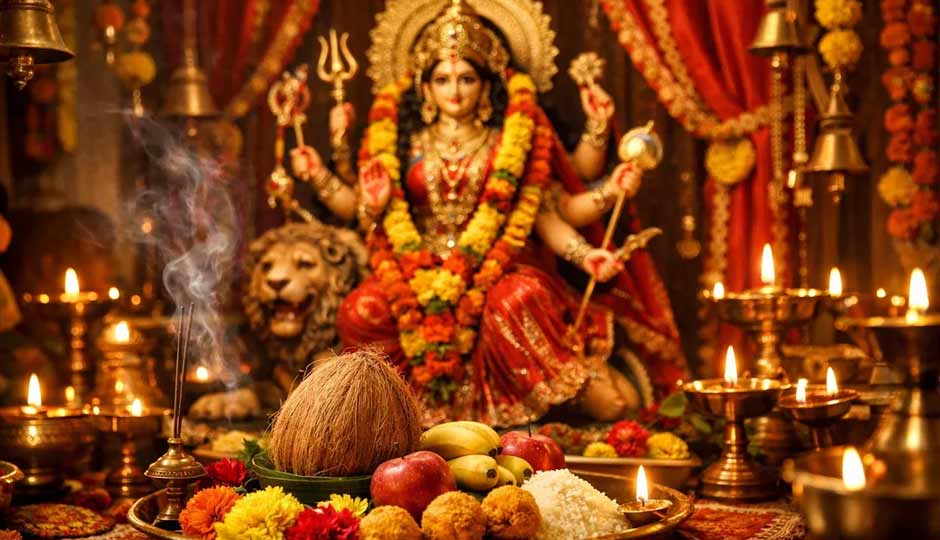
Nine sacred nights. Nine divine forms of Goddess Durga. And for millions of devotees across India, nine days of devotion and fasting that often begin before the first rays of the sun.
Sharad Navratri 2026 will be observed from Sunday, October 11, to Monday, October 19, followed by Vijayadashami, or Dussehra, on Tuesday, October 20. Regarded as the most prominent of the four Navratris celebrated during the year, the festival is marked by prayers, fasting, rituals and vibrant celebrations. Here is everything you need to know about the Navratri 2026 dates, important rituals, fasting rules and the legendary story behind these nine auspicious nights.
Navratri 2026 Date Calendar
The nine-day festival begins with Ghatasthapana, the traditional ritual of installing the sacred kalash, on the morning of October 11. The Ghatasthapana muhurat is expected to fall between approximately 6:19 am and 10:12 am. For devotees unable to perform the ritual during the morning window, an Abhijit Muhurat from around 11:44 am to 12:31 pm may also be considered.
Durga Ashtami will be observed on October 18, followed by Maha Navami on October 19. The festivities will conclude with Vijayadashami on October 20.
Each of the nine days of Sharad Navratri is traditionally dedicated to one of the nine forms of Goddess Durga, collectively known as Navadurga. The celebrations begin with Maa Shailaputri and culminate with Maa Siddhidatri on the ninth day.
Navratri Rituals: From Kalash Sthapana to Kanya Pujan
Navratri traditions differ across regions and communities, but several rituals remain central to the festival. The celebrations begin with Kalash Sthapana, during which a sacred pot symbolising divine energy is ceremonially installed. Barley seeds are also commonly sown beside the kalash and nurtured throughout the nine days.
In Gujarat and Maharashtra, the evenings come alive with energetic Garba and Dandiya celebrations, with devotees often dancing late into the night. In West Bengal, the period is closely associated with the grand celebrations of Durga Puja, which honour Goddess Durga's victory over evil.
For many families, the festival concludes with Kanya Pujan, generally performed on Ashtami or Navami. Young girls are invited into homes and worshipped as manifestations of the goddess before being served a traditional festive meal.
Navratri Fasting Rules: Foods To Eat and Avoid
For many devotees, Navratri fasting is not simply about avoiding food but about following a more sattvic and disciplined diet. During the vrat, commonly avoided foods include grains such as wheat and rice, pulses and lentils, onion, garlic, alcohol and non-vegetarian foods.
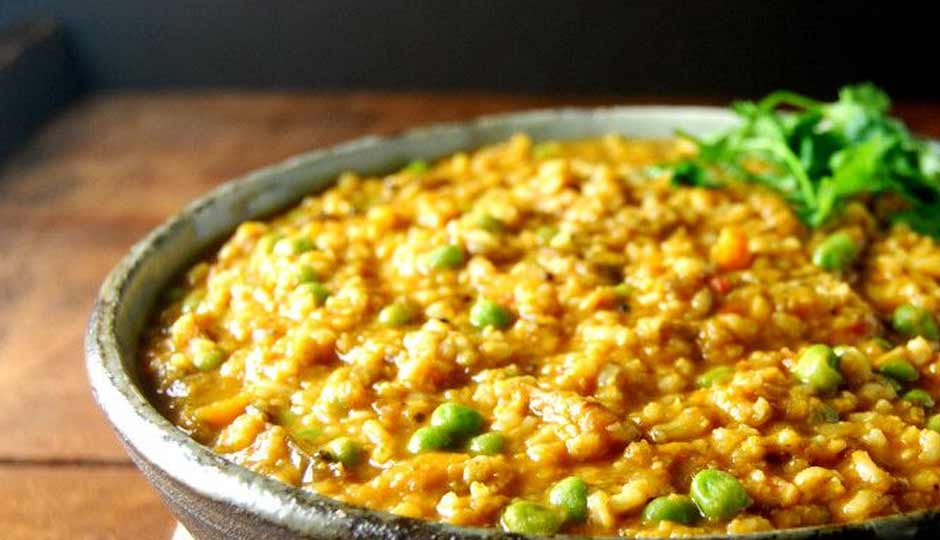
Instead, fasting meals often include buckwheat or kuttu flour, water chestnut or singhara flour, sabudana, barnyard millet, potatoes, sweet potatoes, pumpkin and cucumber. Fruits, milk, curd, paneer and dry fruits are also popular choices during the fasting period.
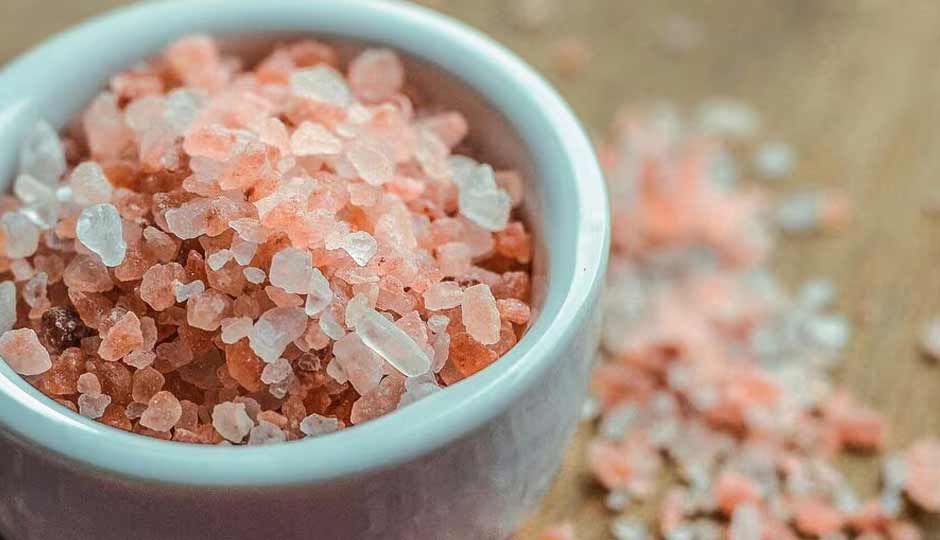
Regular table salt is generally replaced with sendha namak, or rock salt. Those observing a fast should pay attention to hydration and overall nutrition. Rather than relying heavily on fried vrat snacks, it is preferable to choose balanced meals and eat smaller portions at regular intervals.
People with medical conditions, those taking medication, pregnant women and others with specific dietary requirements should follow personalised advice from a qualified healthcare professional before undertaking prolonged or restrictive fasting.
The Story Behind the Nine Nights of Navratri
The central legend associated with Navratri revolves around Mahishasura, the powerful shape-shifting demon who, according to Hindu mythology, received a boon that made him impossible for any man or god to defeat.
As Mahishasura's power grew and he threatened the gods and the world, the deities combined their divine energies to create Goddess Durga. Depicted as a powerful warrior goddess with ten arms, Durga was given weapons by different gods and rode into battle on a lion.
The battle between Goddess Durga and Mahishasura continued for nine nights, ultimately ending with the goddess defeating the demon. These nine nights are therefore associated with the triumph of divine power over evil, while Vijayadashami marks the culmination of the celebration.
In North India, Dussehra also commemorates Lord Rama's victory over Ravana, with large effigies of Ravana, Kumbhakarna and Meghnad traditionally burned during public celebrations. Although the stories differ, both traditions centre on the symbolic victory of good over evil.