
10 Effective Home Remedies To Treat Itchy Skin In Kids In Winter
By: Priyanka Maheshwari Sun, 25 Oct 2026 11:06:11
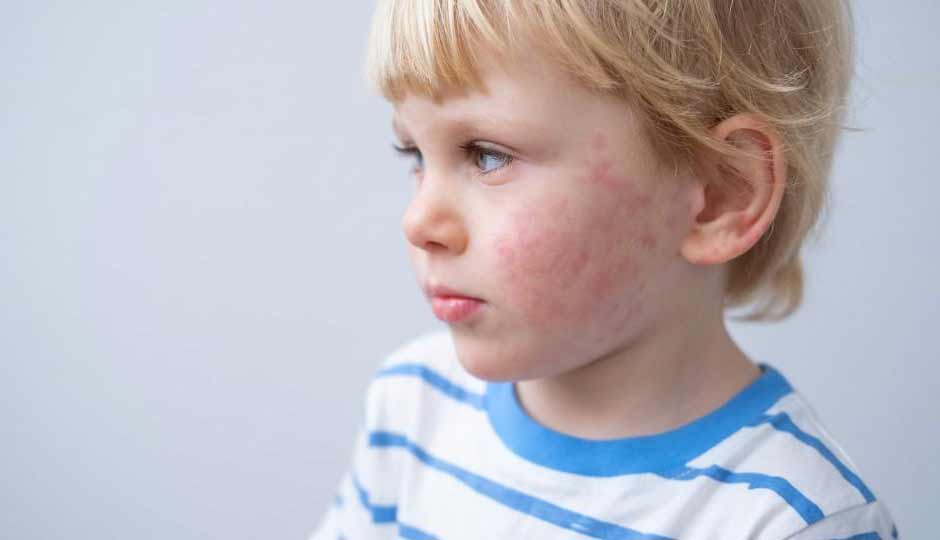
Winter can be particularly challenging for children's delicate skin. As temperatures drop, humidity levels decrease, and indoor heating becomes more common, the skin can lose moisture more quickly than usual. This often leads to dryness, itching, redness, flakiness, and irritation. Children with sensitive skin or eczema may experience these symptoms more frequently during the colder months.
Itchy skin in kids during winter can also be triggered by hot baths, harsh soaps, woollen clothes, fragranced skincare products, and excessive sweating under layers of clothing. Although mild dryness can often be managed with gentle skincare and simple home remedies, persistent itching may sometimes indicate eczema, an allergic reaction, or another skin condition.
Fortunately, a few easy home remedies can help soothe irritation, restore moisture, and protect your child's skin during winter. The key is to use gentle, child-friendly methods and avoid ingredients that could worsen the irritation. Here are 10 effective home remedies to help relieve itchy skin in children during winter.
1. Apply a Fragrance-Free Moisturiser
One of the most effective ways to manage winter itching is to keep your child's skin moisturised. Cold weather and dry indoor air can weaken the skin's protective barrier, allowing moisture to escape and making the skin more vulnerable to irritation.
How to use it:
- Choose a thick, fragrance-free cream or ointment designed for sensitive skin.
- Apply it immediately after bathing while the skin is still slightly damp.
- Reapply at least two to three times daily, or whenever the skin feels dry.
- Pay extra attention to the elbows, knees, hands, legs, and other areas prone to dryness.
Petroleum jelly can also help seal in moisture, particularly on very dry patches. Choose products without perfumes, essential oils, or unnecessary botanical additives.
Why it helps: Regular moisturising reduces water loss, supports the skin barrier, and can relieve itching caused by dryness. For children with eczema, consistent moisturiser use is an important part of daily skin care.
2. Give Your Child a Lukewarm Bath
Bathing habits can significantly affect your child's skin during winter. Although a hot bath may feel comforting in cold weather, hot water can strip away natural oils and worsen dryness and itching.
How to do it:
- Use lukewarm water instead of hot water.
- Keep baths short, ideally around five to ten minutes.
- Use a mild, fragrance-free cleanser only where necessary.
- Avoid vigorous scrubbing, rough washcloths, and harsh exfoliating products.
- Gently pat the skin dry with a soft towel rather than rubbing it.
Apply a moisturiser within a few minutes of bathing to help retain moisture.
Why it helps: Short, lukewarm baths gently cleanse the skin without excessively removing its natural oils. Following the bath with a moisturiser helps maintain hydration and reduce irritation.
3. Use a Cool, Damp Compress
A cool compress is a simple way to provide temporary relief when your child experiences intense itching. Scratching can further irritate the skin, create small wounds, and increase the risk of infection.
How to use it:
1. Take a clean, soft cotton cloth.
2. Soak it in cool water and squeeze out the excess.
3. Place it gently over the itchy area for five to ten minutes.
4. Remove the cloth and pat the skin dry.
5. Apply a fragrance-free moisturiser if the skin is dry.
Repeat when needed, using a fresh, clean cloth each time.
Why it helps: Cool temperatures can temporarily reduce the sensation of itching and soothe irritated skin. This is especially useful before bedtime, when itching may interfere with sleep.
Avoid applying ice directly to your child's skin, as it can cause cold injury.
4. Choose Soft Cotton Clothing
The clothes your child wears can make a noticeable difference to winter skin irritation. Wool, rough fabrics, tight clothing, and some synthetic materials may rub against the skin and trigger itching, particularly in children with sensitive skin or eczema.
How to manage it:
- Dress your child in soft, breathable cotton clothing next to the skin.
- Avoid direct contact between rough woollen sweaters and sensitive areas.
- Use loose-fitting layers instead of tight clothing.
- Remove damp clothes promptly after sweating or playing.
- Wash new clothes before your child wears them.
Choose fragrance-free laundry detergent and avoid fabric softeners if they seem to trigger irritation.
Why it helps: Soft fabrics reduce friction, while breathable layers help prevent overheating and sweat accumulation. Both can help minimise itching and discomfort during winter.
5. Use a Humidifier in Dry Rooms
Indoor heating, low humidity, and dry winter air can contribute to moisture loss from children's skin. If your home feels particularly dry, a humidifier may help improve indoor comfort.
How to use it:
- Place a cool-mist humidifier in your child's bedroom if the air is dry.
- Follow the manufacturer's instructions for cleaning and maintenance.
- Empty and refill the water regularly.
- Keep humidity around 30–50% and avoid excessive dampness, which can encourage mould growth.
Keep the appliance out of your child's reach and avoid hot-steam humidifiers because of the risk of burns.
Why it helps: Maintaining comfortable indoor humidity may reduce the drying effects of winter air. However, a humidifier works best alongside regular moisturising rather than as a replacement for it.
6. Apply Petroleum Jelly to Very Dry Patches
Petroleum jelly is a simple, inexpensive option for protecting dry areas of children's skin. It forms a protective layer that helps prevent moisture from escaping.
How to use it:
- Gently clean the affected area with lukewarm water.
- Pat the skin dry, leaving it slightly damp.
- Apply a thin layer of plain petroleum jelly.
- Repeat as needed, particularly after bathing and before bedtime.
It can be useful for dry hands, elbows, knees, and small patches of rough skin.
Why it helps: Petroleum jelly acts as an occlusive moisturiser, helping lock in water and protect the skin barrier.
Avoid applying it to infected or weeping skin without medical advice. If your child has widespread irritation or a rash that keeps returning, consult a paediatrician rather than relying solely on petroleum jelly.
7. Try a Colloidal Oatmeal Bath
Colloidal oatmeal is finely ground oatmeal formulated to disperse in water. It is commonly used in skincare products to soothe dry, irritated skin and may help relieve mild itching.
How to use it:
1. Choose a commercially prepared colloidal oatmeal bath product suitable for your child's age.
2. Add it to lukewarm bathwater according to the product instructions.
3. Allow your child to soak briefly, following the recommended bathing time.
4. Rinse if directed by the product label.
5. Pat the skin dry and apply a fragrance-free moisturiser.
Supervise young children throughout the bath to prevent slipping or accidental swallowing.
Why it helps: Colloidal oatmeal can help soothe irritation and support skin hydration. However, avoid it if your child has a known oat allergy or develops irritation after use.
8. Keep Your Child's Nails Short and Clean
Scratching may provide momentary relief, but repeated scratching can damage the skin, worsen inflammation, and cause infections. Young children may scratch unconsciously while sleeping.
How to prevent scratching:
- Trim your child's nails regularly and keep them clean.
- Smooth sharp nail edges with a nail file.
- Encourage gentle pressing or patting instead of scratching.
- Use soft cotton gloves at night if appropriate and comfortable for your child.
- Apply a cool compress when the itching becomes bothersome.
For babies, ensure that any hand coverings fit safely and do not pose a choking or entanglement risk.
Why it helps: Keeping nails short reduces the chance of skin damage and secondary infection. These steps do not treat the underlying cause of itching, but they help protect irritated skin while it heals.
9. Use Gentle, Fragrance-Free Skincare Products
Children's skin can react to perfumes, harsh detergents, scented soaps, bubble baths, and certain skincare ingredients. During winter, when the skin barrier is already dry, these products may worsen irritation.
What you can do:
- Replace strongly scented soaps with mild, fragrance-free cleansers.
- Avoid bubble baths and perfumed body washes.
- Choose moisturisers labelled fragrance-free rather than merely unscented.
- Introduce new skincare products one at a time.
- Stop using any product that appears to cause burning, redness, or worsening itching.
Avoid applying lemon juice, vinegar, baking soda, undiluted essential oils, or fragranced herbal mixtures to itchy skin. These may irritate children's skin further.
Why it helps: Reducing exposure to irritating ingredients can help protect the skin barrier and prevent further dryness or inflammation.
10. Encourage Hydration and a Balanced Diet
Healthy skin benefits from adequate nutrition and hydration. Although drinking extra water will not directly cure winter itching, ensuring that your child drinks enough fluids and eats a balanced diet supports overall health.
Helpful habits include:
- Offer water regularly throughout the day.
- Include seasonal fruits and vegetables in meals.
- Provide age-appropriate sources of protein, such as lentils, beans, eggs, dairy, or other suitable foods.
- Include healthy fat sources, such as nuts or seeds in safe, age-appropriate forms.
- Maintain regular meals and adequate sleep.
For young children, whole nuts can pose a choking risk, so use safe forms appropriate to their age.
Why it helps: A balanced diet supplies nutrients needed for normal skin function. However, food supplements or dietary changes are not established treatments for ordinary winter dryness, and restrictive diets should not be started without medical advice.