12 Effective Home Remedies To Treat Blackheads On The Nose Naturally
By: Priyanka Maheshwari Sun, 11 Oct 2026 11:23:30
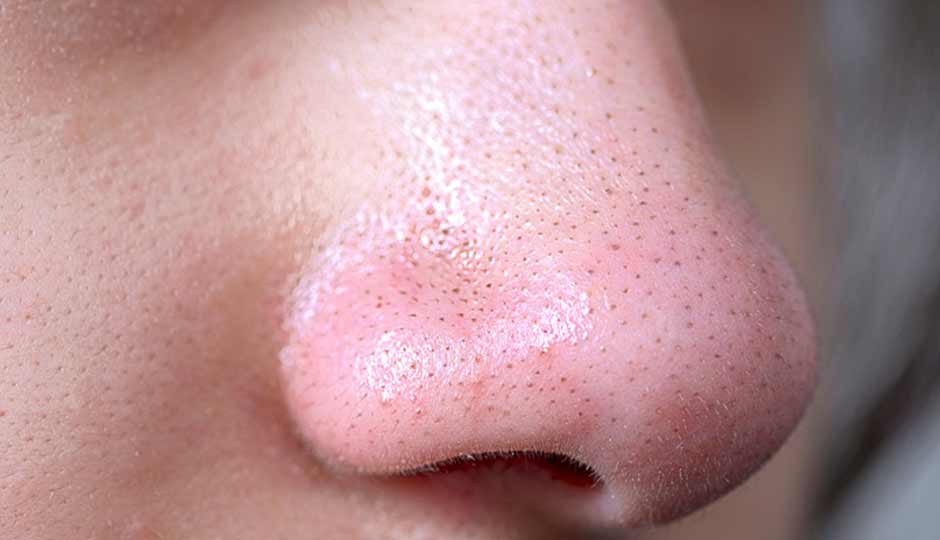
Blackheads are one of the most common skin concerns, particularly around the nose, where the skin tends to produce more oil. They appear as tiny black or dark-coloured spots when hair follicles become clogged with excess sebum, dead skin cells and impurities. When the opening of a clogged pore remains exposed to air, the material inside undergoes oxidation, resulting in its dark appearance.
Blackheads are a type of open comedone and are commonly associated with oily and combination skin. Hormonal changes, excessive oil production, certain skincare products and inadequate cleansing may contribute to their formation. However, the dark dots visible on the nose are not always blackheads. Sometimes, they are sebaceous filaments, which are natural structures that help carry oil to the skin's surface.
Although blackheads can be stubborn, you do not necessarily need expensive skincare treatments to manage them. Some simple home remedies and gentle skincare practices may help reduce excess oil, remove surface impurities and improve the appearance of clogged pores. Ingredients such as aloe vera, honey and oatmeal can support gentle skincare, while evidence-based ingredients such as salicylic acid may be more effective at treating blackheads.
Here are 12 home remedies and skincare methods that may help you manage blackheads on your nose safely and effectively.
1. Honey for Blackheads on the Nose
Honey is a natural humectant that helps attract and retain moisture in the skin. It also has properties that have been studied for their potential antimicrobial effects. Although honey is not a proven treatment for removing blackheads from deep within pores, it can be used as a gentle skincare ingredient.
How to use it:
Take one teaspoon of plain honey.
Apply a thin layer to clean, damp skin around the nose.
Leave it on for 10–15 minutes.
Rinse thoroughly with lukewarm water.
Apply a lightweight, non-comedogenic moisturiser.
Frequency: Two or three times a week, if your skin tolerates it.
Benefits: Honey can help soften the skin and prevent dryness. Avoid using it if you are allergic to honey or bee-derived products.
2. Aloe Vera Gel to Soothe the Skin
Aloe vera is widely used in skincare because of its moisturising and soothing properties. It may help calm irritated skin, especially if your nose feels dry after cleansing. However, aloe vera does not directly dissolve the material responsible for blackheads.
How to use it:
Take a small amount of pure aloe vera gel.
Apply a thin layer to the nose.
Leave it on for 10–15 minutes if using it as a rinse-off mask.
Wash it off and apply moisturiser.
Frequency: Two or three times a week.
Benefits: Aloe vera may help soothe the skin and support hydration. Choose a fragrance-free product and perform a patch test before applying it to your face.
3. Oatmeal Paste for Gentle Exfoliation
Oatmeal is known for its soothing properties and can help remove loose dirt and surface oil when used as a gentle cleanser. Unlike harsh scrubs, finely ground oats may be less irritating when handled carefully.
How to use it:
Mix one teaspoon of finely ground oats with enough water to form a smooth paste.
Apply it gently to the nose.
Leave it on for 5–10 minutes.
Rinse with lukewarm water without scrubbing.
Frequency: Once or twice a week, depending on your skin's sensitivity.
Benefits: Oatmeal can help soothe dry or irritated skin. It will not clear deeply clogged pores, so avoid rubbing the paste vigorously.
4. Clay Mask to Absorb Excess Oil
Clay masks, particularly those containing kaolin or bentonite, can absorb excess oil from the skin. Since excess sebum can contribute to blackhead formation, clay masks may temporarily make the nose appear less oily and improve the appearance of pores.
How to use it:
Mix a small amount of cosmetic-grade kaolin clay with water according to the product instructions.
Spread a thin layer over the nose.
Leave it on for the recommended time, avoiding excessive drying.
Rinse gently and apply moisturiser.
Frequency: Once a week initially.
Benefits: Clay may reduce surface oil and shine. It does not permanently shrink pores or remove every blackhead.
Tip: If your skin feels tight, flaky or irritated after using a clay mask, reduce the frequency or discontinue it.
5. Green Tea for Oily Skin
Green tea contains polyphenols, including catechins, that have antioxidant properties. Some skincare research suggests that topical green tea formulations may help with oiliness, although evidence specifically supporting green tea as a blackhead treatment remains limited.
How to use it:
Brew a cup of green tea and allow it to cool completely.
Dip a clean cotton pad into the tea.
Gently dab it over the nose.
Leave it on briefly, then rinse if your skin feels sticky or uncomfortable.
Frequency: Two or three times a week.
Benefits: Green tea may offer antioxidant benefits and can be a gentle addition to a skincare routine. Prepare it fresh, avoid applying hot tea and discontinue use if irritation occurs.
6. Honey and Oatmeal Mask
Combining honey with finely ground oatmeal creates a moisturising mask that may help soften the skin and remove loose surface impurities. This combination is suitable for people who want a gentle, non-abrasive skincare option.
How to use it:
Mix one teaspoon of honey with one teaspoon of finely ground oatmeal.
Add a few drops of water if needed.
Apply the mixture to the nose without rubbing.
Leave it on for 5–10 minutes.
Rinse thoroughly and moisturise.
Frequency: Once a week.
Benefits: The mixture may help soften and soothe the skin. It is not a proven pore-clearing treatment, so do not rely on it as the only method for persistent blackheads.
7. Use a Warm Compress Before Cleansing
A warm compress can soften surface oil and loosen debris, making cleansing more comfortable. However, steam and warm water do not open pores physically or remove established blackheads on their own.
How to use it:
Soak a clean, soft washcloth in comfortably warm water.
Wring out the excess water.
Place it gently over the nose for 3–5 minutes.
Wash the area with a mild cleanser.
Pat dry and apply moisturiser.
Frequency: As needed, provided your skin tolerates it.
Benefits: This method can make cleansing more comfortable and help loosen surface debris.
Precaution: Avoid very hot water, direct steam from boiling water and vigorous rubbing, as these can cause irritation or burns.
8. Use a Gentle Cleanser Twice Daily
One of the simplest ways to manage blackheads is to cleanse the skin consistently. A gentle cleanser helps remove excess oil, sunscreen, makeup and everyday impurities that accumulate on the skin.
How to use it:
Choose a mild, non-comedogenic facial cleanser.
Wet your face with lukewarm water.
Massage the cleanser gently over the nose using your fingertips.
Rinse thoroughly.
Pat your skin dry with a clean towel.
Frequency: Morning and evening, and after sweating heavily when needed.
Benefits: Regular cleansing helps maintain skin hygiene and reduces the buildup of oil and residue. Avoid washing your face excessively, as this may cause dryness and irritation without preventing blackheads.
9. Try Salicylic Acid for Clogged Pores
Salicylic acid is one of the more evidence-based options for managing blackheads. It is a beta hydroxy acid (BHA) that helps exfoliate inside the pore and loosen the buildup of dead skin cells and sebum.
Unlike most kitchen-based remedies, salicylic acid is specifically used in skincare formulations designed for clogged pores.
How to use it:
Choose a commercially formulated salicylic acid product, such as a 0.5–2% cleanser or leave-on product.
Start with a lower concentration and use it two or three times a week, following the product instructions.
Apply it to clean, dry skin if using a leave-on product.
Follow with a non-comedogenic moisturiser.
Use broad-spectrum sunscreen with SPF 30 or higher during the day.
Frequency: Start slowly and increase only if your skin tolerates it.
Benefits: Salicylic acid may help unclog pores, reduce blackheads and prevent new blockages from forming.
Precautions: Avoid combining it initially with other strong exfoliants or retinoids. Stop if you experience significant burning, swelling or persistent irritation. If you have very sensitive skin or a skin condition, seek advice from a dermatologist before use.
10. Apply a Lightweight, Non-Comedogenic Moisturiser
It may seem counterintuitive to moisturise oily skin, but skipping moisturiser can leave the skin dry and irritated, particularly when using blackhead treatments.
How to use it:
Wash your face with a gentle cleanser.
Apply a lightweight moisturiser while the skin is slightly damp.
Choose a product labelled non-comedogenic, meaning it is formulated to be less likely to clog pores.
Frequency: Every day, morning and evening, as needed.
Benefits: Moisturising supports the skin barrier and can improve tolerance to treatments such as salicylic acid.
Tip: Look for a lightweight lotion or gel if your nose becomes oily quickly.
11. Use a Retinoid if Blackheads Keep Returning
Topical retinoids, such as adapalene, help normalise the shedding of skin cells within follicles and are commonly used to treat comedonal acne. They can be helpful when blackheads persist despite a consistent cleansing routine.
How to use it:
Consult a dermatologist or pharmacist about an appropriate product.
If suitable, apply a pea-sized amount to the acne-prone area as directed, generally at night.
Begin gradually to minimise dryness and irritation.
Use moisturiser and daily sunscreen.
Frequency: Follow the product instructions and professional advice.
Benefits: Retinoids can help prevent clogged pores and reduce recurring blackheads over time.
Precautions: Retinoids may cause dryness, peeling and irritation. Do not use topical retinoids during pregnancy or when trying to conceive unless your treating clinician specifically advises otherwise. If you are breastfeeding, consult your clinician before use.
12. Maintain a Consistent Skincare Routine
Blackheads often return because pores continue to produce sebum and shed skin cells. A regular skincare routine is generally more useful than repeatedly trying harsh masks or quick fixes.
Follow these simple steps:
Morning: Use a gentle cleanser, apply a lightweight moisturiser and finish with broad-spectrum SPF 30+ sunscreen.
Evening: Cleanse your face to remove sunscreen, makeup and oil.
Blackhead treatment: Introduce salicylic acid or another suitable treatment gradually, rather than using several active ingredients at once.
Weekly care: Use a gentle clay mask if your skin is oily and tolerates it.
Daily habits: Keep your hands away from your nose and clean makeup tools regularly.
Benefits: A consistent routine can help reduce pore congestion, protect the skin barrier and make blackheads easier to manage over time.