- Home›
- Healthy Living›
- 12 Effective Home Remedies To Treat Sneezing During Diwali Naturally
12 Effective Home Remedies To Treat Sneezing During Diwali Naturally
By: Priyanka Maheshwari Sun, 11 Oct 2026 11:35:11
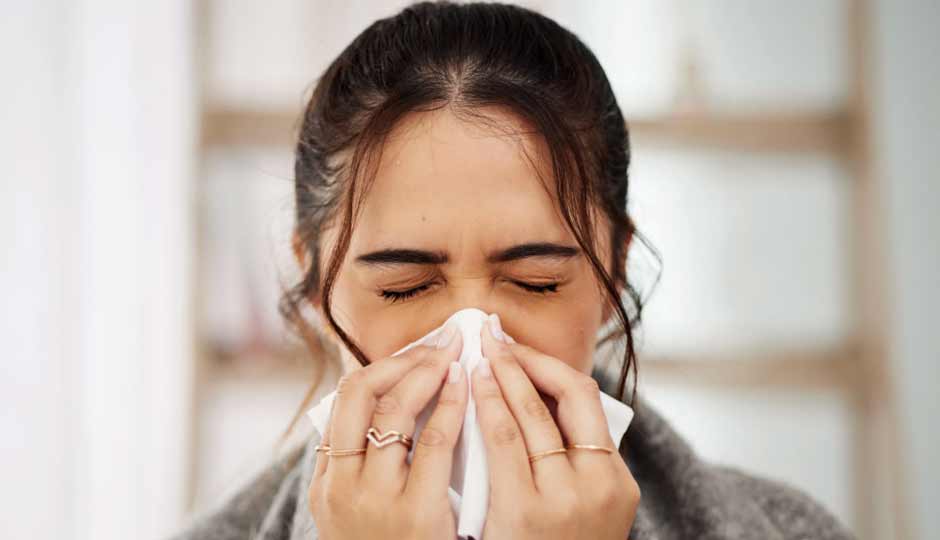
Diwali is a festival of lights, celebrations, sweets and family gatherings. However, for many people, the festive season also brings frequent sneezing, a runny nose, nasal irritation and watery eyes. Increased exposure to dust, smoke from firecrackers, incense sticks, scented candles, cleaning products and air pollution can irritate the nasal passages and trigger allergic reactions. People who already have allergies, allergic rhinitis or asthma may experience more noticeable symptoms during this period.
Sneezing is the body's natural way of removing irritants from the nose. Although occasional sneezing is usually harmless, repeated sneezing can become uncomfortable and interfere with sleep, work and festive activities. Fortunately, several simple home remedies can help soothe nasal irritation and reduce exposure to common triggers.
From using saline nasal sprays to drinking warm fluids and keeping indoor air clean, these remedies may provide relief from mild symptoms. However, it is important to remember that home remedies cannot completely prevent an allergic reaction or treat every underlying cause of sneezing. If symptoms persist, worsen or occur alongside breathing difficulties, medical advice is essential.
1. Use a Saline Nasal Spray
A saline nasal spray is one of the simplest ways to relieve sneezing caused by dust, smoke and other airborne irritants during Diwali. It contains a saltwater solution that helps moisturise the nasal passages and flush out mucus and particles that may trigger irritation.
How to use it:
Purchase a sterile saline nasal spray from a pharmacy.
Follow the instructions on the packaging for the recommended number of sprays.
Use it after exposure to dusty or smoky environments, if needed.
Clean the nozzle according to the manufacturer's instructions.
Why it may help: Saline can loosen mucus, relieve nasal dryness and wash away some irritants. It does not contain the medication found in many allergy sprays and is generally suitable for routine nasal hygiene when used as directed.
If you prefer a nasal rinse rather than a spray, use only distilled, sterile or previously boiled and cooled water. Never use untreated tap water for nasal irrigation.
2. Drink Warm Water Throughout the Day
Staying hydrated is important when dealing with nasal irritation during Diwali. Warm water may soothe an irritated throat, especially if frequent sneezing is accompanied by postnasal drip or throat dryness.
How to follow this remedy:
Sip warm water throughout the day.
Keep a glass of water nearby, particularly after spending time outdoors.
Avoid water that is excessively hot, as it may burn the mouth or throat.
Reduce exposure to smoke and dust rather than relying on water alone.
Why it may help: Adequate hydration supports normal mucus production and may make secretions easier to clear. However, drinking warm water does not directly stop an allergic reaction or cure allergy-related sneezing.
3. Try Honey for Throat Irritation
Repeated sneezing can sometimes be accompanied by a scratchy throat or coughing because mucus drains down the back of the nose. Honey may help soothe throat irritation and cough, making it a useful supportive remedy during the festive season.
How to use it:
Take one teaspoon of honey on its own.
Alternatively, mix it into lukewarm water or a caffeine-free drink.
Use it when needed for throat discomfort rather than as a treatment for the sneezing itself.
Why it may help: Honey has soothing properties and some evidence supports its use for cough relief. However, there is insufficient evidence that it treats allergic rhinitis or reliably reduces sneezing caused by firecracker smoke and dust.
Important: Never give honey to children under one year of age.
4. Take a Warm Shower After Outdoor Exposure
During Diwali, airborne particles can settle on your hair, skin and clothing. If you have been outdoors around firecrackers, dust or heavy traffic, taking a shower may help remove these particles and reduce continued exposure.
How to follow this remedy:
Take a comfortable, lukewarm shower after returning home.
Wash your hair if it has been exposed to significant smoke or dust.
Change into clean clothes.
Place worn outdoor clothes in the laundry basket rather than on your bed.
Why it may help: Removing particles from your body and clothing can reduce the chance of continued exposure to irritants. This is particularly useful for people whose symptoms worsen after spending time outside.
Avoid very hot showers because excessive heat and strong fragrances from soaps or shampoos can aggravate irritation in some people.
5. Use a Clean, Damp Cloth to Remove Dust
Diwali cleaning often involves disturbing accumulated dust from cupboards, curtains, shelves, fans and decorative items. These particles may become airborne and trigger repeated sneezing, especially in people sensitive to dust mites.
How to follow this remedy:
Wipe furniture with a damp microfiber cloth.
Avoid dry dusting, which can send particles into the air.
Clean surfaces before decorating the house.
Wash dusty cushion covers, pillowcases and other washable fabrics.
Wear a well-fitting mask while cleaning if dust triggers your symptoms.
Why it may help: Damp cleaning traps dust instead of spreading it into the air. It is a practical preventive measure that may reduce exposure to common nasal irritants.
Whenever possible, ask someone else to handle particularly dusty cleaning if your symptoms are severe.
6. Keep Indoor Air as Clean as Possible
Smoke from firecrackers, incense and other combustion sources can enter homes and irritate the nose and respiratory tract. Keeping indoor air clean is especially important if sneezing becomes frequent during Diwali evenings.
How to follow this remedy:
Avoid bursting firecrackers near doors, windows or balconies.
Keep windows closed when outdoor smoke levels are high.
Use a properly sized portable HEPA air purifier, if available.
Avoid smoking indoors and minimise incense, dhoop and scented candle use.
Ventilate the house when outdoor air quality improves.
Why it may help: Reducing indoor particle pollution can lower exposure to smoke and airborne irritants. A HEPA air purifier can capture many airborne particles, although it will not remove every gas or chemical pollutant.
Do not assume that keeping windows closed is always best. Ventilate when outdoor air is cleaner, and avoid activities that generate additional indoor pollution.
7. Try a Warm, Caffeine-Free Drink
A warm drink can provide comfort when sneezing is accompanied by a dry or irritated throat. Ginger tea or another mild, caffeine-free beverage may be a pleasant option during Diwali, particularly in the evening.
How to prepare ginger tea:
Ingredients:
1 cup of water
2–3 thin slices of fresh ginger
A little honey, if desired
Method:
Bring the water to a boil.
Add the ginger slices and simmer for approximately five minutes.
Strain the drink into a cup.
Allow it to cool to a comfortable temperature before drinking.
Add honey if desired.
Why it may help: Warm fluids may soothe the throat and help maintain hydration. Ginger is commonly used in home remedies, but strong evidence that ginger tea stops allergy-related sneezing is lacking.
Avoid adding ingredients that you know trigger allergies or worsen reflux.
8. Avoid Direct Exposure to Firecracker Smoke
One of the most important ways to manage sneezing during Diwali is to minimise exposure to smoke. Firecracker emissions contain fine particles and gases that can irritate the nose, eyes and airways.
Practical steps to follow:
Stay indoors when the surrounding air is visibly smoky or pollution levels are high.
Avoid standing near people bursting firecrackers.
Keep children, older adults and people with asthma away from smoky areas.
Do not burn firecrackers in enclosed spaces.
If you must go outside in polluted conditions, a well-fitting N95 respirator can reduce exposure to airborne particles, although it does not eliminate exposure to gases.
Why it may help: Removing the trigger is often more effective than trying to relieve symptoms after exposure. If smoke repeatedly causes sneezing, watery eyes or coughing, limiting exposure should be a priority.
9. Wash Your Face and Hands After Coming Indoors
Dust and other particles can settle on the face, hands and around the nose during outdoor activities. Washing these areas after returning indoors can help reduce continued contact with irritants.
How to follow this remedy:
Wash your hands with mild soap and water.
Gently rinse your face with clean, lukewarm water.
Avoid rubbing your nose or eyes vigorously.
Use a clean towel to pat your face dry.
If smoke exposure has irritated your eyes, rinse them gently with clean water.
Why it may help: Removing particles from exposed skin may reduce irritation and prevent them from being transferred to the eyes or nose. This measure supports hygiene but does not treat the underlying allergy.
10. Keep Your Bedroom Free From Dust
Frequent sneezing can feel especially troublesome at night or early in the morning. Dust mites, pet dander and particles brought indoors on clothing may contribute to symptoms in sensitive individuals.
How to follow this remedy:
Wash bedsheets and pillowcases regularly.
Keep outdoor clothes away from the bed.
Clean bedside tables and other surfaces with a damp cloth.
Reduce clutter that collects dust.
Keep pets out of the bedroom if pet dander triggers symptoms.
Consider allergen-resistant mattress and pillow covers if dust-mite allergy is suspected.
Why it may help: Reducing bedroom allergens can help minimise exposure during sleep. This is particularly useful for people who experience sneezing every morning or notice symptoms when lying down.
11. Avoid Strong Perfumes and Incense
Festive preparations often involve room fresheners, perfumes, incense sticks, dhoop and scented candles. Although these products may create a pleasant atmosphere, their fragrances and emissions can irritate sensitive nasal passages.
How to follow this remedy:
Choose fragrance-free cleaning products.
Avoid spraying perfume or room freshener near your face.
Reduce or temporarily stop using incense and dhoop if they trigger symptoms.
Decorate with flowers, diyas and other alternatives that do not produce smoke.
Avoid essential oil diffusers if their fragrances aggravate your sneezing.
Why it may help: Strong fragrances and smoke can trigger non-allergic nasal irritation even in people who do not have a specific allergy. Identifying and avoiding personal triggers may help reduce episodes.
12. Use a Mask When Cleaning or Around Dust
Wearing a suitable mask can help reduce the amount of airborne dust and fine particles you inhale during Diwali cleaning or when you must pass through polluted outdoor areas.
How to follow this remedy:
Choose a well-fitting N95 respirator for protection against airborne particles.
Ensure it fits closely around the nose and mouth.
Avoid repeatedly touching the front of the mask.
Replace it if it becomes damaged, dirty or difficult to breathe through.
Combine mask use with damp cleaning and reduced exposure to smoke.
Why it may help: A properly fitted N95 respirator can filter many fine particles, including some found in smoke and dust. It does not eliminate exposure to all pollutants and is not a substitute for avoiding heavily polluted environments.