
- Home›
- Hunger Struck›
- Navratri Recipe- 8 Low Oil Vrat Dishes You Can Try
Navratri Recipe- 8 Low Oil Vrat Dishes You Can Try
By: Priyanka Maheshwari Sun, 11 Oct 2026 11:44:12
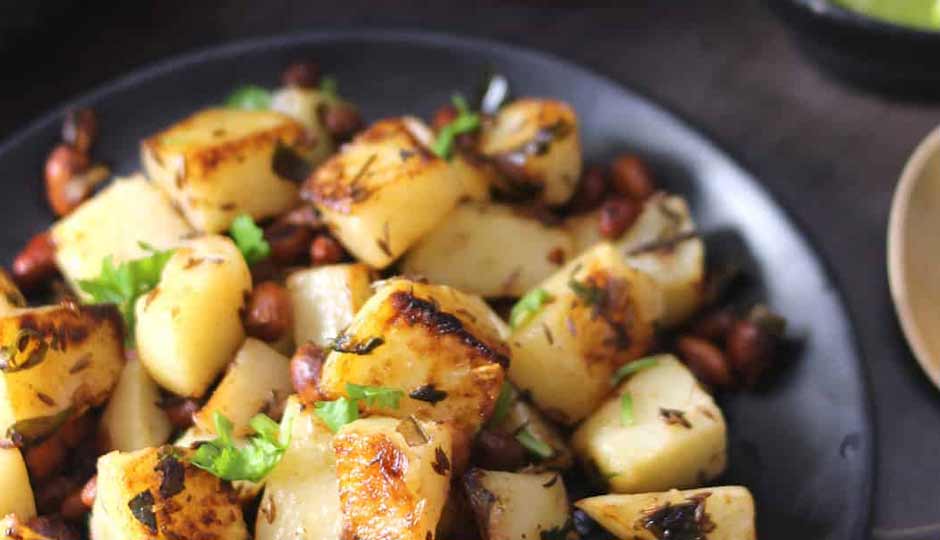
Navratri fasting is traditionally associated with simple, light meals. However, vrat menus can sometimes become surprisingly heavy due to deep-fried favourites such as kuttu puris, aloo tikkis and sabudana vadas. According to the Indian Council of Medical Research's National Institute of Nutrition (ICMR-NIN), 56.4 per cent of India's disease burden is associated with unhealthy diets, making Navratri a good opportunity to adopt healthier eating habits. These healthy Navratri recipes feature ingredients commonly consumed during fasting and rely on minimal ghee or oil, with some requiring no added fat at all.
The ICMR-NIN's 2024 dietary guidelines recommend limiting the intake of fats and oils, keeping total fat consumption at 30 per cent or less of daily energy intake, and moderating saturated fat consumption, including from ghee. Since traditional fasting meals can sometimes contain generous amounts of ghee, measuring the quantity used can make a meaningful difference. The following recipes use healthier cooking methods such as dry roasting, steaming, shallow cooking on a non-stick pan, baking and air-frying.
1. Dry-Roasted Makhana
Heat two cups of makhana in a heavy-bottomed pan over a low flame for eight to ten minutes, stirring frequently until the makhana becomes crisp. Season with sendha namak and freshly ground black pepper for a simple, crunchy fasting snack.
Makhana provides plant-based protein and can be a convenient alternative to fried namkeen during Navratri. Dry-roasting eliminates the need for added oil or ghee, helping keep the calorie content lower than that of fat-roasted versions. Enjoy it between meals whenever you need a light snack.
2. Samak Rice Khichdi With Just One Teaspoon of Ghee
Rinse half a cup of samak rice, also known as barnyard millet, and soak it for approximately 15 minutes. Heat one teaspoon of ghee in a pan, add cumin seeds, green chilli, diced potato and chopped bottle gourd, and sauté briefly. Add the soaked rice and water in an appropriate proportion, then cover and cook for 10–12 minutes or until the rice becomes soft.
Finish with crushed peanuts and a squeeze of lemon juice for extra flavour. This comforting khichdi combines grains with vegetables and can make a satisfying fasting meal. Including millets in a balanced diet is also consistent with ICMR-NIN's broader dietary recommendations.
3. Sabudana Khichdi With a Healthier Twist
Rinse the sabudana pearls thoroughly until the water runs mostly clear. Soak them until they soften and can be easily crushed between two fingers, then drain any excess water. Since sabudana is predominantly starch and relatively low in protein, pairing it with peanuts, curd or other fasting-permitted protein sources can help make the meal more balanced.
Dry-roast the peanuts separately. Heat one teaspoon of ghee in a pan, add cumin seeds, green chilli and boiled potato, and cook briefly. Add the soaked sabudana and roasted peanuts, then cook for another three to four minutes, stirring gently until the pearls turn translucent. Serve with a bowl of plain curd for added protein and a more satisfying meal.
4. Kuttu and Lauki Chilla on a Non-Stick Tawa
Combine one cup of kuttu atta (buckwheat flour) with one cup of grated bottle gourd. Add sendha namak, cumin seeds and finely chopped green chilli. Gradually mix in water to prepare a smooth, pourable batter.
Heat a non-stick tawa and spread a ladleful of batter into a thin chilla. Cook on both sides using approximately half a teaspoon of oil per chilla, until golden and cooked through. Buckwheat is naturally gluten-free, making it an alternative to wheat flour for those avoiding gluten. Adding bottle gourd also increases the vegetable content of this fasting-friendly dish.
Serve the chillas hot with plain curd or a fasting-permitted chutney for a wholesome breakfast or light dinner.
5. Steamed Samak Rice Idli
For a light alternative to fried fasting snacks, try soft and fluffy samak rice idlis. Soak one cup of samak rice in water for approximately two hours. Grind it with half a cup of curd, adding a little water if needed, to create a thick batter. Allow the batter to rest for a few hours, depending on the consistency and fermentation desired.
Lightly grease the idli moulds, pour in the batter and steam for 10–12 minutes, or until the idlis are cooked through. Use only a few drops of oil to grease the moulds.
Serve the warm idlis with a chutney prepared from roasted peanuts and green chillies, ensuring that all ingredients comply with your fasting customs. Steaming keeps the recipe light while preserving the soft texture of the idlis without deep-frying.
6. Oven-Roasted or Air-Fried Sweet Potato Chaat
Peel and cut two sweet potatoes into bite-sized cubes. Toss them with one teaspoon of oil, sendha namak and black pepper. Spread the cubes in a single layer on a baking tray and roast in a preheated oven at 200°C for 20–25 minutes, turning them once halfway through. Alternatively, air-fry them for approximately 15–18 minutes, checking for tenderness and adjusting the cooking time as needed.
Once cooked, sprinkle roasted cumin powder over the sweet potatoes and add fresh lemon juice and chopped coriander. Toss everything together and serve warm.
Sweet potatoes provide fibre and naturally occurring carbohydrates, making this chaat a flavourful alternative to deep-fried aloo tikkis. The combination of spices, lemon and fresh coriander adds flavour without requiring additional oil.
7. Cucumber and Peanut Raita Without Added Oil
Whisk one cup of plain curd until smooth. Add grated cucumber, two tablespoons of crushed roasted peanuts, sendha namak and roasted cumin powder. Mix well and chill briefly before serving.
This refreshing raita provides protein from curd and peanuts, while cucumber contributes water and a fresh crunch. It also makes a useful accompaniment to starch-rich fasting dishes such as sabudana khichdi and samak rice.
Since the recipe requires no added oil, it is an easy way to introduce variety and balance into a Navratri meal. For additional flavour, you can garnish it with a little chopped coriander.
8. Makhana Kheer Sweetened With Dates
Dry-roast one cup of makhana in a pan until crisp, then crush it coarsely. Add the crushed makhana to two cups of milk and simmer over a low flame for approximately 15 minutes, stirring occasionally until the mixture thickens and the makhana softens.
Add three or four finely chopped dates and a pinch of cardamom powder. Simmer for a few more minutes to allow the flavours to combine. Serve warm or chilled, according to your preference.
Dates provide natural sweetness and can reduce the need for added refined sugar, although they still contribute to the overall sugar and calorie content of the dish. ICMR-NIN's dietary guidance recommends limiting free sugar intake, so keeping the portion moderate is important even when using natural sweeteners.
This creamy makhana kheer is a delicious way to satisfy sweet cravings during Navratri without relying on large quantities of refined sugar or added ghee.