
14 Amazing Benefits Of Coconut Oil For Skin And Hair
By: Priyanka Maheshwari Mon, 26 Oct 2026 11:00:01
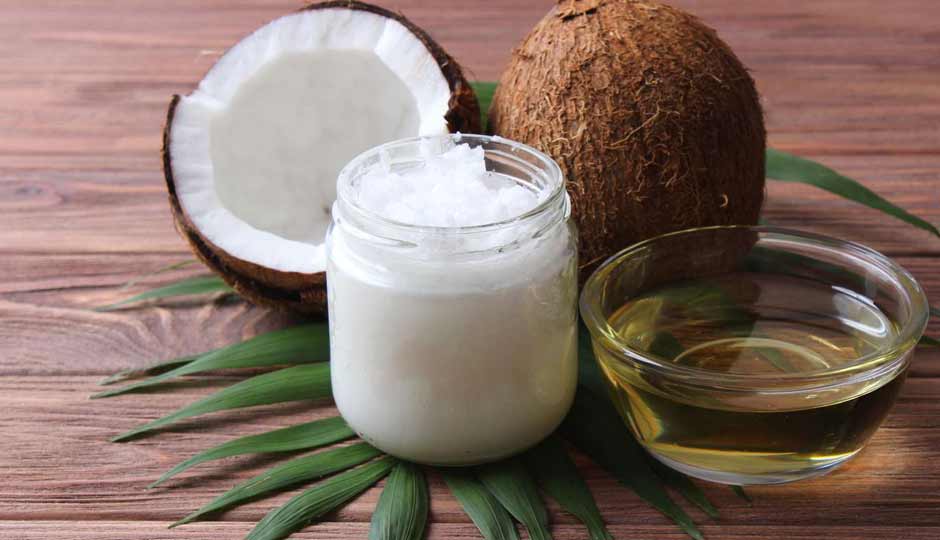
Coconut oil is one of the most popular natural ingredients used in traditional beauty routines. Extracted from mature coconuts, this versatile oil is widely used to moisturise dry skin, nourish hair, reduce moisture loss and improve the overall feel of the skin and hair. Rich in fatty acids, particularly lauric acid, coconut oil is known for its emollient properties, making it a useful addition to many personal care routines.
Whether you want to manage dry skin, soften rough patches, tame frizzy hair or protect your hair from damage caused by everyday grooming, coconut oil offers several potential benefits. It can be applied directly to the skin and hair or incorporated into homemade beauty treatments.
However, coconut oil may not suit everyone. It can clog pores and trigger breakouts in people with acne-prone skin, while excessive application to the scalp may leave the hair greasy. Understanding how to use it correctly can help you make the most of this natural ingredient.
Let's explore 14 amazing benefits of coconut oil for skin and hair, along with practical ways to incorporate it into your beauty routine.
Benefits of Coconut Oil for Skin
1. Helps Moisturise Dry Skin
One of the most well-known benefits of coconut oil is its ability to moisturise dry skin. Its fatty acids help soften the skin and reduce moisture loss by forming a protective layer on the surface.
Regular use may help improve the appearance and feel of rough, flaky skin, particularly on the hands, legs, elbows and knees.
How to use it: Apply a small amount of coconut oil to slightly damp skin after bathing. Massage gently until it spreads evenly. Start with a small quantity to avoid a greasy finish.
2. Helps Strengthen the Skin's Moisture Barrier
The skin barrier helps retain moisture and protect the skin from external irritants. When this barrier becomes dry or compromised, the skin may feel tight, rough or uncomfortable.
Coconut oil can act as an emollient and occlusive ingredient, helping soften the skin and reduce water loss. Some research suggests that virgin coconut oil may improve skin barrier function, although results can vary depending on the individual and the skin condition.
Best for: People with dry or rough skin who tolerate coconut oil well.
3. May Help Soothe Dry, Itchy Skin
Dryness can sometimes cause itching, tightness and mild discomfort. By moisturising the skin, coconut oil may help relieve itching associated with simple dryness.
Its moisturising properties may also be useful as part of a gentle skincare routine for people experiencing rough patches.
How to use it: Apply a thin layer to a small area of clean skin and observe how your skin responds.
Important: If itching is persistent, severe or accompanied by redness, swelling or a rash, seek medical advice. Coconut oil is not a substitute for prescribed treatment for eczema, dermatitis or skin infections.
4. Helps Soften Rough Areas of the Body
Elbows, knees, heels and knuckles often become rough because of friction, frequent washing and moisture loss. Coconut oil can soften these areas and make the skin feel smoother.
Its rich texture makes it particularly useful for areas that need extra moisturisation.
How to use it: Massage a small amount onto rough areas before bedtime. For dry feet, apply the oil and wear comfortable cotton socks, provided your feet are not slippery when walking.
5. May Help Improve the Appearance of Dry Cuticles
Cuticles around the nails can become dry and peel due to frequent handwashing, detergents and environmental exposure.
Coconut oil helps lubricate and soften the skin surrounding the nails, making cuticles look healthier and less rough.
How to use it: Massage a tiny drop around each nail and cuticle. Repeat as needed, especially after washing your hands.
6. Provides Antioxidant Compounds
Virgin coconut oil may contain small amounts of antioxidant compounds, including certain phenolic substances. Antioxidants help counter oxidative processes that can contribute to skin ageing.
However, the presence of antioxidants does not mean coconut oil is a proven anti-ageing treatment. Evidence that applying coconut oil directly to the skin reduces wrinkles or reverses sun damage remains limited.
Beauty tip: Use coconut oil primarily for moisturising rather than relying on it to prevent premature ageing. Daily broad-spectrum sunscreen remains essential for protecting skin from UV damage.
7. May Help Support Skin Comfort After Washing
Frequent bathing, hot water and harsh cleansers can strip the skin of its natural oils, leaving it dry and uncomfortable.
Applying coconut oil after washing may help reduce moisture loss and leave the skin feeling soft. It can be particularly useful during cold or dry weather when the skin tends to lose moisture more quickly.
How to use it: Pat your skin dry with a towel, leaving it slightly damp, and apply a thin layer of coconut oil.
8. Helps Remove Some Types of Makeup
Coconut oil can dissolve oily makeup products, including certain foundations, lipsticks and waterproof cosmetics. Its oily texture helps loosen makeup so that it can be wiped away more easily.
However, it may leave a residue and can irritate the eyes or clog pores in susceptible individuals.
How to use it: Gently massage a small amount onto makeup-covered skin, avoiding direct contact with the eyes. Remove it with a soft cloth and follow with a gentle facial cleanser.
Note: If you have acne-prone skin, a non-comedogenic cleansing balm or micellar water may be a better option.
Benefits of Coconut Oil for Hair
9. Helps Reduce Protein Loss from Hair
One of the best-studied benefits of coconut oil for hair is its potential to reduce protein loss. Hair is primarily made of a protein called keratin, and repeated washing, chemical treatments and heat styling can contribute to damage.
Coconut oil contains lauric acid, a fatty acid that has an affinity for hair proteins and can penetrate the hair shaft more effectively than some other oils. Research has found that coconut oil can reduce protein loss when used before or after washing.
How to use it: Apply a small amount to the mid-lengths and ends of dry hair before shampooing. Leave it on for around 30 minutes, then wash thoroughly.
10. Helps Condition Dry and Rough Hair
Dry hair can feel coarse, dull and difficult to manage. Coconut oil coats the hair strands, helping improve softness and making the hair feel smoother.
It can be especially useful for hair that has become dry due to frequent washing, environmental exposure or styling.
How to use it: Warm a few drops between your palms and distribute them through the mid-lengths and ends. Use less if your hair is fine or gets oily quickly.
11. Helps Reduce Frizz and Flyaways
Frizz often develops when hair loses moisture or becomes rough and damaged. Coconut oil can help smooth the outer surface of the strands and reduce friction, making the hair easier to manage.
It may also help tame flyaways and give the hair a more polished appearance.
How to use it: Rub one or two drops between your palms and lightly smooth them over the ends and frizzy sections of your hair.
Avoid applying too much oil near the roots, as it can make your hair appear greasy and weighed down.
12. Helps Protect Hair During Grooming
Brushing, combing, towel-drying and heat styling can create friction that contributes to hair breakage. Coconut oil may help reduce friction and improve the lubricating properties of the hair strands.
By helping reduce protein loss and making hair easier to detangle, it may support better hair manageability and reduce some forms of grooming-related damage.
How to use it: Apply a small amount before washing or use a tiny quantity on the ends before gently detangling your hair.
Coconut oil does not eliminate damage from excessive heat, bleaching or tight hairstyles, so protective hair practices remain important.
13. Adds Shine to Dull Hair
Hair can look dull when its outer surface becomes rough and reflects light unevenly. Coconut oil can help smooth the hair surface, giving strands a shinier appearance.
It may be particularly beneficial for dry, thick, curly or textured hair that tends to lose moisture and shine.
How to use it: Apply a very small amount to the ends after styling. Start with just a drop or two and add more only if needed.
Remember that shine from oil is primarily a cosmetic effect. It does not necessarily indicate that the hair is growing faster or becoming healthier at the follicle level.
14. Helps Make Hair Easier to Detangle
Knots and tangles can cause unnecessary pulling and breakage during brushing. Coconut oil can lubricate hair strands, reduce friction and make detangling more manageable.
This may be particularly useful for long, curly, coarse or chemically treated hair.
How to use it: Apply a small amount to the lengths of your hair before detangling. Use a wide-tooth comb, begin at the ends and work gradually towards the roots.
Avoid pulling aggressively through knots, as even well-conditioned hair can break under excessive tension.