15 Benefits Of Using Onion For Skin And Hair
By: Priyanka Maheshwari Sat, 29 Aug 2026 10:54:52
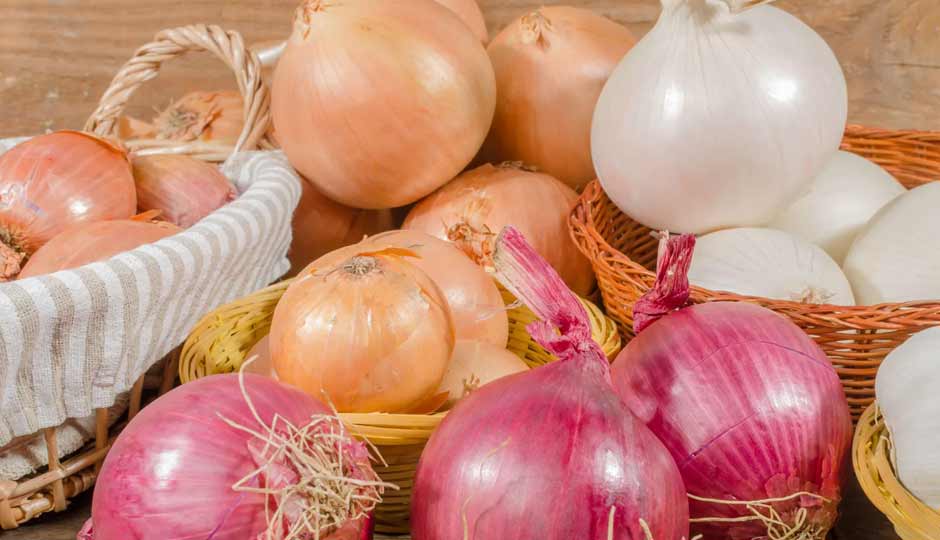
Onion is more than just a kitchen staple. Rich in sulfur compounds, antioxidants, vitamin C, and other plant compounds, onion has long been used in traditional beauty remedies for supporting healthy-looking skin and hair. Onion juice, in particular, is commonly used in DIY hair-care routines, while fresh onion and onion-based preparations can provide antioxidant support when included in the diet.
Onions are a kitchen essential, but this humble vegetable may also have a place in your beauty routine. Packed with antioxidants, sulfur-containing compounds, vitamin C, and other beneficial plant nutrients, onions have traditionally been used in natural remedies for supporting healthy skin and hair. From onion juice applied to the scalp to adding fresh onions to your everyday diet, this simple ingredient is often associated with stronger-looking hair, a healthier scalp, and naturally glowing skin.
The sulfur compounds found in onions are particularly interesting when it comes to hair care, as sulfur is associated with the structure of keratin, the protein that makes up much of our hair. Meanwhile, antioxidants such as quercetin and vitamin C can help support the body's defenses against oxidative stress, which is linked to skin and hair aging.
Although onion should not be viewed as a miracle beauty treatment, incorporating it into a balanced diet—and using topical onion preparations carefully—may complement a healthy skin and hair-care routine. So, before you dismiss onions as just another ingredient in your kitchen, discover how this everyday vegetable may offer some surprising beauty benefits.
However, it is important to distinguish traditional uses from scientifically established benefits. Onion may support skin and hair health, but it should not be considered a cure for hair loss, infections, acne, or other medical conditions.
Benefits of Onion for Skin
1. Helps Protect Skin From Free-Radical Damage
Onions contain antioxidants such as quercetin and vitamin C, which help combat oxidative stress caused by free radicals. Excessive oxidative stress can contribute to premature skin aging and damage.
Including antioxidant-rich foods such as onion in a balanced diet may therefore support overall skin health.
2. Supports Collagen Production
Vitamin C plays an important role in collagen synthesis, and collagen is essential for maintaining skin structure, firmness, and elasticity.
Regularly consuming vitamin-C-containing foods, including onions, can contribute to the nutrients needed for healthy skin.
3. May Help Maintain a Healthy Skin Barrier
Onions contain several nutrients and plant compounds that can contribute to overall skin health. A healthy diet supports the skin barrier, which helps the skin retain moisture and protect itself from environmental stressors.
However, applying raw onion directly to the skin is not necessary to obtain these nutritional benefits.
4. May Support Brighter-Looking Skin
The antioxidants in onions may help reduce oxidative stress, while vitamin C supports normal skin function. Together, these properties may contribute to a healthier and more radiant appearance over time.
A balanced diet, adequate hydration, sunscreen, and good skin care remain much more important for improving overall skin appearance.
5. May Have Antimicrobial Properties
Onions contain sulfur-containing compounds and other plant chemicals that have demonstrated antimicrobial activity in laboratory studies.
This has contributed to the traditional use of onion in home remedies. However, laboratory antimicrobial activity does not mean onion can safely treat a skin infection, so persistent rashes, infections, or wounds should be evaluated by a healthcare professional.
6. May Help Support Wound Healing Nutritionally
Vitamin C is involved in collagen formation and normal wound healing. Since onions provide some vitamin C, they can contribute to a diet that supports the body's natural repair processes.
This does not mean onion juice should be applied to open wounds.
7. May Help With Signs of Premature Aging
Oxidative stress is one factor associated with premature skin aging. Onion's antioxidant compounds may help the body manage oxidative stress when onion is consumed as part of a varied diet.
For visible premature aging, however, daily sunscreen and appropriate skin care have a much stronger evidence base.
8. Supports Overall Skin Nutrition
Healthy skin depends on adequate intake of protein, vitamins, minerals, healthy fats, antioxidants, and fluids. Onion can be a useful addition to a balanced diet because it provides plant compounds and several micronutrients while adding flavor without many calories.
Benefits of Onion for Hair
1. May Support Hair Growth
Onion juice is one of the most popular DIY remedies for hair growth. A small clinical study found that topical onion juice was associated with hair regrowth in people with patchy alopecia areata.
However, the evidence is limited, and this does not establish onion juice as a proven treatment for common hair loss or androgenetic alopecia.
2. Sulfur May Support Healthy Hair
Onions contain sulfur-containing compounds. Sulfur is a component of certain amino acids, including cysteine, which is important for keratin—the structural protein that makes up hair.
Adequate sulfur-containing amino acids in the overall diet therefore contribute to normal hair structure.
3. May Help Improve the Appearance of Weak Hair
Hair fiber is primarily made of keratin. A nutritious diet containing adequate protein and essential nutrients is important for maintaining strong, healthy-looking hair.
Onion can be part of such a diet, although eating onion alone will not repair damaged hair.
4. May Support Scalp Health
Onion contains compounds with antioxidant and antimicrobial properties. This is one reason onion juice has traditionally been used on the scalp.
However, scalp problems such as dandruff, seborrheic dermatitis, psoriasis, or fungal infections require appropriate treatment rather than relying solely on onion.
5. May Help Reduce Oxidative Stress Around the Scalp
Antioxidants help protect cells from oxidative stress. Because the scalp contains living skin cells and hair follicles, maintaining overall antioxidant nutrition may contribute to a healthy scalp environment.
This is a supportive benefit rather than a guaranteed hair-growth treatment.
6. May Help Improve Hair Texture Indirectly
A healthy diet supports normal hair formation. Onions provide plant compounds and small amounts of nutrients that contribute to overall nutritional intake.
For dry or rough hair, however, external conditioning, reducing heat damage, and using suitable hair-care products are generally more effective than applying onion.
7. May Be Useful in a Natural Hair-Care Routine
Some people use diluted onion juice as a pre-shampoo scalp treatment. If someone chooses to try it, a patch test is important, because onion juice can cause burning, redness, itching, or irritation.
It should never be applied to an irritated, broken, or wounded scalp.