15 Home Remedies To Treat Skin Redness In Kids
By: Priyanka Maheshwari Fri, 02 Oct 2026 8:10:57
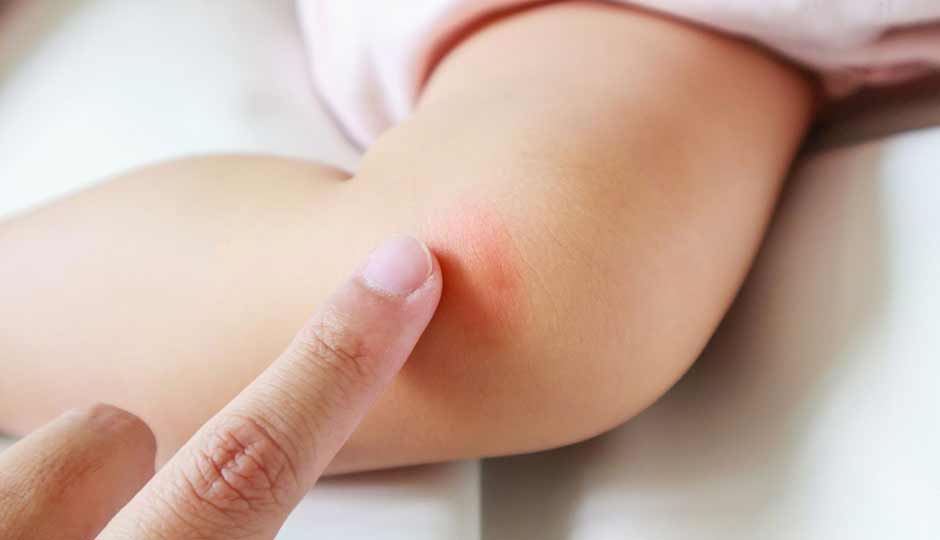
Skin redness is common in children and may occur because of heat, sweating, dry skin, insect bites, mild irritation, friction, or sensitivity to soaps and skincare products. A child’s skin is more delicate than adult skin, so even minor exposure to an irritant can sometimes cause redness, itching or discomfort.
For mild and temporary redness, simple home-care measures can help soothe the skin and support the skin barrier. However, the right remedy depends on the underlying cause. It is important to avoid harsh ingredients, essential oils, strong fragrances and DIY treatments that may further irritate sensitive skin.
Here are some gentle home remedies and care tips that parents can consider for mild skin redness in children.
1. Apply a Cool Compress
A cool compress can be one of the simplest ways to calm mildly red and irritated skin.
How to use it:
Soak a clean, soft cloth in cool water.
Wring out the excess water.
Gently place it over the affected area for 5–10 minutes.
Repeat a few times during the day if needed.
Do not apply ice directly to a child's skin.
The cool temperature may temporarily reduce discomfort and the feeling of warmth or itching.
2. Give the Skin a Gentle Oatmeal Bath
Colloidal oatmeal is commonly used to soothe dry, itchy and irritated skin. For children with mild redness associated with dryness or irritation, an oatmeal bath can provide gentle relief.
How to use it:
Use finely ground plain oats or, preferably, commercially prepared colloidal oatmeal.
Add it to lukewarm bath water according to the product instructions.
Let the child soak for around 10–15 minutes.
Pat the skin dry gently rather than rubbing it.
Apply a fragrance-free moisturiser afterward.
Avoid hot water because it can make dryness and irritation worse.
3. Use a Fragrance-Free Moisturiser
Dryness can weaken the skin barrier and contribute to redness. Regular moisturising can help keep children's skin hydrated and protected.
How to use it:
Choose a fragrance-free, dye-free moisturiser designed for sensitive skin.
Apply it shortly after bathing while the skin is still slightly damp.
Reapply whenever the skin becomes dry.
For very dry areas, a thicker cream or ointment may work better than a lightweight lotion.
Look for products containing gentle moisturising ingredients such as petrolatum or ceramides.
4. Keep Baths Short and Lukewarm
Long, hot baths can remove natural oils from a child's skin and potentially worsen dryness and redness.
For better skin care:
Use lukewarm rather than hot water.
Keep baths relatively short.
Choose a mild, fragrance-free cleanser.
Avoid scrubbing the affected skin.
Pat the skin dry with a soft towel.
This approach helps minimise unnecessary irritation.
5. Use Gentle, Breathable Clothing
Heat and friction can aggravate red or irritated skin, particularly in areas such as the neck, underarms, thighs and back.
Try these measures:
Dress the child in loose-fitting cotton clothing.
Avoid rough or scratchy fabrics.
Change sweaty clothes promptly.
Keep skin folds clean and dry.
Avoid excessively tight waistbands or straps over irritated areas.
This is particularly useful when redness appears after outdoor play or sweating.
6. Keep the Child Cool During Hot Weather
Heat rash is a common reason children develop small red bumps or patches, particularly during hot and humid weather.
To reduce heat-related irritation:
Keep the child in a cool, well-ventilated environment.
Encourage regular water intake.
Dress them in lightweight clothing.
Change damp or sweaty clothes.
Give the skin time to remain cool and dry.
Avoid applying heavy, greasy products over areas affected by heat rash unless recommended by a healthcare professional.
7. Use Plain Petroleum Jelly for Dry, Irritated Areas
Plain petroleum jelly can create a protective barrier over dry and irritated skin. It may be particularly helpful when redness is associated with dryness or chafing.
How to use it:
Clean the area gently.
Pat it dry.
Apply a thin layer of plain petroleum jelly.
Reapply when necessary.
Avoid using it on areas that appear infected, oozing or significantly inflamed without medical advice.
8. Avoid Potential Skin Irritants
Sometimes the best "home remedy" is simply removing whatever may be causing the irritation.
Common triggers can include:
Strong soaps
Fragranced lotions
Bubble baths
Perfumes
Fabric softeners
Certain detergents
New skincare products
Rough fabrics
Excessive sweating
If redness started after introducing a new product, stop using it and observe whether the skin improves.
9. Keep the Skin Clean Without Overwashing
Keeping irritated skin clean is important, but excessive washing can worsen dryness and irritation.
Gentle cleansing tips:
Use lukewarm water.
Use a mild, fragrance-free cleanser when necessary.
Do not scrub red patches.
Avoid rough washcloths or exfoliating products.
Pat rather than rub the skin dry.
10. Prevent Scratching
Scratching can further irritate already red skin and may cause small cuts that increase the risk of infection.
Parents can help by:
Keeping the child's fingernails short.
Encouraging gentle touching instead of scratching.
Using a cool compress for temporary relief.
Dressing the child in soft clothing.
Addressing the possible cause of itching rather than repeatedly treating the scratch marks.
For persistent itching, consult a pediatrician rather than relying solely on home remedies.
11. Protect the Skin From Sun Exposure
Sun exposure can cause redness and irritation, especially on sensitive children's skin.
For outdoor activities:
Encourage children to stay in the shade when possible.
Use lightweight, protective clothing.
Consider a broad-spectrum, water-resistant sunscreen appropriate for the child's age.
Reapply sunscreen as directed on the product label.
For babies and very young children, sun-protection recommendations can differ, so parents should follow pediatric guidance.
12. Give the Skin a Break From New Products
If your child has suddenly developed redness, avoid experimenting with multiple home remedies or skincare products at once.
Instead:
Stop recently introduced products.
Cleanse gently.
Use a simple fragrance-free moisturiser.
Keep the area cool and protected.
Monitor the skin for changes.
Introducing several products simultaneously can make it difficult to identify the cause of irritation.
13. Avoid Applying Lemon, Baking Soda or Essential Oils
Many traditional DIY skincare remedies are not appropriate for children's sensitive skin.
Avoid applying ingredients such as:
Lemon juice
Undiluted apple cider vinegar
Baking soda
Toothpaste
Essential oils
Strong herbal preparations
Scrubs made with sugar or salt
These substances can irritate the skin and potentially make redness worse.
14. Keep Irritated Skin Dry Where Appropriate
Moisture trapped in skin folds can contribute to irritation, particularly around the neck, groin, underarms and diaper area.
Parents can:
Gently clean the area.
Pat it completely dry.
Change wet or sweaty clothing promptly.
Allow skin folds to remain ventilated when practical.
Avoid excessive rubbing.
If the area becomes intensely red, develops small bumps, cracks, discharge or an unpleasant smell, it should be evaluated by a healthcare professional.
15. Observe What Triggers the Redness
Keeping track of when redness appears can help identify the cause.
For example, note whether it occurs:
After bathing
After eating a particular food
After outdoor play
After using a particular soap or cream
After sweating
After wearing particular clothing
After an insect bite
During a particular season
If the redness repeatedly returns, discuss the pattern with your child's pediatrician or dermatologist.