16 Home Remedies To Treat Pimples On The Chin Naturally
By: Priyanka Maheshwari Sun, 04 Oct 2026 1:10:54
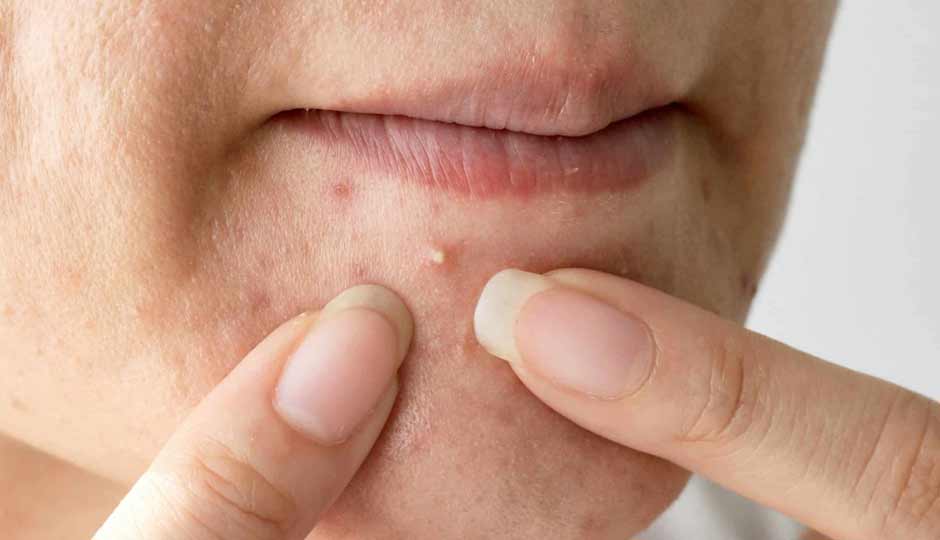
Pimples on the chin are common and can occur because of excess oil, clogged pores, hormonal fluctuations, stress, sweat, friction, or touching the face frequently. While occasional chin pimples can often be managed with a gentle skincare routine and simple home measures, painful, recurring or deep acne may require dermatological treatment.
Here are some safe home remedies and habits that may help reduce chin pimples and prevent new breakouts:
1. Apply a Cold Compress
A cold compress can temporarily reduce redness, swelling and discomfort, particularly when a pimple is inflamed.
How to use it:
Wrap a few ice cubes in a clean, soft cloth.
Gently place it over the affected area for about 1–2 minutes.
Remove it and allow the skin to rest.
Repeat once or twice if needed.
Important: Never place ice directly on the skin, as it can cause irritation or an ice burn.
2. Use a Warm Compress for Tender Pimples
A warm compress may be soothing for a painful, deep pimple. Warmth can soften surface oil and provide comfort.
How to use it:
Soak a clean washcloth in comfortably warm water.
Wring out excess water.
Hold it gently against the chin for 5–10 minutes.
Use a clean cloth each time.
Avoid very hot water because it can irritate already inflamed skin.
3. Keep the Chin Clean
Oil, sweat, makeup and environmental dirt can contribute to clogged pores. Washing the face gently can help keep the area clean without damaging the skin barrier.
Try this routine:
Wash your face twice a day with a gentle cleanser.
Cleanse after heavy sweating.
Use your fingertips rather than scrubbing with a rough towel or brush.
Pat the skin dry instead of rubbing it.
Overwashing can make irritation worse, so more cleansing isn't necessarily better.
4. Try Pure Aloe Vera Gel
Aloe vera can have a soothing effect on irritated skin. If you want to try it, choose plain, fragrance-free aloe vera gel rather than products containing perfume, alcohol or multiple unnecessary ingredients.
How to use it:
Cleanse your face gently.
Apply a thin layer to the affected area.
Leave it on according to the product directions.
Stop using it if burning, itching or redness develops.
Aloe vera may soothe the skin, but it shouldn't be considered a standalone treatment for persistent acne.
5. Use a Non-Comedogenic Moisturiser
It may seem counterintuitive to moisturise acne-prone skin, but excessive dryness and irritation can make your skincare routine harder to tolerate.
Look for a moisturiser labelled non-comedogenic and preferably fragrance-free.
How to use it:
Apply a small amount after cleansing.
Use it consistently, particularly if your skin feels dry or tight.
6. Avoid Touching or Picking Chin Pimples
One of the simplest—and most important—things you can do is leave pimples alone.
Picking or squeezing can:
Increase inflammation
Introduce bacteria from your hands
Delay healing
Increase the risk of dark marks and scarring
If you habitually touch your chin, keeping your hands occupied or consciously avoiding face-touching can help.
7. Keep Your Phone and Frequently Touched Items Clean
Your phone regularly comes into contact with your face and hands. Cleaning the phone according to the manufacturer's instructions can help reduce the buildup of oil and grime.
Also consider regularly cleaning:
Makeup brushes
Reusable face towels
Pillowcases
Chin straps or helmet straps that contact the skin
8. Keep Hair Products Away From the Chin
Hair oils, styling products and heavy conditioners can sometimes come into contact with the face and contribute to clogged pores.
If you notice pimples around the chin or jawline:
Rinse conditioner thoroughly.
Keep hair away from your face while sleeping.
Avoid letting oily hair repeatedly touch your chin.
Wash your face after using particularly heavy hair products.
9. Choose Lightweight Makeup
Heavy or oily cosmetics may aggravate acne-prone skin in some people.
When using makeup:
Choose products labelled non-comedogenic.
Remove makeup before sleeping.
Wash makeup brushes regularly.
Avoid repeatedly applying thick layers over an active pimple.
10. Don't Use Lemon Juice on Pimples
Lemon is often recommended as a natural acne remedy, but applying lemon juice directly to the face can cause irritation and increased sensitivity, especially when exposed to sunlight.
Similarly, avoid using undiluted vinegar or other highly acidic kitchen ingredients on pimples.
11. Avoid Toothpaste as a Spot Treatment
Toothpaste is another popular DIY acne remedy, but it isn't designed for facial skin. Ingredients in toothpaste can irritate the skin and potentially worsen redness and dryness.
Instead of toothpaste, stick to gentle skincare and proven acne-friendly ingredients.
12. Be Careful With Baking Soda
Baking soda can significantly alter the skin's pH and may cause dryness or irritation when applied to the face. It is therefore better not to use baking soda as a homemade acne treatment.
13. Change Pillowcases Regularly
Oil, sweat, skincare products and hair products can accumulate on pillowcases.
Consider changing pillowcases regularly, particularly if you have oily or acne-prone skin. Wash them thoroughly and avoid using heavily fragranced laundry products if your skin is sensitive.
14. Maintain a Balanced Diet
There isn't one specific food that causes every person's acne. However, some studies suggest that high-glycemic foods may worsen acne in certain people, while the relationship between dairy and acne appears to vary among individuals.
Instead of following an extremely restrictive diet:
Eat plenty of vegetables and fruits.
Choose whole grains and minimally processed foods more often.
Stay adequately hydrated.
Limit excessive intake of highly sugary, refined foods if you notice they coincide with breakouts.
15. Manage Stress and Get Adequate Sleep
Stress doesn't necessarily cause acne by itself, but it can contribute to worsening breakouts in some people.
Simple habits such as:
Getting consistent sleep
Taking regular walks
Practising relaxation techniques
Staying physically active
Taking breaks from screens
may support overall skin health.
16. Consider an Over-the-Counter Acne Ingredient
If home care isn't enough, an evidence-based acne ingredient can be more useful than kitchen remedies. Benzoyl peroxide or salicylic acid can help some people with mild pimples.
Start slowly and follow the product instructions because these ingredients can cause dryness or irritation. A gentle moisturiser and sunscreen can also help protect the skin barrier.