6 DIY Ways To Treat Scalp Acne Naturally
By: Jhanvi Gupta Wed, 02 Sep 2026 8:29:01
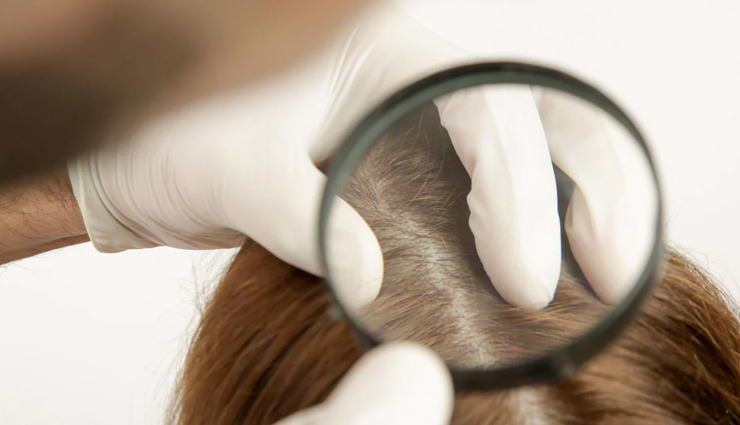
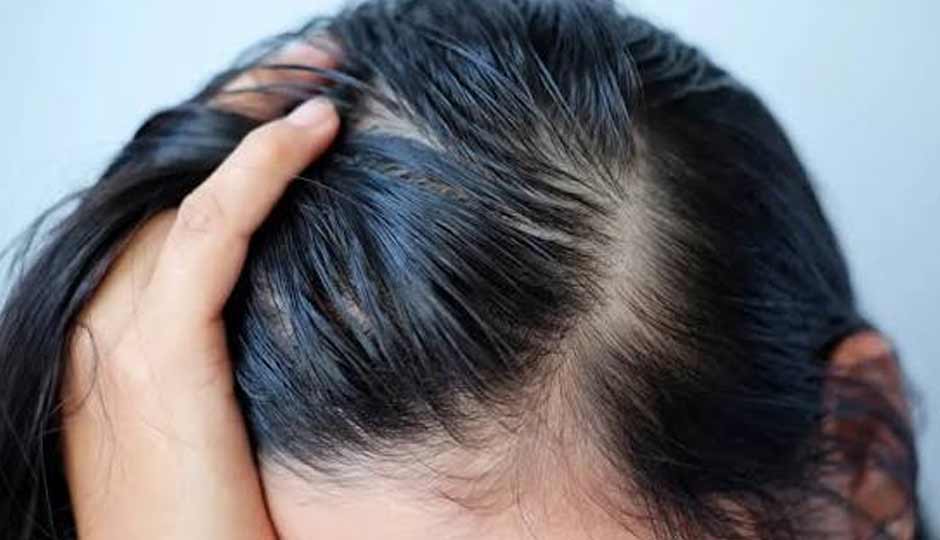
Scalp acne is a fairly common skin concern in which small pimples, whiteheads, blackheads, or tender bumps develop on the scalp. These breakouts are often noticed around the hairline, crown, or back of the head, where oil, sweat, and product buildup can accumulate more easily. The condition generally occurs when hair follicles become blocked by excess sebum, dead skin cells, dirt, or bacteria, creating an environment that can encourage inflammation and acne-like bumps.
Several factors may contribute to scalp breakouts. Hormonal changes or imbalances can increase oil production, while excessive sweating and inadequate scalp cleansing may allow sweat, oil, and impurities to build up. Certain heavy, greasy, or pore-clogging hair products can also contribute to blocked follicles, particularly when they are applied close to the scalp or are not washed out properly.
Unlike facial acne, scalp acne can remain hidden beneath the hair, making it less noticeable to others. However, that does not mean it is any less bothersome. The bumps may cause itching, irritation, tenderness, or pain, especially when you brush, comb, or touch the affected area. In more persistent or severe cases, untreated inflammation may increase the risk of infection and could contribute to temporary hair shedding or thinning around the affected follicles.
The good news is that scalp acne can often be managed by paying closer attention to scalp hygiene, hair care habits, and potential triggers. Simple lifestyle adjustments, appropriate hair-washing practices, and carefully selected natural or targeted treatments may help reduce existing breakouts and lower the chances of new ones developing.
If scalp bumps continue to return, become increasingly painful, spread, or are accompanied by noticeable hair loss, it is advisable to consult a dermatologist for proper evaluation. Identifying the underlying cause can help ensure that the condition is treated appropriately rather than simply masking the symptoms.
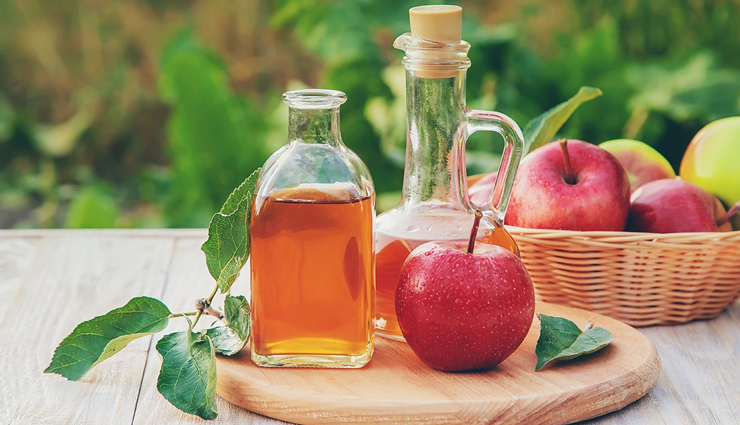
# Apple Cider Vinegar (ACV) Rinse
- Mix equal parts of ACV and water.
- Apply it to your scalp after shampooing.
- Leave it for 5-10 minutes and rinse with lukewarm water.
Why? ACV has antibacterial and antifungal properties that help balance scalp pH and reduce acne.
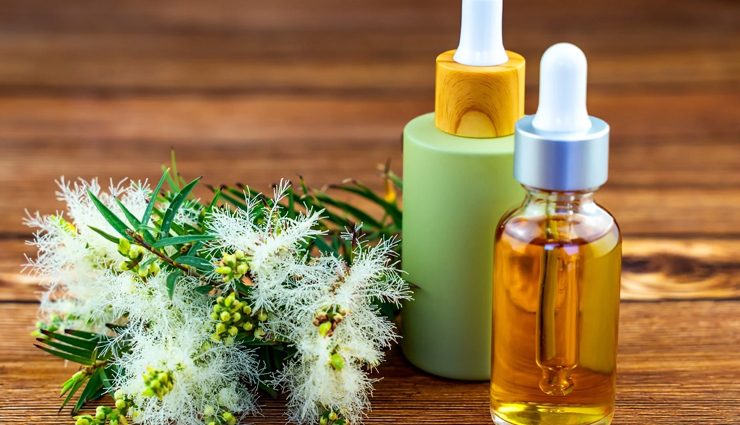
# Tea Tree Oil Treatment
- Mix 2-3 drops of tea tree oil with a carrier oil (coconut or jojoba oil).
- Massage it onto your scalp and leave it for 30 minutes before washing with a mild shampoo.
Why? Tea tree oil has antimicrobial and anti-inflammatory properties that help fight bacteria and soothe the scalp.
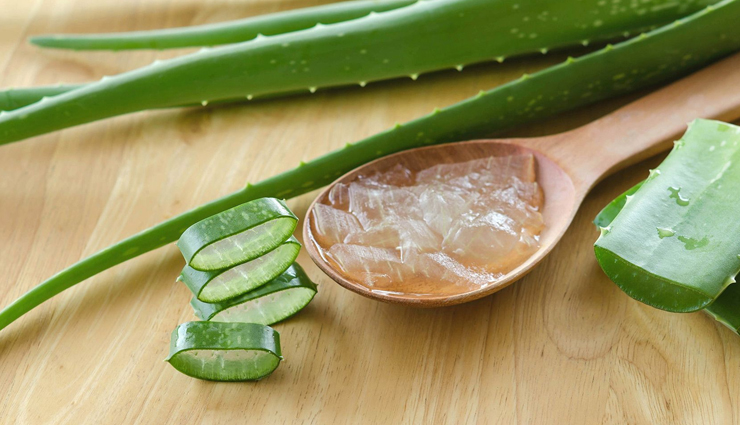
# Aloe Vera Gel
- Apply fresh aloe vera gel directly to the affected area.
- Leave it for 30 minutes and rinse with lukewarm water.
Why? Aloe vera has anti-inflammatory and antibacterial properties that reduce redness and heal scalp acne.
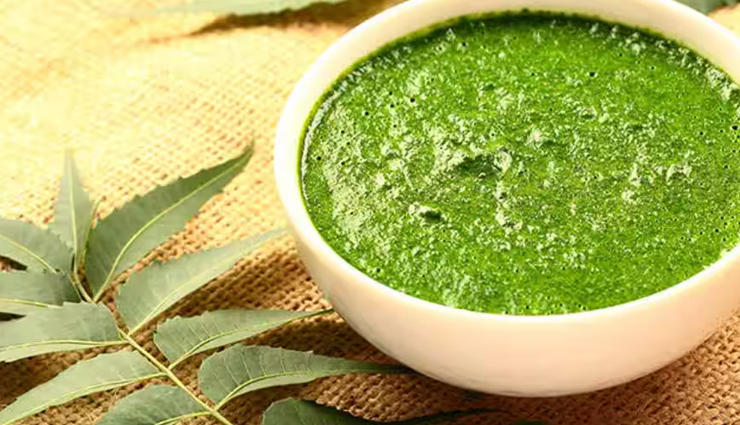
# Neem Paste
- Make a paste using fresh neem leaves or neem powder and water.
- Apply it to your scalp and leave it for 20-30 minutes before washing it off.
Why? Neem is a natural antiseptic and helps combat bacterial and fungal infections that cause scalp acne.
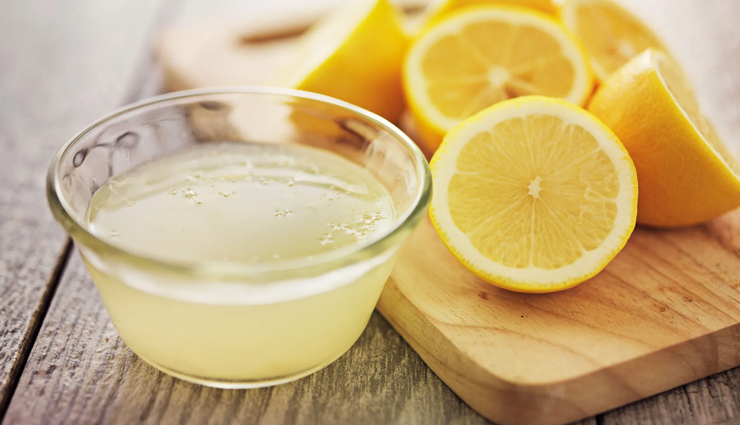
# Lemon Juice Rinse
- Dilute fresh lemon juice with water (1:1 ratio).
- Apply it to your scalp, leave it for 5 minutes, and rinse.
Why? Lemon juice has antibacterial properties and helps control excess oil production.
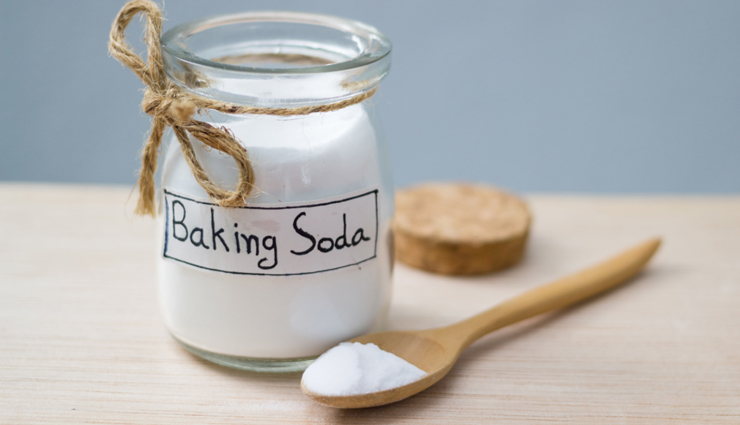
# Baking Soda Scrub
- Mix 1 tablespoon of baking soda with water to make a paste.
- Gently massage it onto your scalp and rinse after 5 minutes.
Why? Baking soda helps exfoliate dead skin cells and unclog pores.