- Home›
- Healthy Living›
- 10 Home Remedies And Lifestyle Measures For Varicose Veins
10 Home Remedies And Lifestyle Measures For Varicose Veins
By: Priyanka Maheshwari Thu, 10 Sep 2026 9:48:40
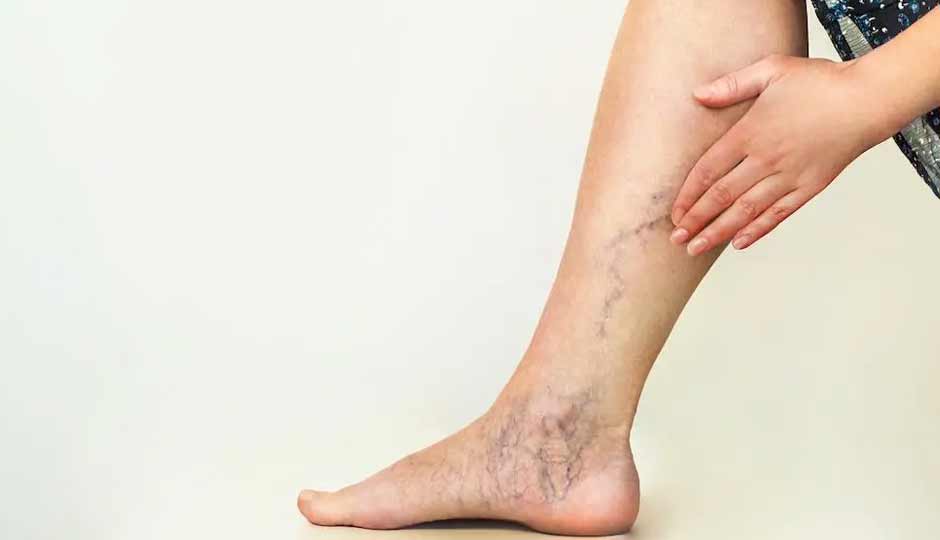
Varicose veins are a common vein-related condition in which the veins, particularly those in the legs and feet, become enlarged, swollen and twisted. They often appear as blue, purple or dark-coloured veins visible just beneath the surface of the skin. While varicose veins are usually not dangerous, they can cause discomfort such as aching, heaviness, itching, swelling and a feeling of tiredness in the legs, especially after standing or sitting for long periods.
Varicose veins develop when the small valves inside the veins become weak or damaged. Normally, these valves help blood flow in one direction towards the heart. When they do not function properly, blood can flow backwards and collect inside the veins, increasing pressure and causing the veins to become enlarged and prominent. Factors such as age, genetics, pregnancy, prolonged standing or sitting, obesity and lack of physical activity may increase the risk of developing varicose veins.
Although medical treatment may be required for severe or persistent cases, certain lifestyle changes and home remedies can help manage symptoms and support better blood circulation. Regular walking, leg elevation, gentle exercises, maintaining a healthy weight and avoiding prolonged periods of sitting or standing are some simple measures that may help reduce discomfort. However, home remedies cannot permanently eliminate varicose veins, and persistent pain, swelling, skin changes or bleeding should be evaluated by a healthcare professional.
1. Elevate Your Legs
One of the simplest ways to reduce swelling and discomfort is to keep your legs elevated.
How to do it:
Lie down and place your legs on 2–3 pillows.
Keep your legs above the level of your heart when possible.
Stay in this position for around 15–20 minutes, 3–4 times a day.
You can especially do this after prolonged standing or at the end of the day.
Elevation helps gravity assist the return of blood from the legs toward the heart.
2. Walk Every Day
Regular walking is one of the most useful lifestyle measures for people with varicose veins.
Walking activates the calf muscles, which act like a natural pump and help push blood upward through the veins.
Try:
A 20–30 minute walk most days.
Short 5–10 minute walks if you cannot walk continuously.
Moving around regularly if you have a desk job.
Avoid remaining seated or standing in one position for several hours.
3. Try Gentle Leg Exercises
Simple exercises can improve circulation in the legs.
Ankle pumps:
Sit or lie down comfortably.
Point your toes away from your body.
Pull your toes back toward you.
Repeat 15–20 times.
Calf raises:
Stand while holding a chair for support.
Slowly raise your heels.
Hold briefly.
Lower your heels slowly.
Repeat 10–15 times.
If an exercise causes pain, stop and choose a gentler activity.
4. Wear Compression Stockings
Compression stockings provide graduated pressure around the legs and can help improve venous blood flow and reduce swelling, aching and heaviness.
For best results:
Put them on in the morning before significant swelling develops.
Make sure they fit properly.
Choose the appropriate compression level with advice from a healthcare professional, particularly if you have circulation problems.
Compression stockings manage symptoms; they do not eliminate the underlying varicose veins.
5. Avoid Sitting or Standing for Long Periods
Long periods in one position can allow blood to pool in the legs.
If you work at a desk:
Get up every 30–60 minutes.
Walk around for a few minutes.
Flex and rotate your ankles while sitting.
If your work involves standing:
Shift your weight regularly.
Walk around when possible.
Perform occasional calf raises or ankle movements.
6. Maintain a Healthy Weight
Excess body weight can put additional pressure on the veins of the legs and may worsen symptoms.
If weight loss is appropriate for you, focus on sustainable habits such as:
More vegetables and fruits
Whole grains
Adequate protein
Less highly processed food
Regular physical activity
Adequate water intake
Even modest weight management can make movement easier and reduce pressure on the legs.
7. Eat a Fibre-Rich Diet
Constipation can increase pressure inside the abdomen and may make venous symptoms worse.
Include plenty of:
Oats
Whole grains
Beans and lentils
Fruits
Vegetables
Nuts and seeds
Drink enough water throughout the day as well.
8. Stay Hydrated
Adequate hydration supports normal circulation and helps prevent constipation.
Instead of drinking a large amount at once, drink water regularly throughout the day. Your individual fluid needs can vary depending on your activity, climate and medical conditions.
9. Choose Comfortable Clothing and Footwear
Very tight clothing around the waist, groin or legs may be uncomfortable if you already have venous problems.
For everyday activities:
Choose comfortable, non-restrictive clothing.
Avoid shoes that make walking difficult.
Comfortable low-heeled footwear may make it easier for the calf muscles to work effectively.
10. Try Gentle Massage Carefully
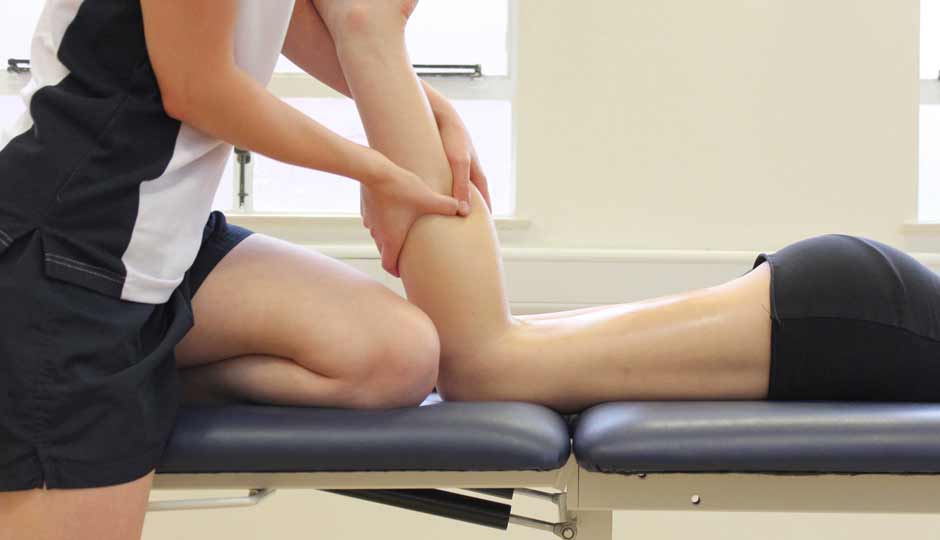
A very gentle massage may feel soothing when your legs are tired or achy.
However, massage is not a treatment that removes varicose veins.
Avoid massaging a leg that is:
Suddenly swollen
Red or hot
Very painful
Tender in one particular area
These symptoms can sometimes indicate a blood clot or another condition requiring medical evaluation.