- Home›
- Healthy Living›
- 10 Home Remedies To Treat Cavity In Kids
10 Home Remedies To Treat Cavity In Kids
By: Priyanka Maheshwari Mon, 21 Sep 2026 1:34:37
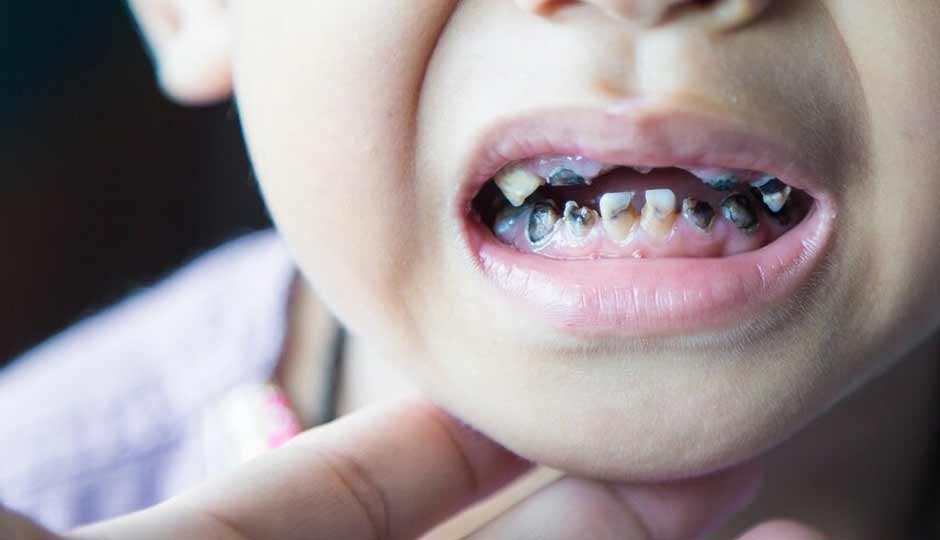
Cavities in kids are one of the most common oral health problems and can affect both baby teeth and permanent teeth. Also known as tooth decay or dental caries, cavities develop when bacteria in the mouth feed on sugars from food and drinks, producing acids that gradually weaken and damage the tooth enamel. If left untreated, a small area of decay can progress into a larger cavity, causing tooth sensitivity, pain, difficulty eating and, in severe cases, infection.
Children are particularly prone to cavities because they may have difficulty brushing thoroughly and may frequently consume sweets, chocolates, biscuits, sugary drinks or other foods that can contribute to tooth decay. Developing good oral hygiene habits from an early age, limiting frequent sugary snacks and drinks, and ensuring regular dental check-ups can help protect children's teeth.
While proper home care can help prevent cavities and may slow very early tooth decay, a developed cavity cannot usually be repaired completely with home remedies. Therefore, parents should pay attention to early signs of tooth decay and seek professional dental advice when necessary. Along with dental treatment, simple daily habits such as brushing twice a day with fluoride toothpaste, cleaning between teeth and choosing tooth-friendly snacks can play an important role in maintaining healthy teeth and gums.
1. Brush twice a day with fluoride toothpaste
This is the most important home step. Fluoride helps strengthen enamel and can help stop or slow very early tooth decay. Brush for about two minutes, particularly before bedtime.
Under 3 years: use a smear of fluoride toothpaste, approximately the size of a grain of rice.
3–6 years: use a pea-sized amount.
7+ years: use an age-appropriate fluoride toothpaste and encourage thorough brushing.
Parents should supervise young children and make sure they spit rather than swallow the toothpaste.
2. Don't rinse immediately after brushing
After brushing, encourage your child to spit out the excess toothpaste but not rinse with lots of water immediately. This allows fluoride to remain on the teeth for longer.
3. Reduce sugary foods and drinks
Frequent exposure to sugar gives cavity-causing bacteria more opportunities to produce acids that damage enamel. Try to reduce:
Chocolates and candies
Toffees and sticky sweets
Biscuits and cakes
Sugary breakfast cereals
Packaged juices
Soft drinks
Sweetened milk drinks
Frequent sweet snacks between meals
Instead, offer foods such as vegetables, whole fruits, plain yoghurt, cheese and other nutritious snacks. How frequently a child consumes sugary foods matters as well as the total amount.
4. Give water after meals and snacks
Encourage your child to drink plain water after eating. It can help clear food particles and dilute acids in the mouth.
If your local drinking water contains fluoride, it can also contribute to cavity prevention.
5. Clean between teeth
If two of your child's teeth touch each other, food and plaque can become trapped between them. Begin flossing or using an appropriate interdental cleaner between touching teeth, with parental assistance.
6. Try to avoid bedtime milk or juice after brushing
If a child drinks a sugary beverage after brushing and then goes to sleep, the teeth can remain exposed to sugars for a prolonged period. Make brushing the final oral-care step before bed whenever possible.
For babies and toddlers, avoid putting them to sleep with a bottle containing milk, formula, juice or another sugary drink.
7. Ask the dentist about fluoride varnish
For children who are prone to cavities, a dentist may recommend professional fluoride varnish. It strengthens enamel and can help prevent or slow tooth decay. It is particularly useful for children at higher risk of cavities.
8. Ask about dental sealants
For appropriate children, especially once permanent back teeth erupt, fissure sealants can protect the deep grooves where food and bacteria often become trapped. CDC notes that sealants on back teeth can prevent many cavities.
9. Keep the child's toothbrush clean
Use a small, soft-bristled toothbrush. Replace it approximately every three months or sooner if the bristles become damaged.
10. Don't depend on traditional remedies to remove a cavity
Ingredients such as clove oil, salt, baking soda, turmeric, honey or coconut oil may be discussed as traditional oral-care remedies, but they should not be used as a substitute for dental treatment. They cannot reliably rebuild a tooth once a cavity has created a hole.
In particular, don't put concentrated clove oil or other essential oils directly on a child's gums or tooth without professional advice.