- Home›
- Healthy Living›
- 10 Major Side Effects Of Biotin You Should Know
10 Major Side Effects Of Biotin You Should Know
By: Priyanka Maheshwari Wed, 23 Apr 2025 10:38:39

Biotin, also referred to as Vitamin H or B7, is a water-soluble nutrient that belongs to the B-complex vitamin family. The term "biotin" is derived from the Greek word biotos, meaning "life" or "sustenance." This essential vitamin plays a key role in converting food into energy by aiding in the metabolism of fats, proteins, and carbohydrates.
Since water-soluble vitamins aren't stored in the body, it's important to consume them daily. Vitamin B7 is not synthesized by human cells but is produced by intestinal bacteria, making it necessary to maintain a balanced diet to ensure adequate intake.
Biotin supports the health of your hair, skin, eyes, liver, and nervous system. It is especially important during pregnancy, as it contributes to fetal development. Biotin supplementation is sometimes used to manage certain health conditions. Although biotin deficiency is rare, it can result in symptoms such as hair loss, skin issues, brittle nails, and neurological problems like fatigue, depression, hallucinations, and tingling in the limbs.
Most people get enough biotin through a nutritious diet, but some choose to take supplements. However, there's limited scientific evidence to confirm the benefits of biotin supplementation. Therefore, it’s important to understand the role of biotin, the recommended daily intake, and the potential risks of excessive consumption. This article explores these key aspects.

# Risk of Incorrect Diagnosis
Biotin supplements can interfere with blood test results, potentially causing false positives or negatives. The FDA has even reported serious incidents, including a death, linked to such interference. Since biotin is commonly used in lab tests—especially those for hormones and cardiac markers—elevated levels can skew results, such as in thyroid function tests.
# Can Trigger Acne
Excessive biotin intake may lead to cystic acne due to increased sebum production, which clogs pores and attracts dirt. This type of acne often subsides once biotin levels normalize.
# Possible Allergic Reactions
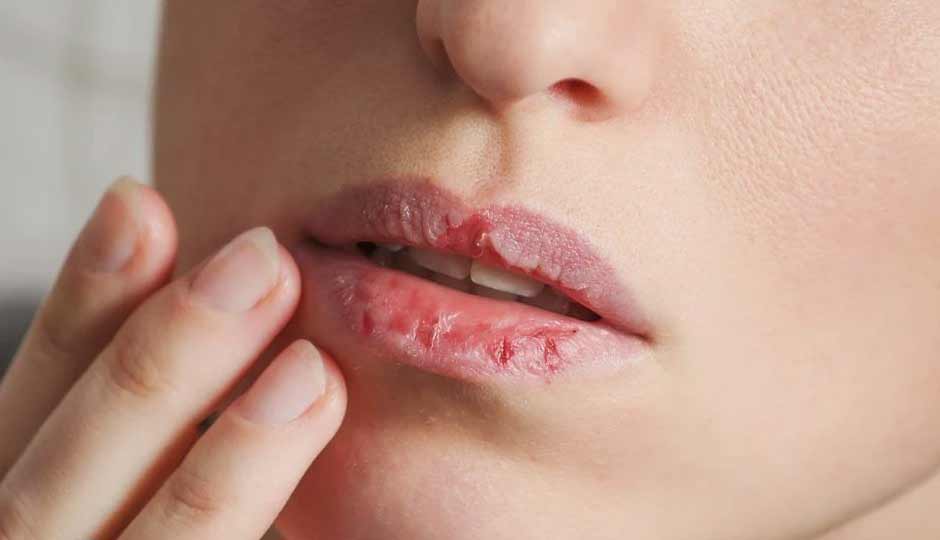
Overuse of biotin supplements can occasionally cause allergic symptoms like skin rashes, nausea, facial swelling, or itching.
# Increased Risk of Miscarriage
High doses of biotin during pregnancy may pose a risk of miscarriage. It is essential to consult a healthcare provider before taking biotin while expecting.
# Frequent Urination and Sweating
Large amounts of biotin may lead to more frequent urination and can increase sweating.
# Digestive Discomfort
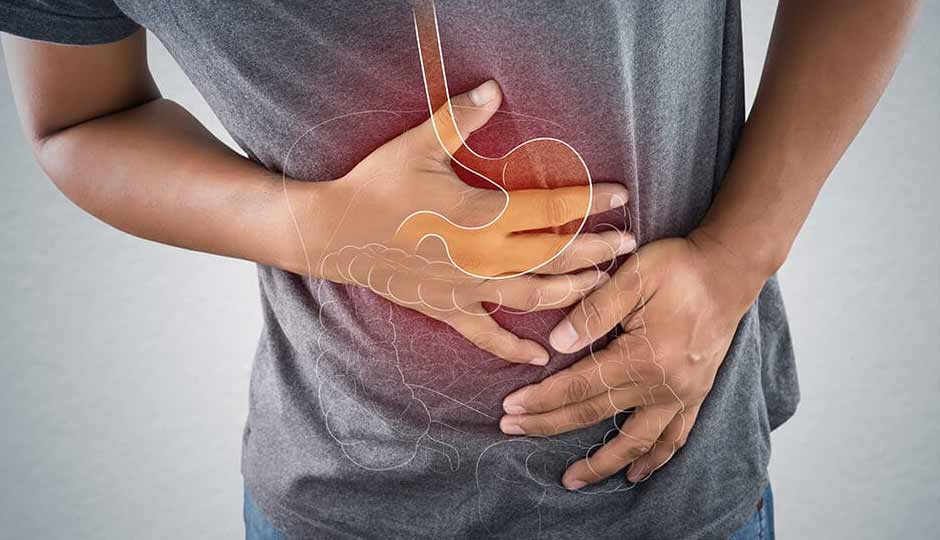
Some people report side effects like stomach cramps and diarrhea when taking high doses of biotin. If such symptoms occur, discontinuing the supplement and seeking medical advice is recommended.
# Unsuitable for Diabetics
Certain studies suggest that high levels of biotin may raise blood sugar by increasing glucose and fatty acid production, making it potentially harmful for individuals with diabetes.
# Drug Interactions
Biotin can interfere with specific medications, especially those used to manage cholesterol and seizures. Always consult your doctor if you’re on any long-term medication.
# Conflicts with Vitamin B5
A case study indicated that taking biotin alongside Vitamin B5 (pantothenic acid) led to a severe lung infection in one instance, highlighting a potential adverse interaction.
# Respiratory Issues in High Doses
In rare cases, high doses of biotin have been linked to acute respiratory problems, including anaphylaxis.