
- Home›
- Healthy Living›
- 12 Amazing Health Benefits Of Drinking Warm Water
12 Amazing Health Benefits Of Drinking Warm Water
By: Priyanka Maheshwari Sun, 25 Oct 2026 10:58:18
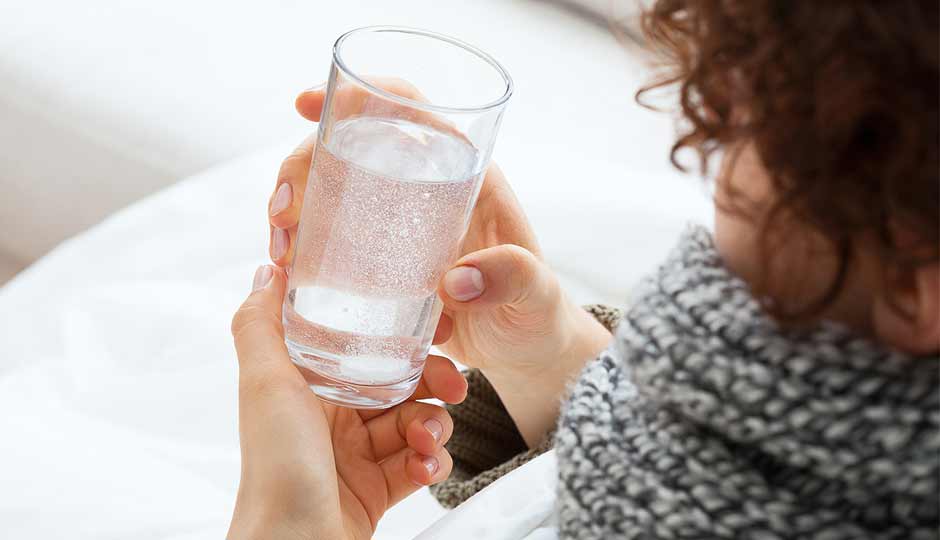
Drinking warm water is a simple daily habit that may support overall health and well-being. From helping you stay hydrated to soothing a sore throat and easing occasional constipation, warm water can be a comforting addition to your morning routine. Many people prefer drinking a glass of warm water after waking up, during colder months, or after meals because it feels soothing and refreshing.
Water plays an essential role in maintaining body temperature, supporting digestion, transporting nutrients and removing waste products. Drinking it warm may make it more pleasant for some people to consume enough fluids throughout the day. However, it is important to understand that most of the health benefits associated with warm water come from proper hydration rather than its temperature alone.
Although warm water is not a miracle remedy for weight loss, detoxification or disease prevention, it can be part of a healthy lifestyle. Here are some potential health benefits of drinking warm water regularly and the precautions you should keep in mind.
1. Helps Improve Digestion
Drinking warm water may help support digestion by maintaining adequate hydration. Water is necessary for breaking down food, dissolving nutrients and helping the digestive system function properly.
A glass of warm water before or after a meal may also feel soothing, particularly if you experience mild digestive discomfort. Adequate fluid intake supports the movement of food through the digestive tract and helps prevent stools from becoming hard and difficult to pass.
How to consume it: Drink a glass of comfortably warm water in the morning or alongside meals, depending on your preference.
Important note: Warm water has not been conclusively shown to improve digestion more effectively than room-temperature or cool water. A balanced diet, regular physical activity and adequate fibre intake are also important for digestive health.
2. May Help Relieve Constipation
One of the potential benefits of drinking warm water is that it can contribute to relieving occasional constipation, especially when constipation is associated with insufficient fluid intake.
Water helps soften stools, making them easier to pass. Drinking a warm beverage may also encourage bowel movements in some people, although evidence that warm water itself has a special laxative effect is limited.
To support regular bowel movements, combine adequate water intake with fibre-rich foods such as fruits, vegetables, whole grains, beans and lentils.
How to consume it: Try drinking a glass of warm water after waking up and maintain regular fluid intake throughout the day.
If constipation persists, is accompanied by severe abdominal pain or vomiting, or you notice blood in your stool, seek medical advice.
3. Helps Keep the Body Hydrated
One of the most established benefits of drinking warm water
Hydration is essential for almost every function in the body. Water helps regulate body temperature, transport nutrients, maintain blood volume and support the normal functioning of organs.
Drinking warm water can help you meet your daily fluid needs, particularly if you find it more comfortable to drink warm beverages than cold ones.
Proper hydration may also help reduce symptoms associated with mild dehydration, such as thirst, dry mouth and headaches.
How to consume it: Keep warm water available throughout the day, especially during colder weather when you may not feel as thirsty. Your fluid requirements vary according to activity level, climate, diet and health conditions.
4. May Soothe a Sore Throat
Warm water can provide temporary comfort when you have a sore or irritated throat. Its warmth may help soothe throat tissues and make swallowing feel more comfortable.
This can be particularly helpful during a cold, when throat irritation may occur alongside coughing, nasal congestion or dryness.
You can also try warm water with a little honey to soothe a cough. However, honey should never be given to children younger than 12 months.
How to consume it: Sip comfortably warm water slowly throughout the day. Avoid water that is excessively hot, as it can burn the mouth and throat.
Warm water may relieve discomfort, but it does not cure the infection responsible for a sore throat.
5. May Help Relieve Nasal Congestion
Drinking warm water and other warm fluids may provide temporary relief from the discomfort associated with a blocked nose.
Warm beverages can help soothe the throat and may make mucus feel easier to clear. Staying hydrated also helps prevent mucus from becoming excessively thick.
However, drinking warm water does not directly eliminate the virus responsible for a cold or reliably shorten the duration of an infection.
How to consume it: Sip warm water, clear soups or other warm, non-irritating fluids when experiencing congestion.
Avoid inhaling steam from boiling water because it can cause serious burns. Seek medical advice if you experience difficulty breathing, persistent high fever or symptoms that worsen significantly.
6. May Support Healthy Bowel Movements
Regular bowel movements depend on several factors, including hydration, dietary fibre, physical activity and normal intestinal function.
Drinking enough water helps the digestive system process fibre effectively. Fibre absorbs water and helps increase stool bulk, which can make bowel movements more regular.
For some people, drinking warm water in the morning may also become a useful routine that encourages them to visit the toilet at a consistent time.
How to consume it: Drink warm water alongside a fibre-rich breakfast, such as oatmeal, whole-grain porridge or fruit.
Remember that warm water alone cannot correct every cause of irregular bowel movements. Persistent changes in bowel habits should be evaluated by a healthcare professional.
7. May Help Relieve Menstrual Discomfort
Warm water may offer comfort during menstruation, especially when accompanied by mild abdominal cramps or general discomfort.
Staying hydrated supports normal bodily functions, while warm beverages can provide a soothing sensation. Some people also find that a warm drink helps them relax during their menstrual period.
However, there is limited direct scientific evidence that drinking warm water reduces menstrual cramps more effectively than drinking water at other temperatures.
How to consume it: Sip warm water throughout the day and consider using a warm heating pad on the lower abdomen for additional relief.
If menstrual pain is severe, interferes with daily activities or becomes progressively worse, consult a gynaecologist.
8. May Help You Feel More Satisfied Between Meals
Drinking water before a meal may temporarily increase feelings of fullness in some people. This may help certain individuals become more aware of their hunger and fullness cues.
Warm water can be a useful option if you prefer it over cold water, but there is no strong evidence that its temperature independently reduces appetite or burns body fat.
How to consume it: If comfortable, drink a glass of water before meals and eat slowly. Pay attention to your body's hunger signals rather than using water to suppress hunger.
Warm water should not replace balanced meals or be used as a weight-loss treatment.
9. May Support Weight Management
Drinking warm water is sometimes promoted as a natural weight-loss remedy. However, there is no convincing evidence that warm water alone causes meaningful weight loss or significantly increases fat burning.
Water can still support weight-management goals in several ways:
- It provides hydration without adding calories.
- Replacing sugary drinks with water can reduce overall calorie intake.
- Drinking water before meals may help some people feel fuller.
- Adequate hydration supports normal physical activity and metabolism.
How to consume it: Replace sugary beverages with plain water, whether warm or cold, and combine this habit with balanced meals, regular exercise and sufficient sleep.
Remember that lasting weight management depends on your overall eating patterns, activity levels and health, rather than the temperature of the water you drink.
10. May Help Reduce Mild Headaches Related to Dehydration
Dehydration can contribute to headaches in some people. Drinking enough water may help improve a headache when inadequate fluid intake is the underlying cause.
Warm water is one way to replenish fluids, particularly if you find it soothing or easier to drink than cold water.
However, headaches can have many causes, including migraine, stress, poor sleep and other medical conditions. Warm water is not a universal treatment for headaches.
How to consume it: Drink water regularly, especially after sweating, during hot weather or when you have not consumed enough fluids.
Seek urgent medical attention for a sudden, extremely severe headache or a headache accompanied by weakness, confusion, fainting or other concerning symptoms.
11. May Help You Relax and Establish a Healthy Morning Routine
Starting the day with a glass of warm water can be a simple way to build a consistent hydration habit.
The act of slowly drinking a warm beverage may feel comforting, particularly in the morning or during colder weather. Pairing this habit with a few minutes of stretching, mindful breathing or a nutritious breakfast can help create a more structured start to your day.
However, there is limited evidence that warm water itself directly reduces stress or improves mental health.
How to consume it: Prepare a glass of comfortably warm water after waking up and enjoy it as part of a routine that suits your lifestyle.
You do not need to drink it on an empty stomach to receive the hydration benefits.
12. Supports Normal Kidney Function and Waste Removal
The kidneys filter the blood, regulate fluid and electrolyte balance, and remove waste products through urine. Drinking enough water helps the kidneys perform these functions under normal conditions.
Adequate hydration may also help lower the risk of certain types of kidney stones, depending on individual risk factors and fluid intake.
However, warm water does not detoxify the body more effectively than water at other temperatures. The liver and kidneys already carry out the body's natural waste-processing functions.
How to consume it: Drink sufficient water throughout the day, adjusting your intake to your activity level, climate and medical needs.
People with advanced kidney disease, heart failure or conditions requiring fluid restriction should follow their healthcare professional's advice rather than deliberately increasing water intake.