- Home›
- Healthy Living›
- 12 Home Remedies For Calf Muscle Pain
12 Home Remedies For Calf Muscle Pain
By: Priyanka Maheshwari Thu, 10 Sep 2026 9:48:44
Calf muscle pain is a common problem that can affect people of all ages and may range from a mild ache or tightness to sharp, intense discomfort. The calf is made up primarily of the gastrocnemius and soleus muscles, which play an important role in walking, running, climbing stairs and maintaining balance. Because these muscles are used so frequently, they can become sore or strained after exercise, prolonged standing, excessive physical activity or sudden movements.
Common causes of calf pain include muscle cramps, overuse, minor muscle strains, dehydration and inadequate stretching before or after physical activity. Wearing unsuitable footwear or suddenly increasing workout intensity can also contribute to calf discomfort. In many mild cases, simple measures such as rest, gentle stretching, cold or warm compresses, hydration and gradual movement can help relieve symptoms and support recovery.
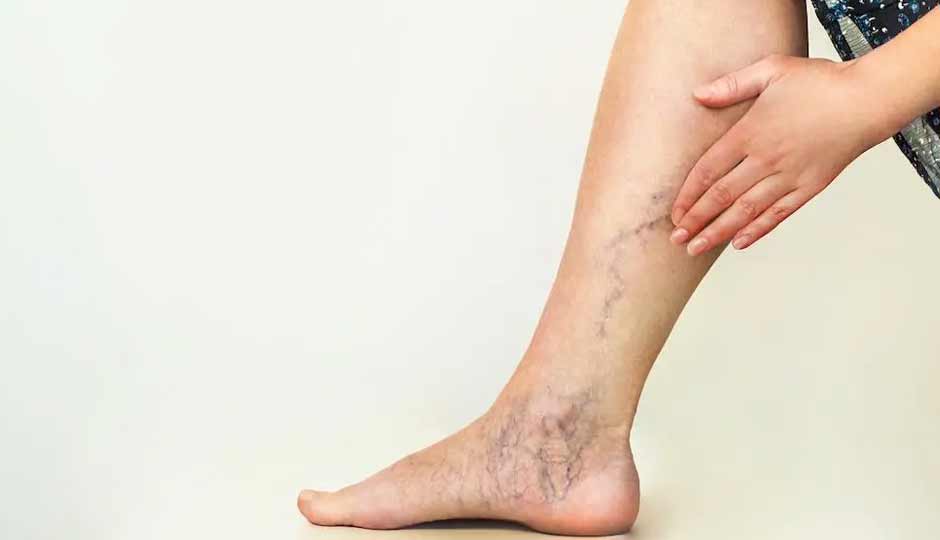
However, calf pain should not always be assumed to be a simple muscle problem. Sudden swelling, redness, warmth, severe tenderness or unexplained pain in one leg can sometimes indicate a more serious condition and requires prompt medical evaluation. Understanding the possible cause of calf pain is therefore important before relying on home remedies.
1. Rest the Calf
If the pain started after walking, running, exercising, climbing stairs, or standing for long periods, give the affected leg some rest.
Avoid running, jumping, heavy workouts and prolonged walking for a few days.
Normal gentle movement is usually better than keeping the leg completely still.
Gradually return to your usual activity as the pain improves.
Tip: If a particular movement causes sharp or increasing pain, stop that activity rather than trying to push through it.
2. Apply an Ice Pack
Ice can be particularly useful during the first 24–48 hours after a muscle strain or minor injury, especially if there is tenderness or swelling.
Wrap an ice pack or frozen water bottle in a thin towel.
Apply it to the painful area for about 15–20 minutes at a time.
Repeat several times throughout the day.
Never put ice directly against the skin.
3. Use a Warm Compress
For muscle tightness or stiffness, gentle heat may feel more soothing, particularly after the initial injury period.
Place a warm towel or heating pad over the calf for 15–20 minutes.
Use comfortable warmth rather than very high heat.
Avoid sleeping with a heating pad on your leg.
If the calf is freshly injured and swollen, start with cold rather than heat.
4. Gentle Calf Stretching
Once severe pain has settled, gentle stretching can help reduce stiffness.
Wall calf stretch:
Stand facing a wall.
Put the painful leg behind you.
Keep the back heel on the floor.
Keep the back knee relatively straight.
Slowly lean toward the wall.
Hold for 15–30 seconds.
Repeat 2–3 times.
The stretch should feel gentle—not painful. Don't aggressively stretch an acutely injured muscle.
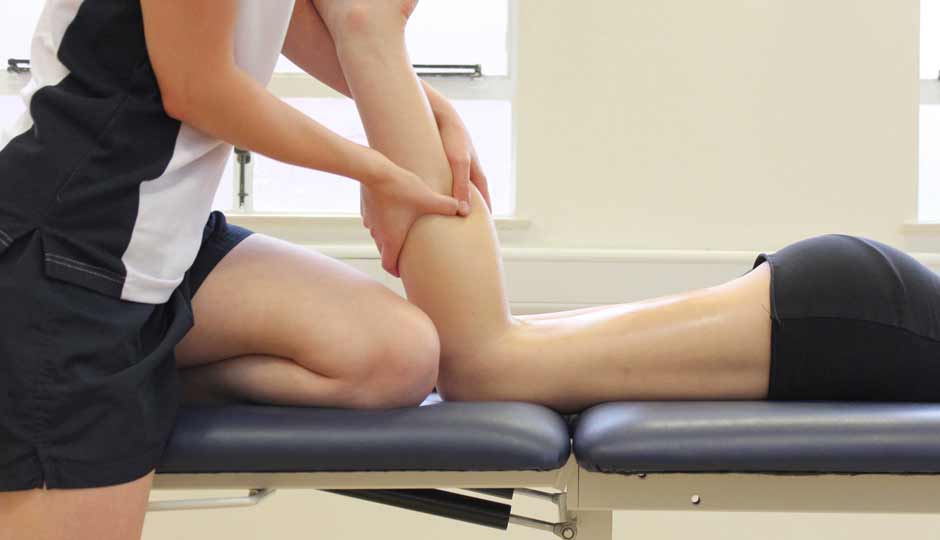
5. Gentle Massage
A light massage can sometimes help with muscle tightness.
Use your fingertips or palm.
Gently massage upward along the calf.
Continue for about 5–10 minutes.
Stop if massage increases pain, swelling or tenderness.
Important: Do not massage a calf that is suddenly swollen, red, hot or significantly painful without first getting medical advice, because those symptoms can occur with a blood clot.
6. Elevate Your Leg
If the calf is mildly swollen, elevation can help.
Lie down comfortably.
Place one or two pillows under your lower leg.
Keep the calf elevated above the level of your heart when possible.
Try this for 15–30 minutes several times a day.
7. Stay Hydrated
Dehydration can contribute to muscle cramps, particularly after exercise, sweating or spending time in hot weather.
Drink water regularly throughout the day. If you've been sweating heavily, replacing electrolytes through food or an appropriate electrolyte drink may also help.
8. Eat Foods That Support Muscle Function
A balanced diet provides nutrients needed for normal muscle function.
Include foods such as:
Bananas – potassium
Oranges and other fruits – fluids and electrolytes
Curd/yogurt – calcium and protein
Milk – calcium and protein
Nuts and seeds – magnesium and healthy fats
Leafy green vegetables – magnesium and other micronutrients
Dal, beans and legumes – protein and minerals
Eggs – protein and several micronutrients
Don't assume that calf pain is caused by a magnesium or potassium deficiency, though. Supplements aren't routinely necessary unless a deficiency or another medical reason has been identified.
9. Try Gentle Movement
If the pain isn't severe, completely avoiding movement can sometimes make the calf feel stiffer.
Try:
Gentle ankle circles
Slowly pointing and flexing your foot
Short, easy walks
Gentle calf raises only after the pain has substantially improved
Avoid exercises that reproduce sharp pain.
10. Improve Your Footwear
Poorly supportive footwear can contribute to calf strain, particularly if you spend many hours standing or walking.
Choose shoes that:
Fit properly
Provide comfortable support
Don't excessively compress the foot
Are appropriate for your activity
If your pain repeatedly returns after walking or exercise, footwear, training intensity and walking mechanics may all be worth evaluating.
11. Gradually Resume Exercise
Don't immediately return to your previous workout intensity once the pain decreases.
A safer progression is:
Rest → gentle movement → stretching → light activity → normal exercise
Increase duration and intensity gradually. Warm up before exercise and cool down afterward.
12. Avoid Alcohol and Excessive Heat Immediately After an Injury
Following an acute muscle injury, excessive heat and alcohol may worsen swelling in some people. During the first day or two, focus on relative rest, cold therapy and elevation if appropriate.