- Home›
- Healthy Living›
- 12 Home Remedies To Help Relieve Ear Pain In Kids
12 Home Remedies To Help Relieve Ear Pain In Kids
By: Priyanka Maheshwari Fri, 02 Oct 2026 8:10:39
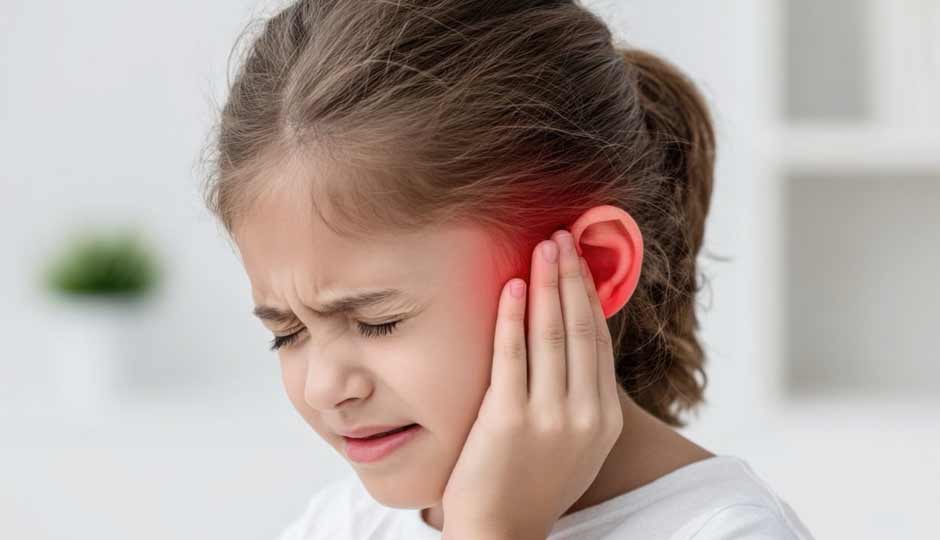
Ear pain is a common complaint among children and can occur for several reasons, including ear infections, colds, congestion, trapped water, earwax buildup, or irritation of the ear canal. Because young children may not be able to clearly explain what they are feeling, ear pain may show up as crying, irritability, difficulty sleeping, pulling or rubbing the ear, or reduced appetite.
While some mild ear discomfort may improve with simple supportive care, home remedies cannot treat every cause of ear pain. In particular, bacterial or significant middle-ear infections may require medical evaluation and, in some cases, prescription treatment. Parents should avoid putting oils, herbal preparations, drops, or other substances inside a child's ear unless recommended by a healthcare professional.
Here are some safe, supportive home measures that may help ease mild ear discomfort while you monitor your child.
1. Apply a Warm Compress
A warm compress can provide temporary relief from ear discomfort.
How to use it:
Soak a clean washcloth in comfortably warm water.
Wring it out thoroughly so it is damp rather than dripping.
Place it gently over the affected ear for about 10–15 minutes.
Check the temperature carefully before placing it on a child's skin.
Never use very hot water or a heating pad directly against a young child's ear because of the risk of burns.
2. Keep the Child Well Hydrated
Encourage your child to drink water and other age-appropriate fluids. Staying hydrated is particularly useful when ear pain occurs alongside a cold or congestion.
For babies, continue normal breast milk or formula feeds unless a healthcare professional has advised otherwise.
3. Encourage Rest
Pain and illness can make children tired and irritable. Allow your child plenty of opportunities to rest and sleep.
Keeping the child's head slightly elevated while awake and supervised may sometimes make congestion feel more comfortable. However, babies should always be placed on their backs on a firm, flat sleep surface rather than being propped up with pillows.
4. Use a Saline Nasal Spray for Congestion
If ear discomfort accompanies a cold or blocked nose, congestion may contribute to pressure around the middle ear.
A plain saline nasal spray or drops appropriate for the child's age can help loosen nasal mucus.
For babies, parents can use age-appropriate saline drops followed by gentle suction if recommended by their pediatrician.
Avoid medicated nasal decongestant sprays unless specifically advised by a healthcare professional.
5. Offer Age-Appropriate Pain Relief When Appropriate
For children who are uncomfortable, paracetamol (acetaminophen) or ibuprofen may help relieve pain when used appropriately for the child's age and weight.
Follow the dosage instructions on the product or those provided by your pediatrician.
Use the measuring syringe or cup supplied with the medicine.
Do not give aspirin to children unless specifically instructed by a healthcare professional.
Ibuprofen is generally not recommended for babies under 6 months unless a doctor advises it.
If you're unsure about the correct dose, ask a pediatrician or pharmacist rather than estimating it.
6. Keep Water Out of the Ear
If the ear is painful or an ear infection is suspected, try to prevent water from entering the ear.
During bathing:
Avoid directing water into the ear.
Do not allow the child to swim until a healthcare professional says it is safe, particularly if there is ear drainage or a known eardrum perforation.
7. Allow the Child to Stay in a Comfortable Position
Some children find certain positions more comfortable when they have ear pain. Allow your child to sit upright, cuddle, or rest in whichever safe, comfortable position provides relief.
For babies, continue to follow safe-sleep practices when putting them down to sleep.
8. Treat Associated Cold Symptoms With Simple Measures
Ear pain frequently occurs alongside respiratory infections. Gentle supportive care can make the child more comfortable.
You can:
Encourage fluids.
Use saline nasal drops for a blocked nose.
Keep the room comfortably ventilated.
Encourage adequate rest.
Use a humidifier if the air is very dry, ensuring that it is cleaned regularly.
Avoid exposing the child to cigarette smoke, which can irritate the respiratory tract and may increase the risk of ear problems.
9. Avoid Putting Oil Into the Ear
Traditional remedies sometimes recommend putting olive oil, mustard oil, coconut oil, garlic oil or other oils into a child's ear.
It is safer not to put these substances into a child's ear without medical advice. They may irritate the ear canal and can be particularly inappropriate if the eardrum is perforated or there is an ear tube.
10. Do Not Insert Cotton Buds or Other Objects
Never put cotton buds, matchsticks, hairpins, fingers or other objects inside a child's ear to remove wax or relieve itching.
These can:
Push earwax deeper.
Scratch the ear canal.
Cause bleeding.
Injure or perforate the eardrum.
If excessive earwax is causing symptoms, have the child's ear examined by a healthcare professional.
11. Don't Use Leftover Ear Drops
Avoid using leftover prescription ear drops or another family member's ear medication.
Different types of ear problems require different treatments, and some drops may not be suitable if the eardrum is damaged or has a tube.
Only use ear drops in a child when they are appropriate for the child's condition and recommended by a healthcare professional.
12. Avoid Steam Burns
Steam inhalation is sometimes suggested as a home remedy for children with congestion and ear discomfort. However, bowls of hot water and steam can cause serious burns, especially in young children.
If humidity helps your child's congestion, a properly maintained cool-mist humidifier is a safer option.