- Home›
- Healthy Living›
- 14 Effective Home Remedies To Treat Acidity
14 Effective Home Remedies To Treat Acidity
By: Priyanka Maheshwari Mon, 14 Sep 2026 10:37:37
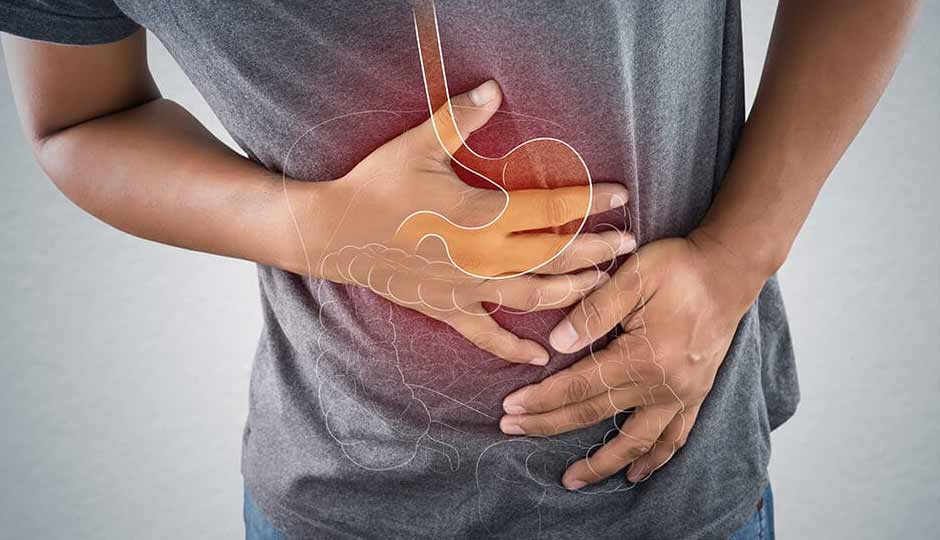
Acidity is a common digestive problem that occurs when stomach acid flows back into the oesophagus, causing an uncomfortable burning sensation in the chest or upper abdomen. It may also be accompanied by symptoms such as a sour or bitter taste in the mouth, frequent burping, bloating, nausea and a feeling of heaviness after meals.
Acidity can be triggered by overeating, spicy or oily foods, excessive tea or coffee, irregular eating habits, stress, smoking, alcohol or lying down soon after eating. Occasional acidity is usually manageable with simple dietary and lifestyle changes. However, frequent or persistent symptoms may indicate acid reflux or another digestive condition and should not be ignored.
Making small changes such as eating lighter meals, avoiding personal trigger foods, staying upright after eating and maintaining a regular meal schedule can help reduce discomfort. Here are some simple home remedies for acidity that may provide relief and support better digestion.
1. Sip Lukewarm Water
Drinking small amounts of lukewarm water may help soothe the digestive tract and dilute stomach acid.
How to use it:
Sip a glass of lukewarm water slowly when you experience mild acidity.
Avoid drinking a large quantity very quickly, as this can increase stomach fullness and discomfort.
2. Eat Smaller, More Frequent Meals
Large meals can put pressure on the stomach and make acid reflux more likely.
Try this instead:
Have 4–5 smaller meals rather than 2–3 very heavy meals.
Eat slowly and chew food thoroughly.
Avoid overeating, particularly at dinner.
3. Include Banana in Your Diet
Bananas are relatively low-acid and may be a gentle food option when your stomach feels irritated.
How to have it:
Eat one ripe banana as a snack or include it with breakfast. If banana appears to worsen your symptoms, discontinue it, as food triggers can vary from person to person.
4. Try Plain Oatmeal
Oatmeal is a fibre-rich food that can be filling without being particularly spicy or acidic.
How to use it:
Have plain oatmeal for breakfast and avoid adding large amounts of chocolate, citrus fruits or very fatty toppings if these trigger your acidity.
5. Have Ginger in Moderation
Ginger is traditionally used for digestive discomfort and nausea and may be useful for some people.
Ginger drink:
Add a few thin slices of fresh ginger to hot water.
Let it steep for 5–10 minutes.
Drink it warm.
Avoid very concentrated ginger preparations if they make your heartburn worse.
6. Avoid Lying Down Immediately After Eating
This is one of the simplest ways to reduce reflux.
Try to remain upright for at least 2–3 hours after a meal, particularly after dinner. A short, gentle walk after eating may also be preferable to immediately lying down.
7. Elevate Your Upper Body at Night
If acidity is worse at night, gravity can help reduce the movement of stomach contents into the oesophagus.
Instead of simply adding several pillows under your head, consider raising the head end of the bed by about 6–8 inches. This can be particularly helpful for people who regularly experience nighttime reflux.
8. Identify Your Trigger Foods
Certain foods commonly aggravate acidity or reflux, although triggers differ between individuals.
Common triggers include:
Very spicy foods
Fried and greasy foods
Large amounts of coffee or tea
Chocolate
Peppermint
Alcohol
Carbonated drinks
Tomatoes and tomato-based foods
Citrus fruits
Very fatty meals
Rather than eliminating everything at once, keep a food-and-symptom diary for a couple of weeks to identify your personal triggers.
9. Limit Tea and Coffee if They Trigger Symptoms
Caffeine can worsen reflux symptoms in some people.
If you notice acidity after tea or coffee, gradually reduce your intake and see whether your symptoms improve. Avoiding these drinks on an empty stomach may also help some people.
10. Maintain a Healthy Weight
If you are overweight, gradual weight loss can reduce pressure on the abdomen and may improve frequent acid reflux.
Focus on sustainable changes such as:
Smaller portions
Regular physical activity
More vegetables and whole grains
Less fried and highly processed food
Avoiding frequent late-night eating
11. Avoid Tight Clothing Around the Abdomen
Tight belts, shapewear or clothing that puts pressure around the stomach may aggravate reflux in some people.
Choose comfortable clothing, especially after meals.
12. Stop Smoking
Smoking can weaken the lower oesophageal sphincter and contribute to acid reflux. Quitting can therefore be an important part of managing recurring acidity.
13. Don't Depend on Baking Soda as a Home Remedy
Although baking soda can temporarily neutralise acid, regularly drinking baking-soda water is not a good home treatment. It contains a substantial amount of sodium and can cause problems when used excessively, particularly in people with certain medical conditions.
14. Be Careful With "Cooling" Remedies
Milk, buttermilk, coconut water, mint drinks and similar traditional remedies are sometimes recommended for acidity. However, they do not work for everyone. For example, high-fat dairy products may actually worsen reflux in some people.
The best approach is to notice how your body responds rather than assuming that every traditional remedy will reduce acid reflux.