
- Home›
- Healthy Living›
- 14 Home Remedies To Treat PCOD Naturally
14 Home Remedies To Treat PCOD Naturally
By: Priyanka Maheshwari Sat, 11 Jul 2026 11:31:19
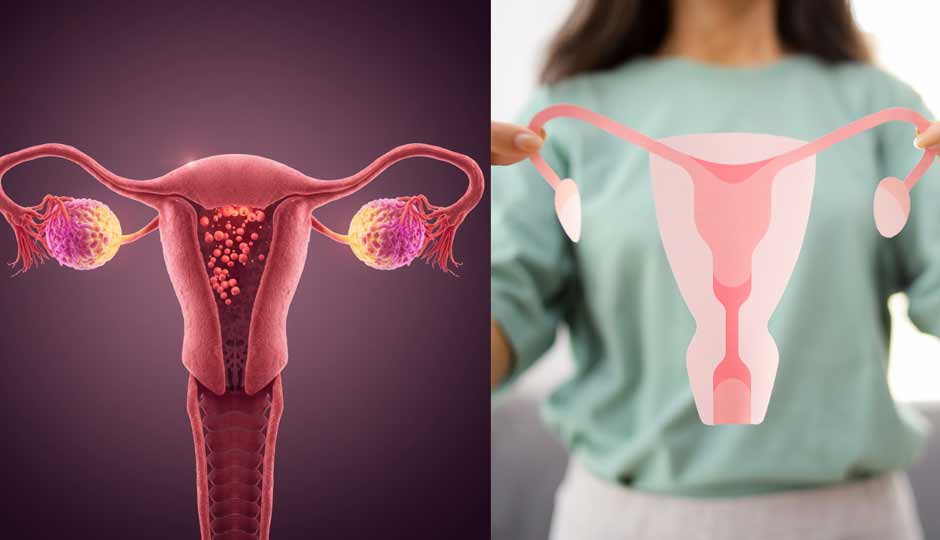
Polycystic Ovarian Disease (PCOD) is a common hormonal disorder that affects many women of reproductive age. It can lead to irregular periods, weight gain, acne, excessive hair growth, and difficulty conceiving. While there is no permanent cure for PCOD, adopting healthy lifestyle habits and natural home remedies can help manage symptoms effectively. These remedies work best when combined with medical advice, regular exercise, and a balanced diet.
# Maintain a Healthy Weight
Even a small reduction of 5–10% of body weight can significantly improve hormonal balance and menstrual regularity in women with PCOD. Focus on eating whole foods, controlling portion sizes, and staying physically active.
# Follow a Low-Glycemic Diet
Women with PCOD often have insulin resistance. Eating foods that release sugar slowly into the bloodstream helps regulate insulin levels.
Choose foods like:
Whole grains
Oats
Brown rice
Lentils and beans
Fresh vegetables
Fruits with a low glycemic index such as apples, berries, and pears
Avoid sugary beverages, white bread, pastries, and processed snacks.
# Drink Cinnamon Water
Cinnamon may help improve insulin sensitivity and support healthy blood sugar levels.
How to use:
Add ½ teaspoon of cinnamon powder to a cup of warm water.
Drink it once daily, preferably in the morning.
# Consume Fenugreek Seeds
Fenugreek seeds may help improve insulin resistance and support healthy metabolism.
How to use:
Soak 1 teaspoon of fenugreek seeds overnight.
Eat the soaked seeds and drink the water on an empty stomach.
# Spearmint Tea for Hormonal Balance
Spearmint tea has shown potential in reducing excess androgen (male hormone) levels, which may help with acne and unwanted facial hair.
How to prepare:
Steep 1 teaspoon of dried spearmint leaves in hot water for 5–10 minutes.
Drink one or two cups daily.
# Add Flaxseeds to Your Diet
Flaxseeds are rich in omega-3 fatty acids, fiber, and lignans that support hormone balance.
Ways to consume:
Add 1–2 tablespoons of ground flaxseeds to smoothies.
Sprinkle over yogurt or oatmeal.
Mix into whole-wheat dough.
# Eat Protein with Every Meal
Protein helps keep blood sugar stable and reduces cravings.
Good protein sources include:
Eggs
Greek yogurt
Paneer
Tofu
Fish
Chicken
Lentils
Chickpeas
# Exercise Regularly
Regular physical activity improves insulin sensitivity and supports weight management.
Aim for:
30–45 minutes of brisk walking
Cycling
Swimming
Yoga
Strength training
Exercise at least five days a week.
# Practice Yoga
Certain yoga poses may help reduce stress and improve hormonal health.
Helpful poses include:
Butterfly Pose (Baddha Konasana)
Cobra Pose (Bhujangasana)
Child's Pose (Balasana)
Bridge Pose (Setu Bandhasana)
Cat-Cow Stretch (Marjaryasana-Bitilasana)
Practice for 20–30 minutes daily.
# Get Quality Sleep
Poor sleep can worsen insulin resistance and hormone imbalance.
Tips:
Sleep for 7–9 hours each night.
Avoid screens at least one hour before bedtime.
Maintain a consistent sleep schedule.
# Manage Stress
Chronic stress raises cortisol levels, which can worsen PCOD symptoms.
Try:
Meditation
Deep breathing exercises
Journaling
Listening to calming music
Spending time outdoors
# Include Anti-Inflammatory Foods
Inflammation may contribute to PCOD symptoms.
Eat more:
Leafy green vegetables
Tomatoes
Fatty fish
Turmeric
Ginger
Walnuts
Almonds
Olive oil
# Stay Hydrated
Drinking enough water supports metabolism and overall health.
Aim for:
2–3 liters of water daily
Herbal teas without added sugar
Coconut water in moderation
# Reduce Processed Foods
Limit foods high in refined carbohydrates, trans fats, and added sugars such as:
Soft drinks
Cakes and pastries
Fried snacks
Instant noodles
Packaged chips
Replacing these with fresh, homemade meals can help improve insulin sensitivity.


